

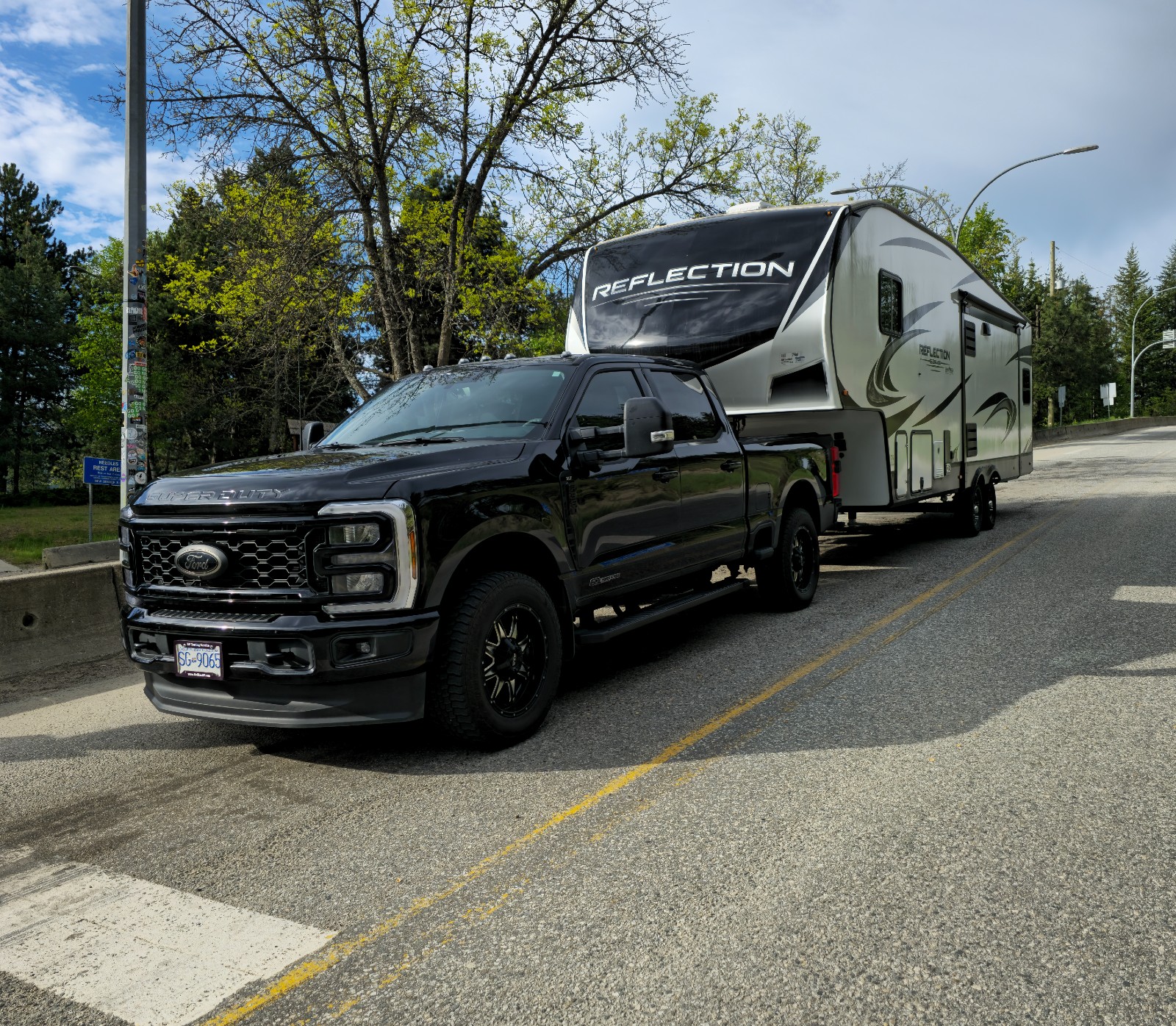
Handing over a travel trailer or 5th wheel to someone else is a trust decision, not just a scheduling decision. If you are looking for an insured rv transport service, you are really asking a bigger question – who can move your RV safely, legally, and without creating a mess if something goes wrong on the road?
That question matters even more when the unit is new, recently serviced, headed to a seasonal site, or moving a long distance. A low quote can look good at first, but insurance gaps, poor communication, or the wrong tow setup can turn a simple delivery into an expensive problem.
Why an insured RV transport service matters
Insurance is not a sales extra. It is part of basic risk management when you are moving a high-value towable RV over highways, through fuel stops, into campgrounds, onto ferries, or into tight storage yards. Travel trailers and 5th wheels are large, tall, and expensive to repair. Even minor damage to siding, trim, awnings, steps, or roof equipment can cost more than people expect.
A properly insured RV transport service gives you a level of protection if something happens during transport. Just as important, it usually tells you something about the operator behind the service. Companies that take licensing, equipment, and insurance seriously tend to approach the whole job with more discipline.
That does not mean insurance solves everything. Coverage still has limits, exclusions, and conditions. The smart move is to understand what is covered, what is not, and how the transporter handles claims, inspections, and delivery documentation.
What “insured” should actually mean
A lot of people hear “insured” and assume every possible problem is covered automatically. That is not how it works. In RV transport, the real issue is whether the operator carries the right type of insurance for the work being done and whether that coverage fits your unit and route.
At minimum, you want to know that the transporter is operating legally and carrying commercial coverage that applies to hauling towable RVs. You also want clarity on whether the policy protects against damage during transport, what deductibles may apply, and whether there are limits based on the value or type of trailer.
If your RV is headed across a longer route, through mountain driving, or onto a ferry, ask direct questions. Not every policy handles every situation the same way. Ferry loading, weather delays, road debris, and site access conditions can all affect risk.
The point is simple: an insured RV transport service should be able to explain its coverage in plain language. If the answer is vague, rushed, or full of dodging, that is a red flag.
Licensing and experience matter just as much as insurance
Insurance is only one part of the picture. The best outcome is avoiding damage in the first place, and that comes down to proper licensing, real towing experience, and equipment that matches the unit.
A travel trailer under routine highway conditions is one thing. A longer 5th wheel, a narrow access road, a steep campsite entry, or a ferry schedule adds complexity. Drivers need to understand turning radius, trailer balance, brake controller setup, hitch connection, tire checks, route planning, and site placement. They also need to know when a destination is not practical without adjustments.
This is where specialization matters. A general transporter may say yes to the job, but experience with towable RVs is what reduces problems. Backing into a seasonal lot, checking ride height, handling weight distribution, and watching roof clearance are not minor details. They are the job.
Questions worth asking before you book
A good transporter should not be bothered by practical questions. In fact, clear questions usually lead to a smoother move because both sides understand the job before pickup day.
Ask what kind of RVs they regularly move and whether they handle both travel trailers and 5th wheels. Ask how they verify dimensions, weight, hitch type, and destination access. Ask what insurance they carry and whether they can confirm coverage details before transport.
You should also ask how pickup and delivery inspections are handled. A professional process usually includes a walkaround, photos, and documentation of the RV’s condition before departure and again at delivery. That protects both sides.
Communication matters too. You want to know how updates are provided, what happens if weather or route conditions cause delays, and who you contact if there is a change in access at the destination. The smoother companies are usually the ones that think through these issues before the wheels start rolling.
The cheapest quote is not always the lowest-cost option
This is where many owners get burned. Transport pricing can vary, and there is nothing wrong with comparing quotes. But if one price comes in much lower than the others, there is usually a reason.
Maybe the operator is less experienced. Maybe the insurance is thin. Maybe the equipment is not ideal for the trailer. Maybe the service level is basic, with little communication and no meaningful inspection process. Maybe the route planning is optimistic and leaves no room for delays or destination challenges.
A more complete quote often includes things people forget to value at first – proper commercial coverage, experienced handling, route knowledge, scheduling discipline, and a realistic plan for pickup and placement. When your RV is worth tens of thousands of dollars, those things are not extras.
When insured transport makes the most sense
Some owners can tow their own trailer, but still choose professional transport because the situation is not convenient or not worth the stress. That is especially true when the move is long distance, the pickup is at a dealership, the destination is a seasonal site, or the route involves ferry coordination or difficult traffic.
It also makes sense when you do not own a heavy-duty tow vehicle, or you do not want to buy one just to move the RV a few times a year. That math gets real fast. Purchase cost, fuel, maintenance, storage, insurance, and the learning curve all add up.
A professional insured RV transport service can be the more practical option if your goal is simple: get the trailer there safely while you drive your own vehicle and avoid the hassle.
Choosing an insured RV transport service for Western routes
If your move involves British Columbia or Alberta, local route knowledge is more valuable than many first-time owners realize. Mountain grades, changing weather, ferry timing, seasonal traffic, and campground access can all affect delivery planning.
This is not about making the job sound dramatic. Most moves are straightforward when handled properly. But regional experience helps with the small decisions that keep transport on track, from choosing the right travel window to understanding how long loading, unloading, and site access will really take.
That is one reason specialized operators like GoMax RV focus on point-to-point transport rather than treating RV delivery like a side job. The work is smoother when the company understands the equipment, the roads, and the common handoff situations at homes, dealers, service centers, and campgrounds.
How to prepare your RV before pickup
Even with a professional transporter, the owner still has a role in making the move go well. The RV should be ready for travel, not just parked and waiting.
Loose items inside should be secured. Storage compartments should be latched. Tires should be in serviceable condition. Slide-outs, steps, awnings, antennas, and accessories should be properly stowed. If there are known issues with brakes, lights, suspension, or coupler components, say so before the pickup date, not when the driver arrives.
It also helps to confirm site details in advance. Gate codes, contact names, lot numbers, hours of access, and any restrictions on trailer size can save a lot of wasted time. If the destination has a steep approach, narrow lane, low branches, or soft ground, mention it early. Surprises are what cause delays.
What good service looks like from start to finish
A solid transport experience usually feels organized, not flashy. The quote is clear. The questions are specific. The pickup window is realistic. The operator knows what unit is being moved, where it is going, and what access issues may come up.
On transport day, the connection and pre-trip checks are handled carefully. Communication stays straightforward. At delivery, the RV is placed as agreed when site conditions allow, and the final handoff is documented.
That kind of process is what people are really paying for. Not just movement from point A to point B, but competent handling all the way through.
If you are comparing providers, keep your standards simple. Look for an insured RV transport service that can explain its coverage, prove it operates properly, and speak confidently about the actual logistics of your move. When the answers are clear and the process makes sense, you are usually dealing with the right kind of company.
Your RV is supposed to get you to better places. The move there should not be the hardest part.
Comments are closed