

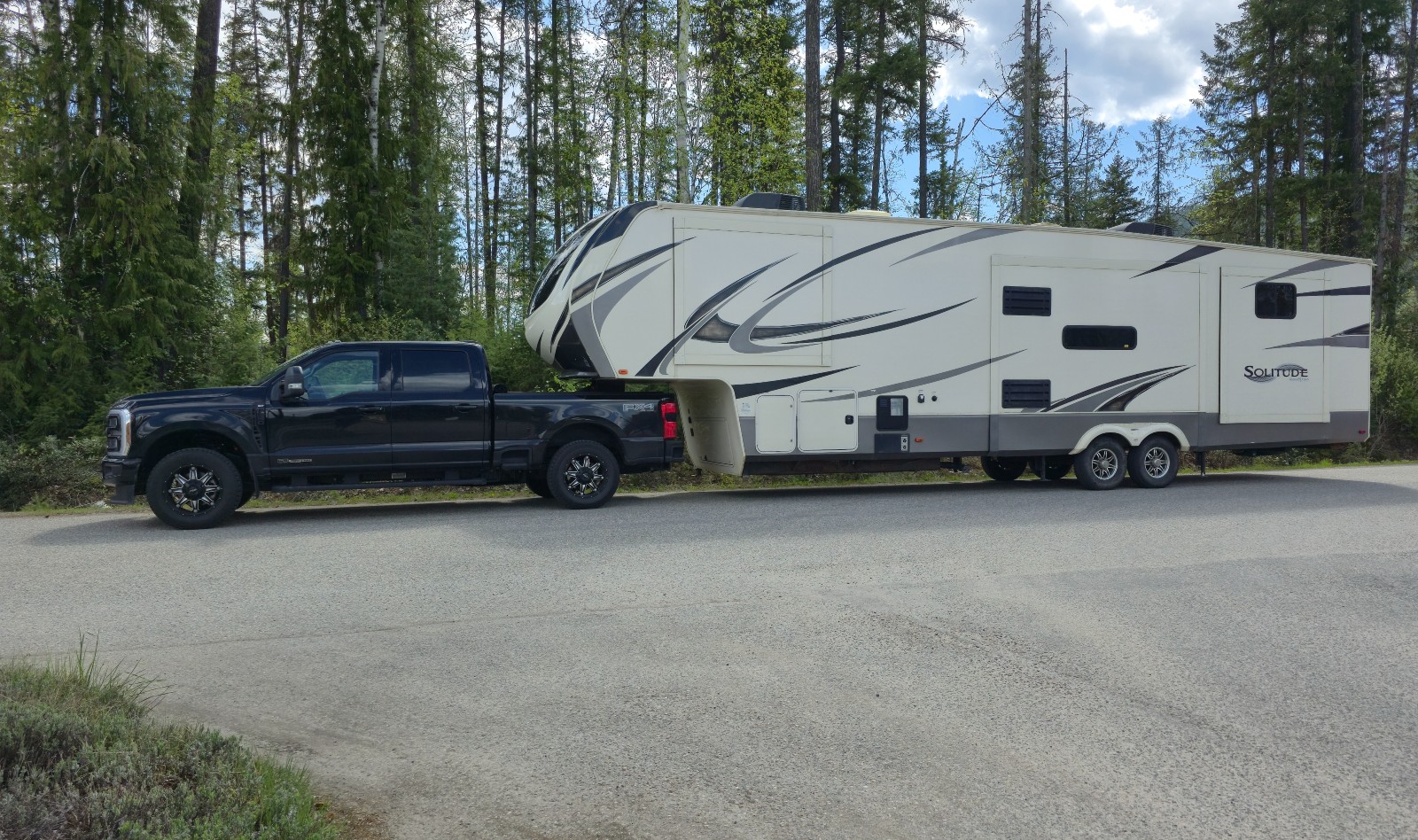
You usually know when it is time to call a licensed rv hauling company. It happens when the trailer is bought but you do not own a heavy-duty truck, when the fifth wheel needs to get to a seasonal site, or when the thought of towing through traffic, mountain grades, or a ferry lineup sounds like a bad way to spend the weekend. In those moments, professional hauling is not a luxury. It is the practical option.
A lot of RV owners start out thinking they should just handle it themselves. On paper, that can seem cheaper. In real life, buying or borrowing the right truck, learning how the unit behaves on the road, managing fuel stops, backing into tight spaces, and dealing with route restrictions can turn one move into a long, expensive headache. If the trip includes a long highway run or a ferry connection, the margin for error gets even smaller.
That is why the right hauling company matters. You are not just hiring someone with a truck. You are trusting them with a large, valuable unit that needs to arrive safely, on time, and without unnecessary wear.
What a licensed rv hauling company actually does
A licensed rv hauling company specializes in moving towable RVs such as travel trailers and fifth wheels from one point to another. That might mean dealer delivery, moving an RV from home to storage, taking it to a service appointment, relocating it to a seasonal site, or hauling it between provinces during a move.
The key word is specialized. Hauling a towable RV is not the same as moving general freight. Trailer length, height, weight distribution, hitch setup, route planning, weather, and site access all affect how the job should be handled. An operator who works with RVs regularly understands the details that newer owners often do not see until they are already on the road.
Licensing matters because it shows the company is set up to perform this kind of work legally. Insurance matters because accidents, road debris, and unexpected delays can happen even when the operator does everything right. Experience matters because road conditions, ferry schedules, and site access rarely go exactly as planned.
Why licensing and insurance are not just sales points
Anyone can say they know how to tow. That does not mean they should be hauling your RV.
A properly licensed operator has met the requirements to tow within the applicable rules for the equipment and route involved. That does not guarantee perfection, but it does separate professional hauling from someone doing favors with the wrong setup. If a company is vague about licensing, that is a problem. If they are vague about insurance, that is a bigger one.
Insurance is where many RV owners assume too much. They assume the person hauling their trailer is automatically covered for any damage, delay, or incident. Sometimes that assumption is wrong. A real hauling company should be clear about what coverage is in place and what the customer should verify on their side before the move.
That conversation may feel a little dry, but it is one of the most useful parts of the booking process. It is better to sort out paperwork and responsibilities before the trailer leaves the driveway than after something has gone wrong.
When hiring a licensed rv hauling company makes the most sense
There are some situations where professional hauling is the obvious call.
The first is a new purchase. A lot of buyers want the RV but do not want the truck payment, the learning curve, or the stress of towing a new trailer home from the dealership. Having it delivered lets you start ownership without making the trip your first test run.
The second is seasonal relocation. If your trailer stays at one site for most of the year and only moves once or twice, owning a dedicated tow vehicle often makes little financial sense. Paying for professional transport can be the cheaper and easier option.
The third is service-related transport. Getting a trailer to a repair shop, inspection appointment, or winter storage location is one of those jobs people underestimate. It still takes the right vehicle, the right hitch, and time you may not have.
Relocation is another big one. If you are moving households, you already have enough logistics to manage. Trying to coordinate a long tow on top of that can turn a difficult move into a miserable one.
What to ask before you book
A good hauling company should be able to answer practical questions without dancing around them.
Start with the basics. Ask what types of RVs they haul, what size limits they work with, and whether they regularly move travel trailers, fifth wheels, or both. Ask how they handle pickup and drop-off, what they need from you before transport day, and whether there are access issues at either end that could affect delivery.
Then ask about licensing and insurance directly. Not in a confrontational way, just plainly. You should also ask how pricing works. Some jobs are straightforward point-to-point moves. Others involve waiting time, difficult access, remote sites, or ferry coordination. Those details can change the cost, so a quote is only useful when it is based on the real job.
Communication also matters more than people think. If a company is hard to reach before you hire them, that usually does not improve after pickup. You want clear timelines, realistic expectations, and someone who tells you early if weather, traffic, or route conditions affect the schedule.
The hidden costs of doing it yourself
A lot of owners compare a hauling quote to the cost of fuel and stop there. That is not a fair comparison.
If you do it yourself, the real cost can include truck ownership or rental, hitch equipment, brake controller setup, time off work, fuel, overnight stops, route planning, and the wear that comes from towing a heavy trailer over a long distance. If you are new to towing, add the cost of mistakes. A bad turn, a rushed fuel stop, or clipping something in a tight lot can get expensive quickly.
There is also the stress factor, and that is not just about comfort. Towing fatigue is real. Long days, wind, grades, traffic, and backing into unfamiliar spaces wear people down. By the time some owners reach their destination, they are too tired to enjoy being there.
Professional hauling does not remove every cost, but it can remove a lot of risk and wasted effort.
Regional experience matters more than most people expect
Not every route is equal. A company that regularly hauls RVs in places like British Columbia and Alberta understands the practical challenges that come with mountain travel, changing weather, road conditions, and ferry scheduling. That kind of regional experience shows up in small decisions that protect your RV and keep the move on track.
It also matters at the destination. Seasonal lots, storage compounds, dealer yards, and private properties all have their own access issues. Tight turns, soft ground, narrow gates, and uneven approach angles can change how a delivery should be handled. An experienced operator plans for those details instead of figuring them out in the moment.
This is one reason specialized RV transport companies stand apart. They are used to the actual handoff, not just the highway miles.
What a smooth hauling job looks like
The best RV transport jobs are usually the least dramatic. Pickup happens on schedule. The trailer is inspected. The route is already thought through. The customer knows what to expect at delivery. If there is a delay, it is communicated early and clearly.
That kind of job does not happen by accident. It comes from preparation and from working with someone who treats hauling as a real service, not a side job.
GoMax RV built its work around that idea. For owners who need a travel trailer or fifth wheel moved without buying a bigger truck or handling the tow themselves, the value is simple: safe transport, straightforward communication, and a job done by someone who understands RV hauling as more than just getting from point A to point B.
If you are comparing options, keep it simple. Ask whether the company is licensed, insured, experienced with your type of RV, and clear about the details that affect your move. If the answers are direct, that is a good sign. If they are vague, keep looking.
Your RV does not need the cheapest ride. It needs the right one, handled by people who know what they are doing and treat the move like it matters.
Comments are closed