

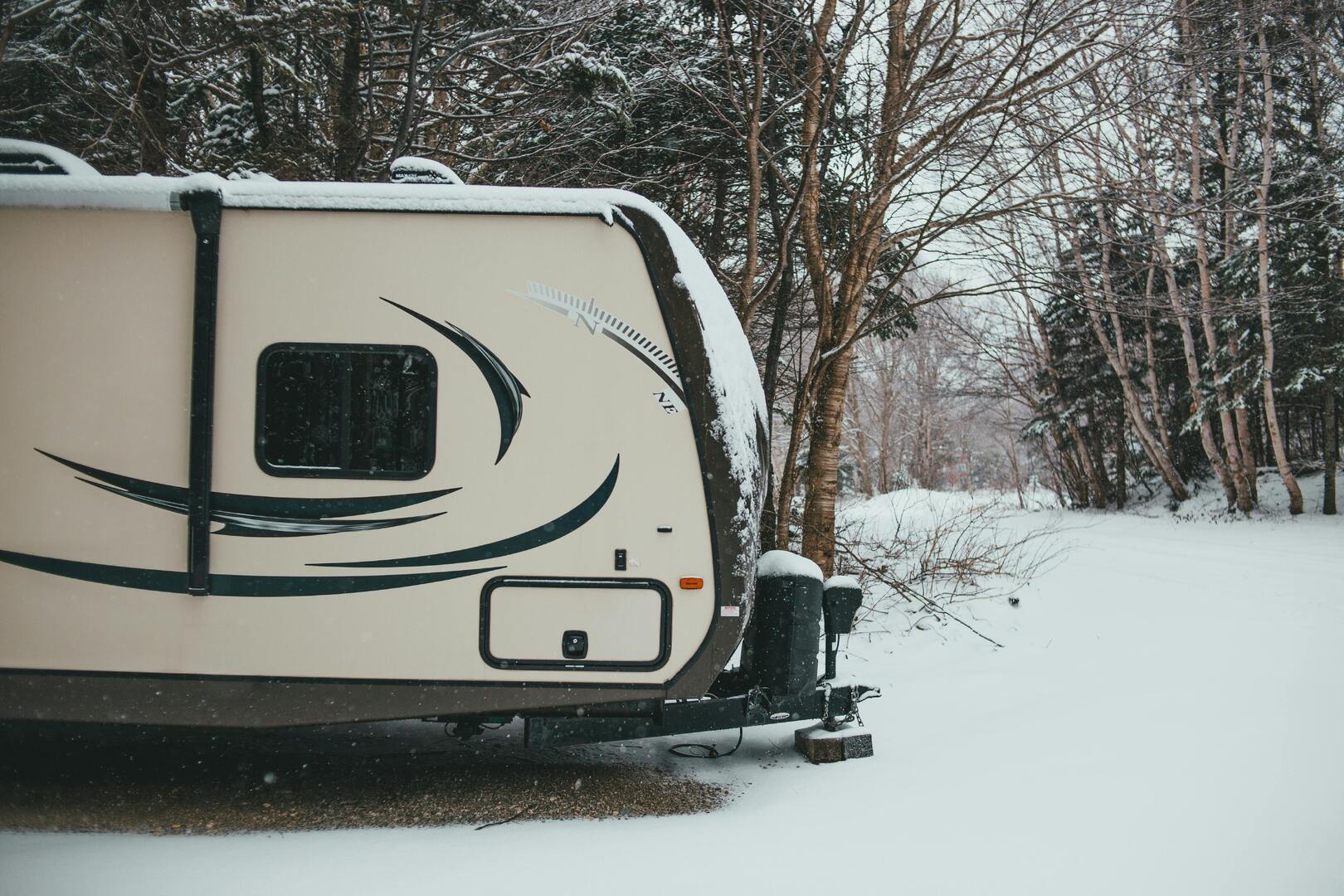
If your trailer needs to get to a shop before the first hard freeze, timing matters. A reliable rv winterizing transport service takes one more risky job off your plate and gets your unit where it needs to go without you dealing with the tow, the route, or the parking mess at the other end.
For many RV owners, winterizing is not just about draining lines and adding antifreeze. It starts earlier, with moving the trailer from a campsite, driveway, storage lot, or seasonal site to the right service location. That is where transport becomes part of the winterizing plan. If the RV is not already where it needs to be, the best winter prep checklist in the world does not help much.
Why rv winterizing transport service matters
A lot of owners wait too long because the move itself feels like the hardest part. Maybe you do not own a heavy-duty truck. Maybe you are comfortable at the campground but not on busy highways. Maybe the trailer needs to go from one location to another on a tight schedule, and you do not have the time to manage it.
That is a common situation, especially for travel trailers and 5th wheels that are used seasonally. The unit may need to leave a campground, go to a service center for winterizing, then head to storage. In other cases, it only needs one direct move to a winter storage property that handles prep onsite. Either way, the transport side has to be organized properly.
This is where professional hauling makes sense. You are not buying a truck for a once-or-twice-a-year move. You are not white-knuckling a long haul in bad weather. You are not figuring out how to back into a crowded service yard with a line behind you.
When to book winterizing transport
The best time to arrange transport is before the weather turns, not after the first cold snap. Shops fill up fast in fall. Storage yards get busy. Seasonal sites often have narrow pickup windows. If you leave it too late, you can end up with fewer appointment options and more stress trying to beat freezing temperatures.
Early booking also gives you flexibility. If your trailer needs service work beyond winterizing, such as brake checks, bearing service, or roof inspection, that can be coordinated in the same move. Combining those jobs can save time and avoid a second transport later.
There is a trade-off, though. Book too early and you may lose a few good camping weekends. Book too late and you risk weather delays or shop backlogs. For most owners, the sweet spot is when nighttime temperatures start dropping consistently but before severe conditions show up.
What a transport service should actually handle
Not every hauling company is set up for RV-specific work. That matters more than people think.
A proper rv winterizing transport service should understand trailer dimensions, hitch setup, weight distribution, route planning, and delivery logistics at both ends. It should also be clear about insurance and licensing. Those are not small details. When someone is moving a large trailer that you rely on for family trips and that represents a major investment, you want the basics handled by someone who does this regularly.
This is also where experience shows up in practical ways. Tight service lots, sloped driveways, soft seasonal sites, ferry coordination, and narrow access roads are all part of real-world RV transport. A straightforward point-to-point move can still go sideways if the operator is not prepared for the pickup or delivery conditions.
For owners in British Columbia or Alberta, this is especially relevant in the fall. Weather changes fast. Rural roads can turn wet, slick, or unpredictable. Ferry schedules and mountain routes can affect timing. A service that knows the region can usually spot those issues before they become your problem.
Common situations where transport helps most
The most obvious case is the owner who needs the trailer moved to a shop for winterizing because they do not tow it themselves. That alone covers a lot of people. Many RV owners use their trailer seasonally but have no interest in owning the truck needed to move it safely.
Another common situation is dealer or service-center coordination. If your trailer is already booked for winterizing, inspection, or repairs, professional transport closes the loop. You do not have to piece together favors from friends or rush to line up a rental truck that may or may not suit the trailer.
Then there is end-of-season relocation. Some owners want the RV moved straight from a campsite to winter storage. Others need one move to a service location and a second move after the work is done. The right setup depends on where the trailer is going, whether the storage site has access restrictions, and if the winterizing will be done onsite or offsite.
There is no one-size-fits-all answer here. Sometimes a direct move to storage is enough. Sometimes it makes more sense to route the trailer through a service center first. The right choice depends on your timeline, access at the destination, and what condition the unit is in at pickup.
How to prepare your RV for winterizing transport service
The transport itself is straightforward when the trailer is ready. A few checks ahead of time make the move faster and reduce surprises.
Make sure the pickup location is accessible and that any gate codes, lot numbers, or site instructions are clear. Remove loose items that could shift in transit. Secure doors, compartments, and interior contents. If the unit has been parked for a while, confirm the tires are in serviceable condition and the trailer can be moved safely.
It also helps to be clear about what happens after delivery. Is the shop expecting it that day? Does the storage yard have check-in instructions? Will someone be onsite to receive the unit? Those details matter more than people expect, especially during the fall rush.
If your RV has any special quirks, say so upfront. A steep driveway, low branches, unusual pin box height, limited turnaround space, or recent mechanical issue should be discussed before pickup. That is not a problem. It is just part of planning the move properly.
What to look for before you hire anyone
A low quote is not always the best quote. With RV transport, the right questions are usually more useful than the cheapest number.
Ask whether the company specializes in towable RVs and whether they regularly move travel trailers and 5th wheels. Ask about insurance and licensing. Ask how they handle route planning and timing if weather changes. If your move involves a ferry, storage compound, dealer lot, or seasonal site, ask whether they deal with those situations often.
You also want clear communication. Pickup windows, destination details, and handoff instructions should not feel vague. The best operators are usually direct. They tell you what they need, what to expect, and where the possible delays or limitations are.
That kind of straightforward service matters because winterizing season can get tight fast. You do not need sales talk. You need someone who can move the trailer safely and get it where it needs to go without turning it into a bigger project.
Why owners use a specialist instead of doing it themselves
For some people, this comes down to convenience. For others, it is more about avoiding a stressful or expensive setup that makes no sense for one seasonal move.
Buying or maintaining the right truck for occasional hauling is a big cost. So is the time involved in planning the trip, managing fuel stops, dealing with unfamiliar roads, and handling arrival at a service or storage site. Even if you are capable of towing, that does not always mean it is the best use of your time.
A specialist brings practical value because the job is routine to them. Hitching, hauling, route decisions, site access, and delivery are all part of the service. That experience tends to show up in smoother scheduling, fewer headaches, and less chance of damage caused by rushed decisions.
For owners who want a dependable option, GoMax RV fits that need by focusing specifically on towable RV transport and the real logistics that come with seasonal moves.
The best winter plan is the one you handle before weather forces your hand. If your trailer needs to get to a shop, storage yard, or seasonal destination, arranging transport early can save you from the last-minute scramble and make the whole off-season process a lot easier.
Comments are closed