

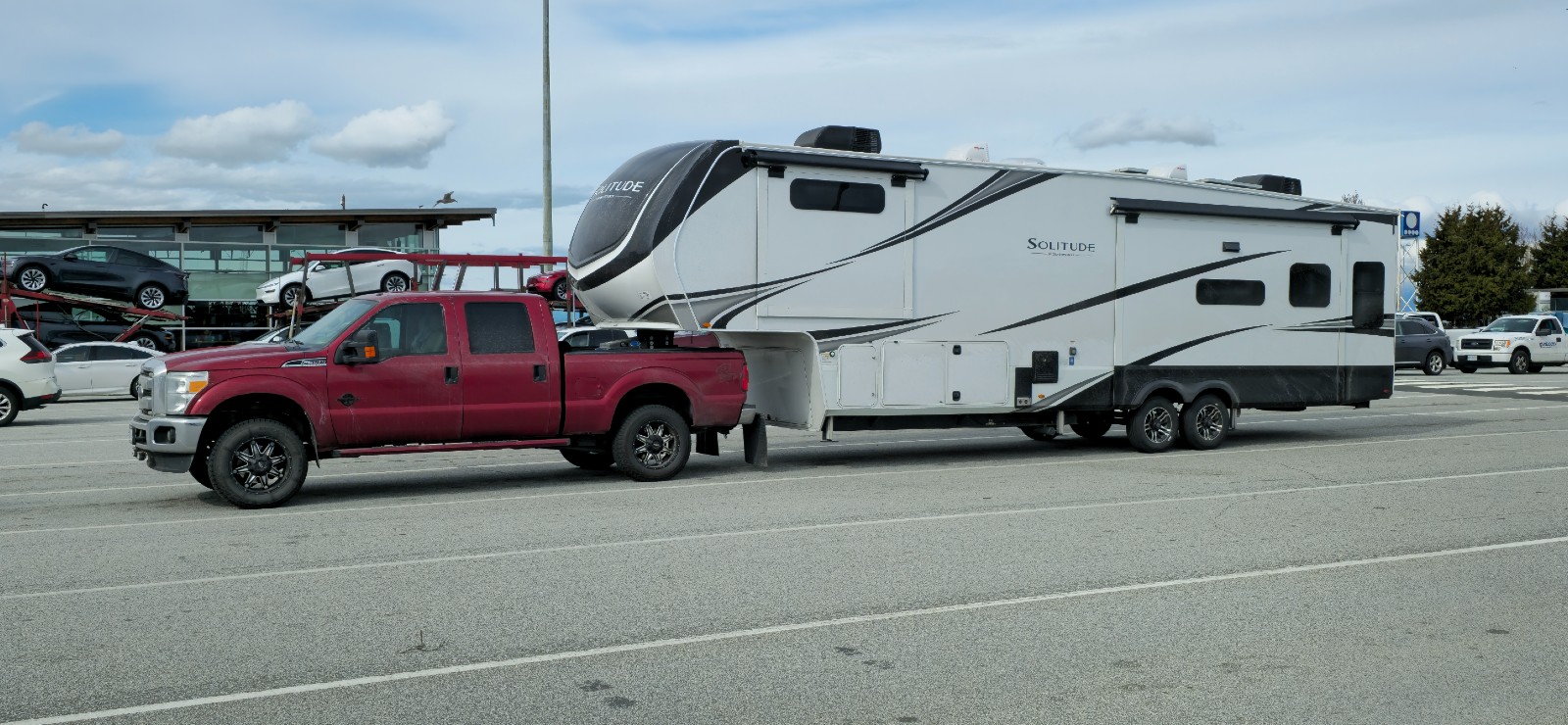
Buying the trailer was the easy part. Getting a 34-foot travel trailer from a dealer lot to your campsite, storage yard, or home driveway is where many owners realize they do not actually want to handle the tow themselves. That is exactly where a professional RV towing service earns its value – not as a luxury, but as a practical way to move your RV safely, efficiently, and without the cost and stress of doing it on your own.
For a lot of owners, the question is not whether they could tow it. The real question is whether it makes sense to. A one-time pickup, a seasonal move, a trip to the service shop, or a long-distance relocation all come with real demands. You need the right truck, the right hitch setup, the right licensing, enough towing experience, and the time to manage the trip properly. If any one of those pieces is missing, handing the job to an experienced hauler is usually the smarter call.
What a professional RV towing service actually solves
The biggest misconception is that hiring out RV transport is only for people who are nervous about towing. In reality, many customers are perfectly capable drivers. They simply do not want to invest in a heavy-duty truck for a trailer they move a few times a year, or they do not want to spend a full day dealing with route planning, fuel stops, backing into tight spaces, and setup at the destination.
A professional RV towing service solves a logistics problem. It gives you a way to own a travel trailer or 5th wheel without making towing part of your regular life. That matters if you drive a half-ton pickup that is not rated for your unit, if you prefer keeping a family SUV instead of upgrading to a larger truck, or if your route includes mountain driving, ferry coordination, urban traffic, or unfamiliar campground access.
There is also the issue of wear and tear. Towing a large RV is hard on equipment. Tires, brakes, transmissions, suspension components, and fuel costs add up fast when you are pulling a heavy trailer. If you only move your RV occasionally, ownership of a tow vehicle often makes less financial sense than people expect.
The situations where hiring out makes the most sense
New RV deliveries are one of the clearest examples. A buyer leaves the dealership excited, but the first real tow ends up being a long trip on unfamiliar roads with a brand-new unit behind them. That is not always the best time to learn trailer handling, weight balance, turning radius, and brake response. Having the RV professionally delivered to your home, lot, or campground removes that pressure and gives you time to get familiar with the unit once it is parked.
Seasonal relocations are another common reason. Many RV owners use the same seasonal site year after year. They do not need a permanent tow setup because they are not taking frequent road trips every month. They simply need the trailer moved at the start or end of the season. In that case, paying for transport as needed is often the cleanest solution.
Service appointments also make professional hauling worthwhile. If your trailer needs repairs, maintenance, warranty work, or winterizing, getting it to the right facility can be the hardest part. That is especially true when the unit is already parked in storage, when your schedule is tight, or when you would rather not take time off work to manage the move yourself.
Long-distance relocations fall into the same category. A move across the province or into another region is not just a longer version of a weekend tow. It requires route awareness, timing, fuel planning, and confidence with the trailer over many hours on the road. For owners who want the RV moved without turning the trip into a major project, professional transport is often the better fit.
Professional RV towing service vs doing it yourself
There are cases where towing your own RV is the right choice. If you travel often, already own the right truck, know your trailer well, and are comfortable with longer hauls, doing it yourself may be the most economical option over time.
But that is not the same as saying it is always cheaper trip by trip. Once you factor in the cost of a capable tow vehicle, hitch equipment, higher fuel use, maintenance, insurance, and your own time, the math changes. For occasional moves, professional hauling can be surprisingly cost-effective.
The stress factor matters too. A route that looks simple on a map can be a different story when you are towing a large RV through traffic, construction, steep grades, narrow fuel stations, or ferry terminals. Some owners enjoy that part of RV life. Others would rather meet the trailer at the destination and start using it.
That is not avoiding responsibility. It is making a practical decision based on how you actually use your RV.
What to look for before you book
Not every hauler understands towable RVs the same way. Experience with travel trailers and 5th wheels matters because these units have their own handling requirements, setup details, and transport risks. You want someone who is used to dealing with trailer length, hitching procedures, loading conditions, and destination access – not someone treating it like a generic towing job.
Licensing and insurance should be part of the conversation from the start. If you are trusting someone with a high-value trailer, you should know they are operating legally and carrying proper coverage. That is not just paperwork. It is basic protection for your equipment and for your peace of mind.
You also want clear communication about pickup and delivery. That includes where the trailer is located, whether the site has tight access, if timing is fixed, and whether special routing is involved. In places like coastal and island routes, ferry coordination can add another layer that needs to be planned properly rather than figured out on the fly.
A good operator will ask specific questions because the details matter. Trailer length, hitch type, destination conditions, and readiness for transport all affect how the move should be handled.
Why regional experience matters
Road conditions are not the same everywhere, and neither are customer needs. In Western Canada, for example, RV transport can involve mountain highways, variable weather, remote stretches between services, and ferry schedules that affect delivery timing. Regional familiarity helps because it reduces avoidable delays and bad decisions.
That does not mean every route is difficult. It means the person moving your RV should already understand the realities of the trip. The more route-specific knowledge they bring, the smoother the process usually goes.
This is one reason specialized companies stand out. GoMax RV, for example, focuses specifically on hauling towable RVs rather than trying to be everything to everyone. That kind of specialization tends to show up in how the trip is planned, how the unit is handled, and how clearly the customer is guided through the process.
How to get your RV ready for transport
Preparation does not need to be complicated, but it should be done properly. The trailer should be accessible, ready to hitch, and cleared for travel. Loose items inside should be secured, exterior compartments should be latched, and any site-specific obstacles should be flagged ahead of time.
If the RV is headed to storage, service, or a campsite, it also helps to confirm exactly where it needs to be placed and whether someone needs to be present on arrival. Small details like gate access, site numbers, and parking orientation can save time and prevent frustration.
The best moves usually feel simple because the planning was handled well before pickup day.
Hiring a professional RV towing service is not about giving up control. It is about putting the transport side of RV ownership in capable hands when the trip calls for it. If you want your trailer moved safely, on schedule, and without turning your week into a hauling project, that is a smart decision. The right service lets you spend less time worrying about the road and more time enjoying where the RV is going.
Comments are closed