

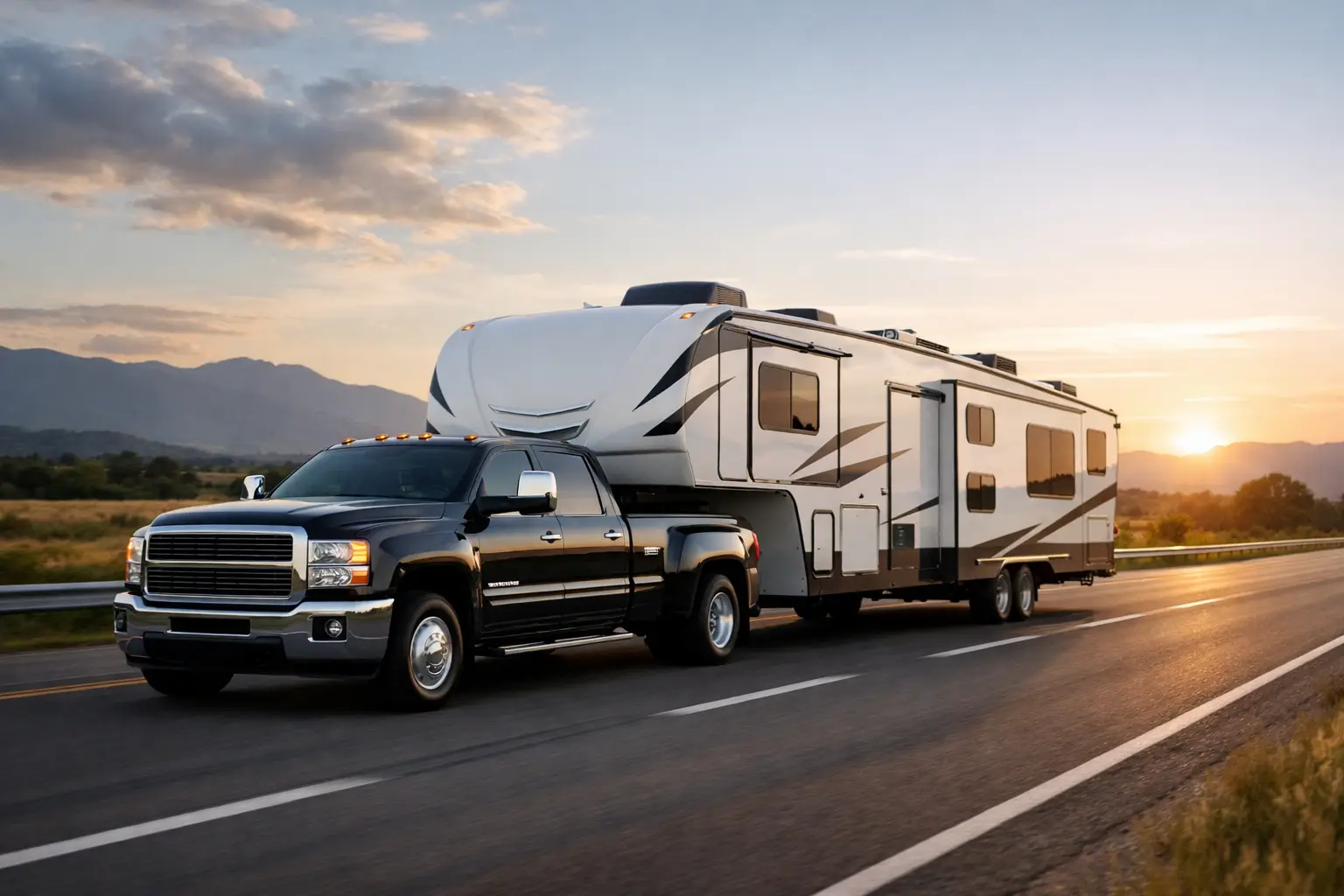
Buying a trailer should feel like the fun part. For a lot of owners, the stress starts the minute they realize the pickup location is hours away, the route includes mountain grades or ferry terminals, and their current vehicle is not built to handle the load. That is where long distance rv hauling makes practical sense. Instead of turning delivery day into a white-knuckle road trip, you hand the transport over to someone equipped to do it properly.
For many RV owners, this is not about avoiding work. It is about avoiding the wrong kind of risk. A travel trailer or 5th wheel is a major purchase, and the first trip should not be a test of whether your truck, hitch setup, schedule, and nerves can all hold together for several hundred miles.
When long distance RV hauling makes the most sense
There are a few situations where professional transport is more than a convenience. It is the smarter move.
The first is dealer pickup. Maybe you found the right unit in another city, or even another province, but getting it home is not simple. You may not own a heavy-duty tow vehicle, or you may not want your first experience with that trailer to be on unfamiliar highways. Professional hauling solves that problem without forcing you to buy a truck just to move the unit a handful of times each year.
Seasonal site moves are another common reason. A lot of owners want their trailer delivered to a campground, private lot, or long-term site in spring, then moved back in fall. That kind of haul sounds simple until you factor in tight access roads, backing into place, changing weather, and limited time on your end. A professional hauler handles the route and setup side so you can focus on using the RV once it arrives.
Service appointments also come up more often than people expect. If your trailer needs repairs, warranty work, inspections, or winter prep, moving it to and from the service location can be a hassle. If the unit is sitting in storage, on a seasonal site, or at a property that is not easy to access, arranging transport can save a full day or more.
Then there is relocation. Life changes, and sometimes the RV needs to move with you. That may mean crossing several regions, coordinating timing with a home move, or getting the trailer to a destination before you arrive. In those cases, long distance hauling is less about convenience and more about keeping the whole process manageable.
What professional hauling really saves you
People often look at hauling costs only against fuel. That is too narrow.
If you tow the RV yourself, the real cost can include truck rental or ownership, hitch equipment, brake controllers, added insurance questions, fuel stops, overnight stays, route planning, and the wear that comes from hauling a heavy trailer over long distances. If you are buying a truck mainly to move the RV a few times a year, the math gets expensive fast.
There is also the time cost. A trip that looks straightforward on a map rarely stays that way. Construction delays, steep grades, difficult refueling stops, and weather can turn a simple move into a full weekend commitment. For families, that often means using up valuable time off just to relocate the trailer.
The biggest saving, though, is stress. That matters more than some people want to admit. Towing a large RV through urban traffic, over mountain passes, or onto a ferry is not the same as driving an unloaded pickup down the freeway. Experienced hauling reduces the mental load because the driver already understands weight, balance, braking distance, route selection, and access limitations.
What to look for in a long distance RV hauling service
Not every hauling provider is set up for towable RVs, and that matters. A company that regularly moves travel trailers and 5th wheels understands the details that can make or break a haul.
Licensing and insurance should be at the top of the list. You want clear proof that the operator is properly licensed for the work and carries the right coverage. That should not be vague or assumed. If someone hesitates when you ask, keep looking.
Experience with the type and size of your unit matters just as much. A 28-foot travel trailer and a 44-foot 5th wheel are very different jobs. Ask whether the hauler regularly moves your style of RV and whether there are length or access limits. A professional should be direct about what they can and cannot take on.
Route familiarity is another factor owners overlook. Long hauls are not only about highway miles. They can include ferry bookings, remote campground access, narrow driveways, service yard delivery, and timing around destination rules. Western routes in particular can involve mountain weather, seasonal road conditions, and pickup or drop-off points that look easier on paper than they are in real life.
Communication matters too. You should know what information is needed for a quote, how scheduling works, what prep is required before pickup, and who is responsible for coordinating at the destination. Clear answers usually signal a company that does this work every day.
Preparing your trailer for hauling
A good hauling job starts before the driver arrives.
Your trailer should be ready to travel, not just ready to camp. Loose items inside should be secured. Exterior compartments should be latched. Steps, awnings, antennas, and stabilizers need to be fully stowed. Tires should be in serviceable condition, and wheel bearings, brakes, and lights should be functional. If there are known issues, say so up front. It is better to deal with that before scheduling than to discover a problem at pickup.
You will also want to confirm dimensions and weight as accurately as possible. Guessing helps no one. The overall length, model type, hitch style, and destination access details all affect how the haul is planned. If the drop-off site has sharp turns, low branches, steep grades, or soft ground, mention it early.
Timing can matter as much as trailer condition. Some sites have limited check-in windows. Some service centers only accept deliveries during business hours. Ferry routes may require booking coordination. When everyone knows the timing in advance, the move goes smoother.
Why experience matters on longer routes
Anyone can say they haul trailers. Longer routes are where real experience shows up.
An experienced operator knows how to build the trip around fuel range, traffic patterns, weather windows, and road conditions instead of just plugging the destination into a phone. They know when a route that is shorter on paper is worse for a large towable unit. They know how to inspect the trailer before departure and what to watch for during the trip.
That experience also shows at pickup and delivery. Getting a unit safely out of a dealership lot, storage yard, or tight seasonal site takes patience and skill. The same goes for placing it at the destination without rushing the job. The value is not only in the miles between those points. It is in handling the entire move without creating new problems.
For owners in British Columbia and Alberta, regional conditions add another layer. Mountain driving, coastal weather, and ferry scheduling can all affect transport plans. A hauling company that works those routes regularly is better positioned to plan around real conditions instead of ideal ones.
The right move is the one that keeps RV ownership simple
A lot of people buy an RV for flexibility, then find themselves boxed in by the logistics of moving it. They want the trailer at the campsite, seasonal lot, home, or service center, but they do not want to buy a larger truck, take on a difficult haul, or burn days getting it there. That is exactly the gap professional hauling fills.
The best long distance rv hauling service does not make the process complicated. It makes it easier to own the RV you already paid for. If the move requires licensing, insurance, route planning, ferry coordination, or a driver who knows how to handle a towable unit properly, getting a quote is usually the fastest way to turn a complicated transport into a straightforward one.
If your next move feels bigger than what you want to handle yourself, that is usually your answer.
Comments are closed