

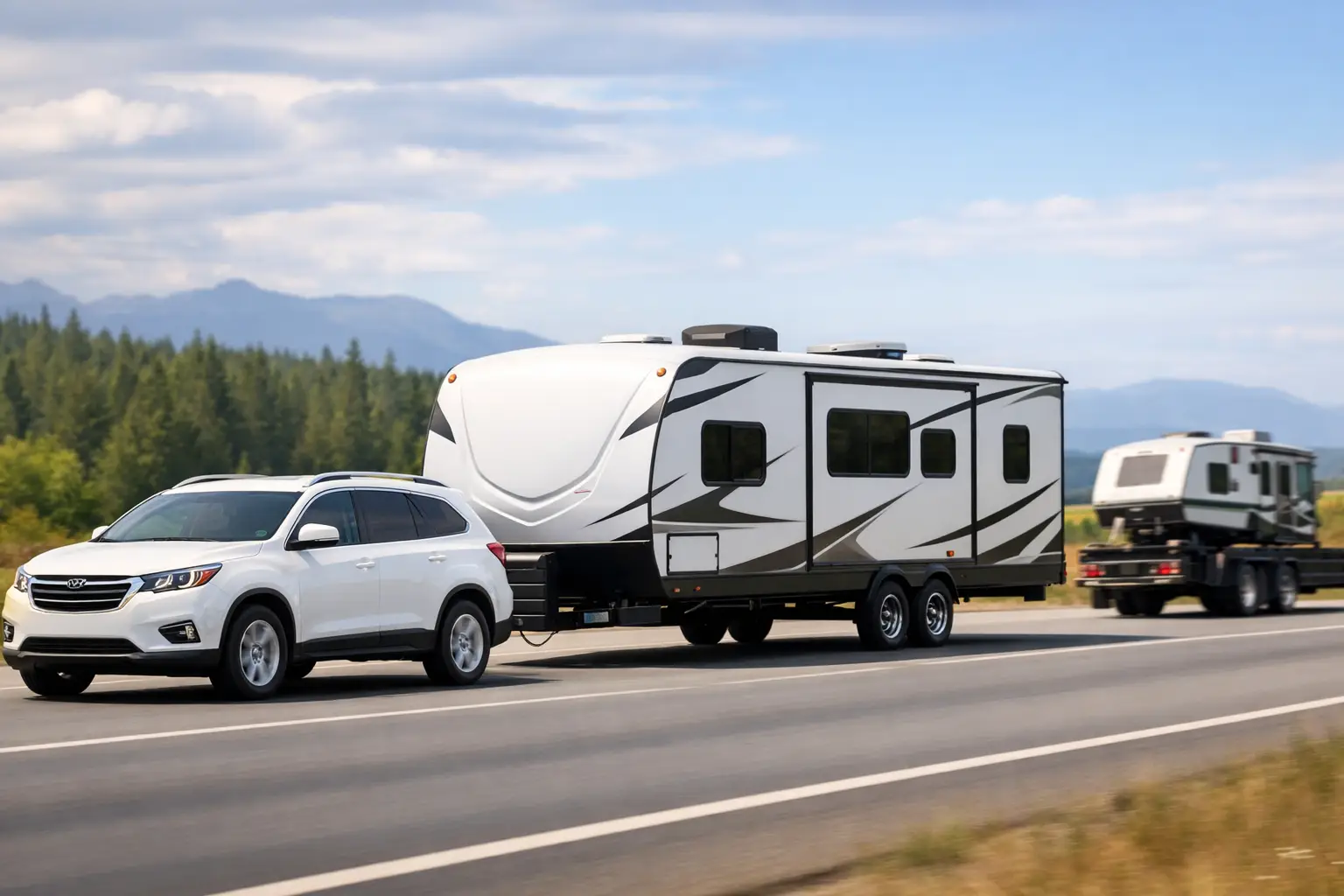
Buying a trailer and then realizing you also need a heavy-duty pickup is where the numbers start to change. For a lot of owners, rv transport without a truck is not a backup plan – it is the plan from the start. If you want the RV without the burden of owning, maintaining, fueling, and parking a tow vehicle you barely use, there are workable ways to make that happen.
The key is being realistic about what kind of RV you own, how often it needs to move, and what kind of risk you are willing to take on yourself. For most travel trailer and 5th wheel owners, the cheapest option on paper is not always the cheapest option once damage, delays, insurance gaps, and road stress enter the picture.
When rv transport without a truck makes sense
This setup makes the most sense for owners who do not plan to move their unit every weekend. If your RV is going to a seasonal site, coming from a dealership, heading to a service appointment, or moving between homes and storage, owning a large truck often does not pencil out.
That is especially true for new buyers. A lot of people want the extra space and comfort of a towable RV, but they do not want a dedicated truck sitting in the driveway year-round. Others have an SUV or family vehicle they prefer to keep driving and have no interest in learning how to handle a long trailer through mountain grades, fuel stations, ferry terminals, or tight campground roads.
There is also the simple question of confidence. Some owners can tow. They just do not want to. That is a valid reason. A long-distance move, a first delivery, or a route with difficult access is not the best time to learn by trial and error.
Your real options for RV transport without a truck
There are only a few practical ways to move a towable RV when you do not own the tow vehicle.
The first is borrowing or relying on a friend or family member with a suitable truck. That can work for a short, simple move, but it tends to look easier than it is. The truck has to be correctly rated, the hitch setup has to match the trailer, and the driver needs real towing experience. If anything is off, the savings disappear quickly.
The second is renting a capable truck. That sounds straightforward, but the details matter. Not every rental option is approved for towing, not every truck is set up for your exact trailer type, and not every driver is comfortable handling a large RV. You also need to account for mileage, fuel, deposits, extra insurance questions, and the time involved in pickup and return.
The third option is professional RV transport. For many owners, this is the cleanest solution. A licensed, insured hauler with the right equipment picks up the RV and delivers it where it needs to go. You drive your own personal vehicle, avoid the stress of towing, and skip the long-term cost of owning a truck you may only need a few times a year.
Why professional transport is often the better value
A lot of people compare a transport quote to the daily rate of a rental truck and stop there. That is usually too narrow a comparison.
The real cost of doing it yourself includes setup time, fuel, route planning, hitch compatibility, possible overnight stops, and the risk of damage from inexperience. If the RV needs to cross a ferry route, go through urban traffic, or back into a tight lot, the job gets more complicated fast. What looks cheaper at first can turn into a very expensive learning experience.
With professional transport, you are paying for more than the truck. You are paying for an operator who understands trailer balance, turning radius, route restrictions, delivery coordination, and the realities of getting a large towable unit from point A to point B without drama. That matters more than people think until they are standing at a busy fuel island wondering how to get out.
In Western Canada, that practical value shows up quickly. Mountain routes, changing weather, ferry schedules, and long-distance runs all add pressure. A professional hauler already plans around those variables.
What to check before you hire someone
If you are considering rv transport without a truck, do not make the mistake of choosing based on price alone. Ask how the RV will actually be moved and what protections are in place.
Licensing and insurance come first. If someone is hauling your travel trailer or 5th wheel for hire, that needs to be handled properly. You also want clear communication about pickup location, delivery access, timing, and any special conditions at the destination. A narrow driveway, seasonal road restriction, or ferry booking can affect the whole job.
Experience matters too. There is a difference between someone who occasionally tows and someone who routinely transports towable RVs. Length, axle setup, pin weight, site access, and weather all affect how a move should be planned. That is not theory. It is the difference between a smooth delivery and a preventable problem.
Common situations where owners use transport services
Dealer delivery is one of the most common. You buy the RV you want, but you are not ready to purchase a heavy-duty truck just to bring it home. Instead of rushing into a vehicle decision, you have the trailer delivered and deal with the rest on your own timeline.
Seasonal moves are another obvious fit. If your unit goes to the same site each spring and comes back in fall, hiring the move can be more sensible than paying year-round for a truck, insurance, maintenance, and fuel.
Service transport is also common. Sometimes the RV needs warranty work, repairs, tire service, or winterizing, and you do not want to take time off work or handle the tow yourself. Professional transport keeps that job simple.
Relocations are another big one. If you are moving households or changing provinces, there is enough to manage already. Having the RV moved separately can reduce the number of hard decisions you need to make during a busy transition.
The trade-offs you should be honest about
Professional transport is not the right fit for every owner. If you move your RV constantly, buying the right truck may still make sense over time. If you enjoy towing and have the proper equipment, doing it yourself gives you more flexibility.
But if the RV is mainly used as a destination unit, a seasonal setup, or an occasional travel trailer, ownership of a tow vehicle can become an expensive habit rather than a useful tool. That is the point many buyers miss early on.
There is also a scheduling trade-off. When you hire transport, you work within pickup and delivery windows. That is the cost of convenience. In most cases, owners are happy to make that trade because they are avoiding a much bigger commitment in truck ownership, towing stress, and route planning.
How to prepare your RV for transport
Good transport starts before the unit moves. Loose items inside should be secured. Compartments need to be latched. Tires, lights, and battery condition should be checked. If the RV has any known issues with brakes, suspension, or wheel bearings, those should be disclosed upfront.
You should also confirm the exact pickup and drop-off details. Not every location has easy access for a larger tow setup. Gates, soft ground, steep driveways, and restricted roads can all affect delivery. The more clearly those details are shared in advance, the smoother the move tends to be.
If you are arranging a first-time delivery from a dealership, make sure paperwork, keys, and contact information are all lined up before transport day. Small delays at pickup can turn into larger timing issues later.
The practical bottom line
RV ownership does not have to include owning a truck. For many people, that is the smartest part of the plan. You still get the trailer you want, but you avoid tying up money in a vehicle that serves one purpose a handful of times a year.
That is why services like GoMax RV exist in the first place. Owners want the freedom of a travel trailer or 5th wheel without taking on the towing job themselves. When the move is handled by someone with the right equipment, licensing, insurance, and experience, the whole process gets simpler.
If you are weighing your options, think beyond the hitch. Think about your time, your comfort level, your route, and how often the RV really needs to move. The right answer is usually the one that makes ownership easier, not harder.
Comments are closed