

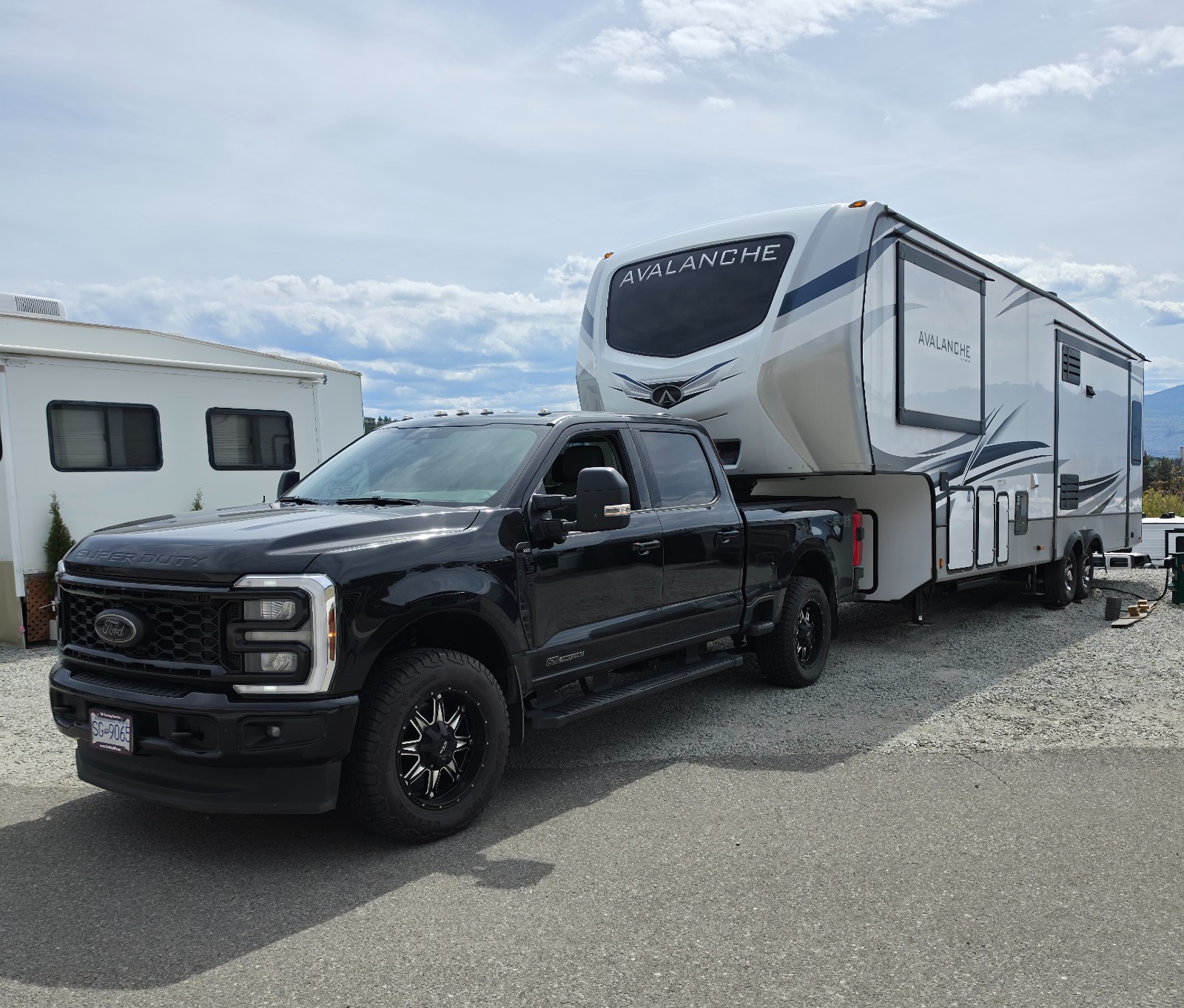
Handing over the keys to a travel trailer or fifth wheel is a big decision. Knowing how to choose an RV transport company comes down to more than finding a low quote and an available date. You need a hauler that understands your type of RV, has the right coverage and equipment, and can explain exactly how the move will be handled from pickup to delivery.
For many owners, professional transport makes RV ownership easier. You can buy from a dealer, move to a seasonal site, send your unit for service, or relocate without buying a heavy-duty truck or spending a long day managing unfamiliar roads. But the company you hire should be qualified for the job, not simply willing to take it.
Start With Experience in Towable RVs
A transport provider should work regularly with travel trailers and fifth wheels, not treat them as an occasional side job. These units have different hitching requirements, weight considerations, turning limits, brake systems, and clearance concerns. A fifth wheel also requires compatible hitch equipment and an operator who knows how to inspect the connection before leaving.
Ask what types and sizes of RVs the company transports most often. The answer should be specific. A professional should be able to discuss trailer length, approximate loaded weight, hitch type, axle condition, and whether the route creates any concerns for your particular unit.
Experience matters most when conditions are not ideal. Tight campground access, steep grades, ferry schedules, construction zones, fuel stops, and urban delivery locations all require planning. An experienced operator does not promise that every move is effortless. They identify possible issues early and make a plan around them.
Verify Licensing and Insurance Before You Book
Do not assume a transport company has the commercial coverage needed to move your RV. Ask directly about licensing, liability insurance, and cargo coverage. Then ask what their policy covers if the RV is damaged while in their care.
Your own RV policy may provide some protection, but it should not be your only safeguard. Coverage varies by insurer and policy type, especially when a third party is transporting the unit. Confirm the details with both your insurer and the hauler before the pickup date.
A reputable company will not be vague when you ask for proof of insurance or an explanation of its operating credentials. You do not need to become an insurance expert, but you should know who is responsible, what coverage applies, and how a claim would be handled if something goes wrong.
Ask How They Match Equipment to Your RV
The right truck and hitch setup are part of safe transport. The company should evaluate your trailer’s length, gross vehicle weight rating, tongue weight or pin weight, and hitch configuration before confirming the job. This is particularly important with larger fifth wheels, where proper equipment and weight capacity are non-negotiable.
A careful operator will also ask about the RV’s current condition. Are the tires properly inflated and in good shape? Do the brakes and lights work? Is the breakaway cable present? Has the landing gear been tested on a fifth wheel? These details are not unnecessary paperwork. They help prevent a preventable delay or breakdown on the road.
If your trailer has aftermarket accessories, tell the company. Bike racks, rear cargo carriers, solar panels, rooftop air conditioners, and tall antennas can affect clearance, length, or route planning. The more accurate information you provide up front, the more accurate the quote and delivery plan will be.
Compare Quotes by Scope, Not Just Price
A low price can look attractive until you find out it does not include the full route, pickup timing, delivery positioning, ferry costs, or required coordination. Compare quotes based on what is actually included.
Before accepting a quote, get clear answers on the following:
- Whether the price includes fuel, tolls, ferry charges, and other route-related costs
- The expected pickup and delivery window, rather than an unrealistic guaranteed time
- Whether the quoted price changes if access is difficult or the RV information is inaccurate
- What happens if weather, ferry delays, road closures, or mechanical issues affect the schedule
- Whether the company can place the RV on your site or only deliver it to a nearby accessible point
The cheapest option is not always the most affordable once last-minute charges, poor communication, or avoidable delays enter the picture. A fair quote from a properly insured, experienced RV transporter is usually better value than a bargain price with unanswered questions.
Make Sure the Route Fits the Job
Route planning is more than selecting the fastest highway. Long trailers and fifth wheels need room for turns, safe fuel stops, overhead clearance, and access at both ends of the trip. A delivery to a storage lot may be straightforward, while a delivery to a wooded seasonal site may require careful coordination.
This matters throughout British Columbia and Alberta, where mountain grades, changing weather, remote highways, and campground access can affect a move. If your RV is going to or from Vancouver Island, ask how ferry travel is handled. Ferry reservations, sailing times, vehicle dimensions, and terminal procedures should be considered before the transport date, not on the day of pickup.
Provide the exact pickup and destination addresses, along with photos or notes about gates, narrow roads, low branches, slopes, and parking restrictions. If there is a site manager, dealer representative, or family member who needs to be present, share that contact information in advance.
Look for Clear Communication and Realistic Timing
A professional transport company should be easy to reach and direct about the process. You should know who is handling your move, what information they need from you, and when you can expect updates.
Be cautious with anyone who gives a firm delivery promise without asking about the RV, route, access, or season. Road conditions, traffic, ferry schedules, and weather can change. Good communication does not mean pretending delays never happen. It means letting you know promptly when a schedule changes and explaining the next step.
For dealership pickups, confirm whether the RV will be ready before the driver arrives. The dealer should complete any agreed inspection, ensure the paperwork is in order, and provide any keys, remotes, or site-specific instructions. For service-center deliveries, verify receiving hours and whether the facility can accept the RV on your behalf.
Know What You Need to Do Before Pickup
The transport company handles the move, but owners still have a role in preparing the RV. Remove loose items, secure cabinet doors, retract steps and awnings, close roof vents, and make sure exterior storage compartments are latched. Empty tanks when practical, especially if the trip is long or the unit is already near its weight limit.
Take clear photos of the RV before pickup, including each side, the roofline where visible, the hitch area, wheels, and any existing marks. This creates a useful record and helps everyone start with the same understanding of the RV’s condition.
If you have a fifth wheel, make sure the front storage area is accessible and the landing gear can be operated. For any trailer, provide keys and confirm that wheel chocks, leveling blocks, and personal equipment are packed away. A prepared RV helps the driver leave on time and arrive without surprises.
Choose the Company That Answers the Hard Questions
The best RV transport company is not necessarily the one with the flashiest ad or the lowest number on the first quote. Choose the one that asks informed questions, explains its insurance and process clearly, uses suitable equipment, and treats your RV like the valuable asset it is.
For a dealer delivery, a seasonal relocation, or a service appointment, the right hauler gives you the freedom to meet your RV at its destination instead of managing the entire trip yourself. GoMax RV focuses on professional transport for travel trailers and fifth wheels, with practical planning for Western Canadian routes. Start by sharing your RV details, the two locations, and any access concerns – a clear quote should follow from a clear plan.
Comments are closed