

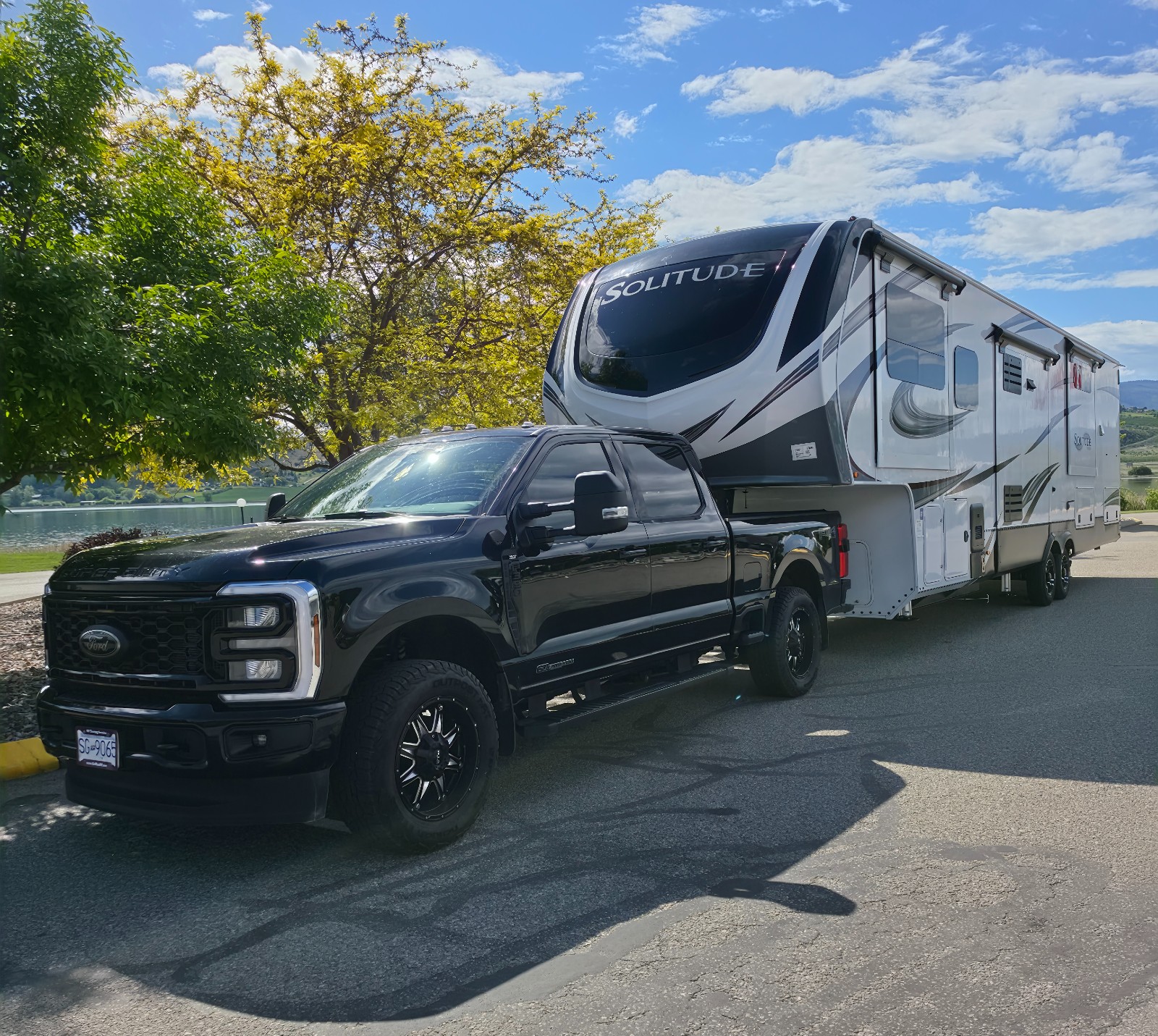
A travel trailer or 5th wheel can represent a major investment, and handing it over for transport should never come down to a vague assurance that it is “covered.” Camper transport insurance requirements involve more than one policy, more than one party, and a few details that need to be clear before the unit leaves your driveway, dealership, storage lot, or seasonal site.
For owners, the goal is simple: know who is responsible for what while the RV is in transit, understand where your own coverage applies, and work with a professional carrier that can show appropriate insurance and licensing. That preparation takes a few minutes. Sorting out a claim after a problem takes much longer.
Why Transport Insurance Is Not One Simple Policy
When a camper is moved by a professional hauler, there are usually two separate insurance considerations. The transport company needs commercial coverage for its operations, while the RV owner should maintain insurance on the RV itself. One does not automatically replace the other.
A professional transport operator may carry commercial liability coverage, cargo coverage, and coverage related to the tow vehicle and business operations. These policies are designed to address risks created by the carrier’s work. Your personal RV insurance policy, meanwhile, may provide physical-damage coverage for the trailer or 5th wheel, subject to its terms, deductibles, limits, and exclusions.
The exact division of responsibility depends on the policies and the circumstances of a loss. For example, a collision caused by the transport operator may be handled differently than damage from a pre-existing mechanical issue, a tire failure, a severe weather event, or an unsecured item inside the RV. Never assume that “fully insured” means every possible loss is covered without conditions.
Camper Transport Insurance Requirements to Confirm
Before booking transport, ask direct questions and get the answers in writing as part of the service agreement or booking confirmation. A capable carrier should be comfortable discussing its insurance, operating authority, equipment, and process.
Start by confirming that the hauler has commercial liability insurance appropriate to the work being performed. Liability coverage matters if the carrier’s operation causes injury or property damage to others. It is a basic sign that you are dealing with a legitimate professional operation rather than an informal arrangement.
Next, ask about cargo coverage. In a camper transport job, cargo coverage is often the policy owners are most interested in because the travel trailer or 5th wheel is the asset being moved. Ask whether the RV is covered while in transit, what the coverage limit is, and whether that limit is sufficient for your unit’s value. A policy limit that is well below the replacement value of your RV can leave a serious gap.
You should also ask whether any deductibles apply and who is responsible for them if a covered claim occurs. The answer may vary by contract and by the nature of the incident. Knowing this before the move is far better than finding out after damage has occurred.
Finally, confirm that the carrier is properly licensed for the size and type of RV being transported. Insurance and licensing go together. An operator who understands weight ratings, hitch systems, brake controllers, axle loading, route restrictions, and commercial transport obligations is better positioned to move your unit safely.
Review Your Own RV Policy Before Pickup
Even when you hire an insured transport company, call your own RV insurer before the move. Tell them that a professional carrier will be transporting your travel trailer or 5th wheel and ask how your policy responds while it is being hauled by someone else.
The most useful questions are practical ones. Does your physical-damage coverage remain active during professional transport? Are collision, comprehensive, theft, vandalism, fire, and weather damage included? Does the policy cover the unit during loading, unloading, temporary stops, ferry crossings, or overnight storage if those are part of the route?
Also ask whether there are restrictions based on the person hauling the RV, the distance traveled, or the destination province. Some policies use specific wording for transport by a third party. Others may have conditions related to seasonal use, storage status, or the trailer being vacant. Your insurer can explain the policy you actually purchased, which is more useful than relying on general advice online.
Keep a record of the conversation, including the representative’s name, the date, and any reference number provided. If the insurer gives guidance by email, save it with your transport documents.
Value, Condition, and Documentation Matter
Insurance works best when the RV’s condition and value are easy to establish. Before the scheduled pickup, take clear, time-stamped photos and video of the exterior, roofline where practical, hitch area, wheels, tires, slide-outs, windows, awnings, and any existing marks. Photograph the interior as well, especially if it contains fixed upgrades or higher-value equipment.
This is not about expecting trouble. It is a sensible handoff procedure for an asset that may travel hundreds of miles. A condition report gives both the owner and carrier a shared starting point.
If your RV has aftermarket equipment, document it. Solar panels, generators, upgraded batteries, suspension modifications, specialty hitches, electronics, and custom accessories can affect value and may not be fully reflected in a standard policy valuation. Keep receipts, appraisals, and recent service records where you can find them.
For a newer unit being collected from a dealership, inspect it before transport begins if possible. Note any delivery damage, incomplete work, loose trim, open service items, or concerns about tires and brakes. Transport insurance is not intended to resolve problems that existed before the hauler arrived.
Prepare the RV So Coverage Is Not the Only Safeguard
A well-prepared RV reduces risk on the road and makes the transport process smoother. The carrier can handle the hauling work, but owners and dealers should make sure the unit is ready to travel.
Remove or secure loose belongings inside. Latch cabinet doors, secure appliances, retract steps and awnings, close roof vents, lock exterior compartments, and make sure slide-outs are fully retracted. Check that propane cylinders are secured and that the RV is not loaded beyond its allowable weight. If a battery disconnect is available, follow the manufacturer’s guidance and the carrier’s instructions.
Mechanical readiness matters too. Tires should be in safe condition and properly inflated. Wheel bearings, brakes, breakaway systems, lights, coupler components, and the emergency cable should be serviceable. A professional hauler can identify concerns during pickup, but a unit with known safety or maintenance issues may need repair before it can be moved responsibly.
For longer routes in British Columbia or Alberta, preparation can be especially relevant when mountain grades, changing weather, road construction, or ferry schedules are involved. A carrier may adjust timing or routing for safe travel conditions. That is not a lack of efficiency. It is experienced judgment protecting the RV, the operator, and everyone sharing the road.
Understand the Limits of a Carrier’s Responsibility
Professional transport coverage is a key protection, but it does not make every condition insurable. Normal wear, hidden defects, water intrusion from an existing seal failure, mechanical breakdown, and damage caused by loose personal items may fall outside a carrier’s responsibility. Policy wording and the facts of the situation decide the outcome.
This is why accurate disclosure matters when requesting a quote. Tell the transport company the RV’s make, model, length, approximate weight, pickup and destination details, hitch type, condition, and any known concerns. Mention low-clearance entrances, tight campsites, steep driveways, restricted access, or a ferry requirement early. Those details help the carrier plan the right equipment, route, timing, and price.
If the RV is unusually valuable, recently modified, or difficult to replace, consider whether your own policy limits are adequate before the move. Raising coverage or adding an endorsement may be worth discussing with your insurer. The right decision depends on your unit’s value, your deductible, and how much financial risk you are willing to carry yourself.
What a Professional Transport Process Should Look Like
Insurance is one part of a professional process, not the whole process. You should expect clear pickup and delivery information, a realistic schedule, a knowledgeable discussion of the RV’s condition, and communication if weather, route restrictions, or access issues affect the plan.
At GoMax RV, the focus is on moving towable RVs with the practical planning these jobs require. That means looking beyond the map distance to consider the trailer, the route, the pickup location, destination access, and the paperwork that helps protect everyone involved.
Before your next move, gather your policy information, photograph the RV, confirm the carrier’s coverage, and be upfront about the details of the trip. A clear conversation before pickup is one of the best ways to start your RV’s journey with confidence.
Comments are closed