

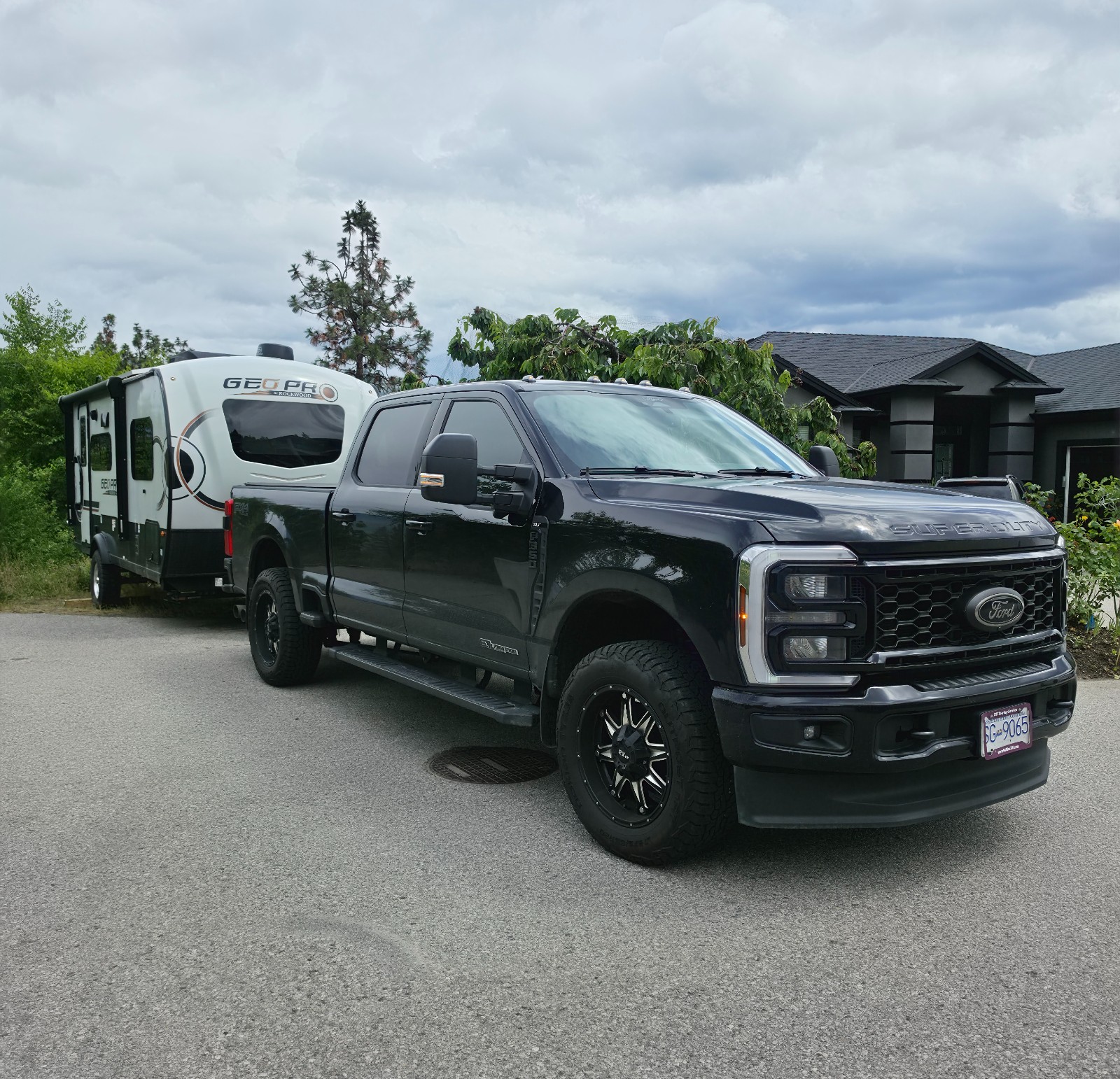
You found the right travel trailer or 5th wheel. Maybe it is waiting at a dealership, maybe it needs to get to a seasonal lot, or maybe it is due at a service center before the next trip. The part that can stop the plan cold is getting it there. Professional RV delivery gives owners a practical way to move a towable RV without buying, maintaining, and operating a heavy-duty pickup for a job they may only need done once or twice a year.
For many owners, this is not about avoiding the road. It is about avoiding a difficult, high-stakes towing day. A large trailer changes how you plan fuel stops, lane changes, parking, grades, ferry reservations, and the final approach into a campground or storage site. Having an experienced transporter handle that work lets you meet your RV at the destination ready to set up.
RV Delivery Is More Than a Long-Distance Tow
A professional transport job starts well before the trailer rolls. The transporter needs the RV’s make, model, length, hitch type, approximate loaded weight, pickup location, destination, and timing requirements. Those details determine whether the route works, what equipment is needed, and whether special site access or ferry coordination needs to be considered.
Travel trailers and 5th wheels have different hitch systems, weight distribution needs, turning characteristics, and clearance concerns. The route that is fine for a smaller trailer may not be the right choice for a longer fifth wheel. This is where specialized experience matters. It is not simply a matter of hooking up and heading out.
A proper RV delivery service also means clear responsibility while your unit is in transit. Ask how the operator is licensed, what insurance coverage is in place, and whether the business regularly moves towable RVs. These are basic questions, but they are worth asking before handing over a major investment.
When Hiring a Transporter Is the Practical Choice
The most obvious situation is a dealership purchase. A new RV buyer may have a capable SUV for daily life but no interest in purchasing a heavy-duty truck solely to bring a trailer home. Delivery from the dealership to your driveway, storage compound, or campsite gets the unit where it needs to be without making the pickup day more complicated than it needs to be.
Seasonal moves are another common reason. Many owners keep their RV at a lake lot, resort, or long-term campground for part of the year, then move it for winter storage or to a different site. The trailer may sit in one place for months, which makes owning a dedicated tow rig hard to justify. A scheduled transport lets you move on your schedule without arranging borrowed equipment or taking time off to make a demanding trip yourself.
Service-related moves can be just as useful. A trailer may need brake work, roof repairs, appliance service, winterizing, or warranty attention at a shop that is not close to home. If the RV is not road-ready for a long trip or you simply do not want to tow it through busy traffic, professional delivery removes one more problem from an already inconvenient repair situation.
Relocations also make sense. Moving between communities or provinces comes with enough logistics. Adding a large trailer to the drive can turn a straightforward move into a multi-day operation. Transport allows you to travel in your own vehicle, carry what you need, and arrive without managing the trailer throughout the trip.
The Cost Comparison Is Not Just About Fuel
Owners sometimes compare the price of RV delivery only against the fuel required to do the trip themselves. That misses the bigger picture. If you do not already own a suitable pickup, the real cost can include financing, insurance, maintenance, tires, registration, and depreciation. Even renting the right equipment can involve availability issues, unfamiliar controls, mileage charges, and restrictions on what can be hauled.
There is also the cost of time. A long hauling day requires conservative planning. Fuel stations need enough room to enter and exit. Rest stops need space. Weather can slow the route, and an awkward campground entrance at the end of the day can be more stressful than the highway miles.
That does not mean professional transport is always the least expensive option. If you already own the right setup, tow regularly, and are comfortable with the route, doing it yourself may be the better fit. But for occasional moves, first-time owners, long routes, or difficult destinations, paying for specialized transport can be the more efficient decision.
What Affects an RV Delivery Quote
A reliable quote is based on real job details, not just the distance between two points. RV length and type matter, as do the pickup and drop-off conditions. A paved dealership lot with room to maneuver is different from a narrow rural driveway, a sloped storage yard, or a seasonal site with tight turns.
Timing can affect the plan as well. Some destinations have check-in windows, gate codes, seasonal road restrictions, or limited access hours. Ferry routes require advance coordination and may add scheduling considerations, particularly for deliveries to and from Vancouver Island. Weather, mountain routes, and regional road conditions can also influence the safest pickup and delivery window.
To get an accurate quote quickly, have the RV year, make, model, overall length, and hitch type ready. Share the exact pickup and destination addresses, along with any relevant details about access, campground rules, storage-yard hours, or whether the unit is currently connected to utilities. A few good details at the start prevent surprises later.
Preparing Your Trailer for Transport
The owner still has an important role before pickup. Remove loose items from counters, tables, and exterior storage compartments. Secure doors, windows, awnings, steps, and slide-outs. Disconnect power, water, sewer, and any other site connections. Check that personal belongings are stored safely, since road movement can shift items even inside a well-built RV.
It is also smart to walk around the unit before transport and take clear photos of its current condition. This is a sensible habit with any valuable equipment being moved. Make sure keys, registration documents if required, access instructions, and contact numbers are available to the transporter.
If the trailer has a known issue, say so upfront. A weak battery, low tire pressure, damaged jack, unusual hitch setup, or limited access at either end of the route can affect the plan. Straight information helps the job go smoothly and gives the operator time to address the right concerns before arrival.
Delivery to Seasonal Sites and Island Destinations
The final few miles are often the most technical part of an RV move. Campgrounds and seasonal properties may have narrow lanes, sharp turns, low branches, soft ground, or limited room to position the trailer. A professional who routinely works with towable RVs knows that arriving at the gate is not the same as completing the job.
For Vancouver Island deliveries, ferry timing is part of the operation, not an afterthought. Trailer dimensions, sailing availability, terminal procedures, and the timing of the destination all need to line up. Planning this in advance helps avoid rushed decisions and unnecessary delays.
GoMax RV handles travel trailer and 5th wheel transport for owners who want a clear, practical alternative to doing the haul themselves. With more than 20 years of personal towing experience, the focus is on getting the unit from pickup to destination safely, efficiently, and with the right planning behind it.
When your RV needs to move, the best next step is simple: gather the trailer details, confirm both locations, and request a quote early. That gives you time to schedule the route properly and focus on what the RV is for in the first place – getting out to enjoy it.
Comments are closed