

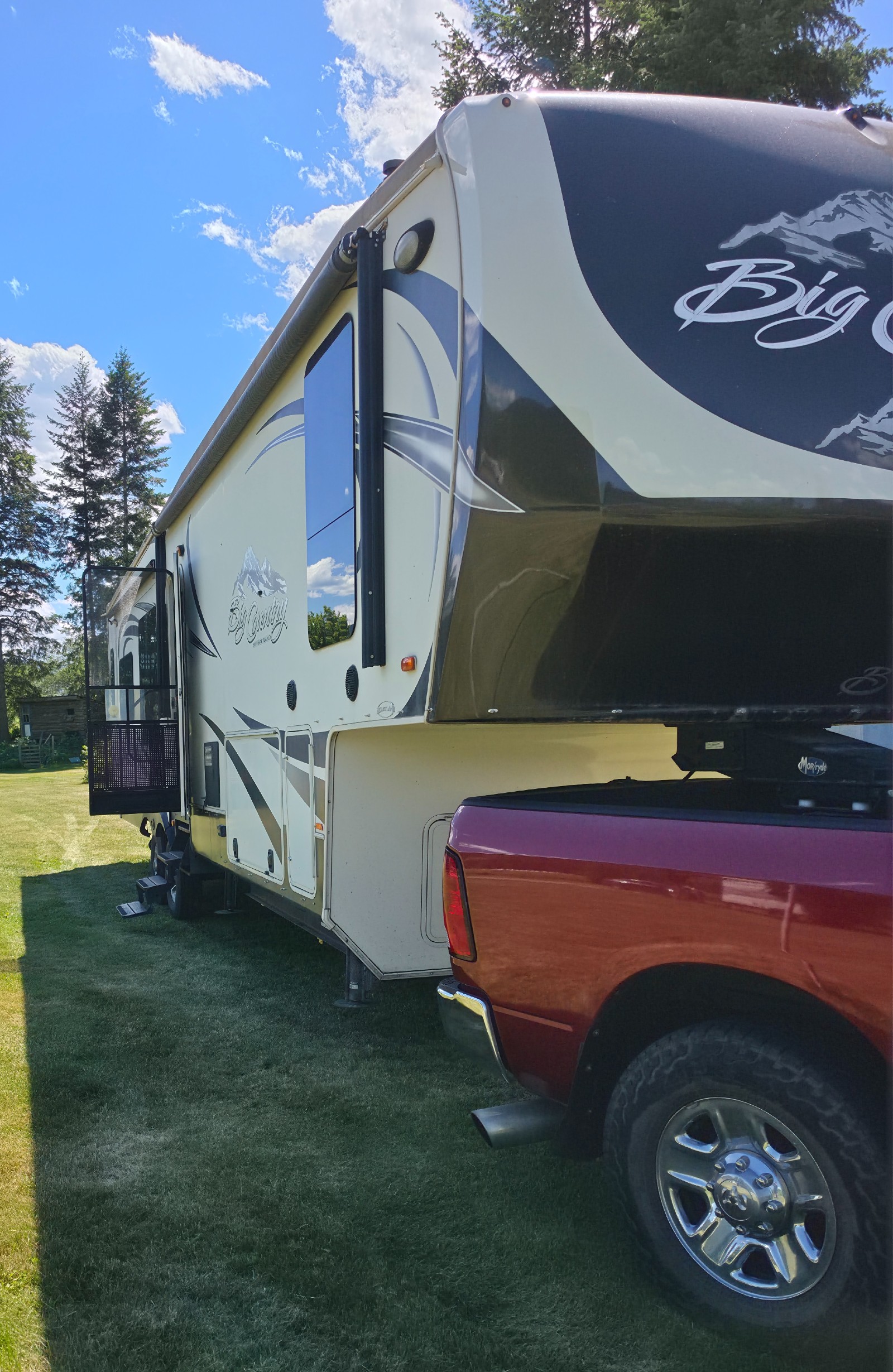
A fifth wheel is easy to enjoy once it is parked where you want it. Getting it there is another matter. The fifth wheel delivery process takes the burden of heavy-duty hauling, route planning, tight turns, fuel stops, and arrival setup off your plate so you can meet your RV at its destination ready to use.
For many owners, professional delivery makes sense from the moment they buy. You may have a capable SUV for family travel but no need to own, insure, maintain, and park a large pickup truck for a few moves each year. Or your fifth wheel may need to go from a dealer to a seasonal site, from storage to a service appointment, or across provinces during a move. In each case, the job starts well before the trailer rolls.
The Fifth Wheel Delivery Process Starts With the Right Details
A reliable delivery quote depends on accurate information. Length, make, model, pickup location, destination, and preferred dates are the basics, but access matters just as much. A 36-foot fifth wheel at a wide-open dealership lot is a different job than a unit backed into a treed seasonal site with a narrow gravel lane.
Before scheduling, the transport provider should understand where the RV is parked, whether it can be easily hitched, and what conditions exist at the destination. Low branches, sharp corners, soft ground, steep grades, locked gates, construction zones, and restricted campground hours can all affect the plan. Clear photos or a short video of difficult access points can prevent surprises on delivery day.
For routes involving Vancouver Island, ferry timing needs to be part of the quote and schedule. A fifth wheel takes more planning than a standard passenger vehicle reservation, particularly during busy travel periods. Ferry costs, sailing availability, terminal check-in requirements, and potential weather delays should be addressed upfront rather than treated as an afterthought.
Information to have ready for a quote
Having the following details available speeds up the process and helps establish an accurate price:
- RV year, make, model, and overall length
- Pickup and delivery addresses, including site or lot numbers
- Preferred pickup and arrival dates
- Contact names and phone numbers at both locations
- Access notes, gate codes, ferry requirements, or site restrictions
- Whether the unit is empty, loaded, winterized, or currently at a service center
A professional hauler may also ask about the fifth wheel hitch type, pin box condition, tire age, and brake controller compatibility. These are not unnecessary questions. They are part of confirming that the unit can be moved safely and legally.
Pickup Day: Inspection, Connection, and Load Check
On pickup day, the driver begins with a practical walk-around. The goal is to document the RV’s visible condition and identify anything that needs attention before travel. This may include checking exterior panels, windows, lights, tires, wheel bearings, landing gear, breakaway cable, safety systems, and the pin box connection.
The owner or dealer should make sure personal items are secured inside. Cabinet doors, refrigerator doors, televisions, loose cookware, and anything stored in the shower or on counters can shift over a long route. Exterior storage compartments should be latched, steps retracted, awnings secured, antennas lowered, and slide-outs fully in.
Weight distribution matters too. Fifth wheels are built to carry gear, but they still need to remain within their rated limits. Overloaded rear storage, water tanks filled without need, or heavy cargo piled high can change how the unit handles. If the RV is headed for service or long-term storage, removing unnecessary weight is usually the smart move.
Once connected, the driver checks the trailer brakes, running lights, turn signals, and brake lights before leaving. Landing gear is raised and secured, the hitch connection is confirmed, and the route begins only after the equipment is operating properly. This is where experience counts. A smooth-looking hookup is not enough if a light circuit, tire, or brake system is not ready for highway travel.
Route Planning Is More Than Choosing the Fastest Road
The shortest route is not always the best route for a fifth wheel. Road width, grades, construction, fuel access, bridge restrictions, urban traffic, and seasonal weather all influence the plan. A route that works well for a passenger vehicle may include turns, low clearances, or crowded fuel stations that are not practical with a long RV behind a truck.
In Western Canada, mountain conditions and changing weather can affect timing quickly. Wind, snow, road closures, and ferry disruptions may require an adjusted schedule. That is not poor planning. It is responsible decision-making when the priority is getting a valuable RV to its destination without taking unnecessary risks.
The driver also needs suitable places to stop for fuel, inspections, and breaks. Larger trailers need room to enter, maneuver, and exit. Experienced fifth wheel transport is partly about knowing which stops work before you need them.
What Happens During Transit
During the haul, the driver monitors how the fifth wheel is tracking and handles routine checks at appropriate stops. Tires, wheel hubs, hitch components, lights, and cargo doors deserve attention, especially on longer trips or after rough road sections.
Communication should remain straightforward. If the delivery schedule changes because of weather, a road closure, a ferry delay, or an issue discovered during an inspection, you should hear about it. A professional transport service does not promise conditions it cannot control. It provides clear updates and makes sound decisions based on the route in front of it.
This is also why licensed and insured transport matters. A fifth wheel is a significant investment, and handing it over to someone without appropriate coverage or commercial hauling experience can create unnecessary exposure. Ask direct questions about insurance, licensing, and the type of equipment used for fifth wheel deliveries. The answers should be clear.
Delivery at Your Home, Campground, Dealer, or Service Center
Arrival is not simply a matter of unhooking at the nearest curb. The driver assesses the final approach and positions the fifth wheel as safely and accurately as site conditions allow. At a dealership or service center, that may mean placing it in a designated receiving lane. At a campground, it may involve working around trees, neighboring RVs, narrow roads, or a specific pad orientation.
Owners should understand that final placement depends on access. A driver can often place a fifth wheel close to its intended spot, but tight sites, soft ground, obstacles, or unsafe backing conditions can limit what is reasonable. If your site requires an especially difficult maneuver, mention it when requesting the quote and provide photos early.
After positioning, the trailer is disconnected and set down using its landing gear. The receiving party should complete a walk-around, confirm the unit is in the expected location, and note any concerns before the driver leaves. Depending on the service arranged, basic placement is the endpoint. Leveling, utility hookups, slide deployment, and campsite setup are separate tasks unless specifically agreed upon.
How to Make Your Delivery Easier
The best deliveries are usually the ones where the owner, dealer, campground, and driver have the same expectations. Confirm who will be available at pickup and drop-off. Make sure access gates are open, site staff know the RV is arriving, and any required reservations or permissions are handled before the transport date.
If you are buying a new fifth wheel, arrange delivery before finalizing your handover date. If you are moving to a seasonal site, avoid leaving the transport until the first busy weekend when campground roads and ferry terminals are crowded. If your unit is headed to a repair facility, verify its receiving hours and whether the facility has space for after-hours drop-off.
GoMax RV handles fifth wheel moves with the practical planning these trips require, including deliveries throughout British Columbia and Alberta. The right move is to request a quote with complete pickup, destination, and access details. That gives everyone a workable plan and lets you focus on where the fifth wheel is going, not the stress of getting it there.
Comments are closed