

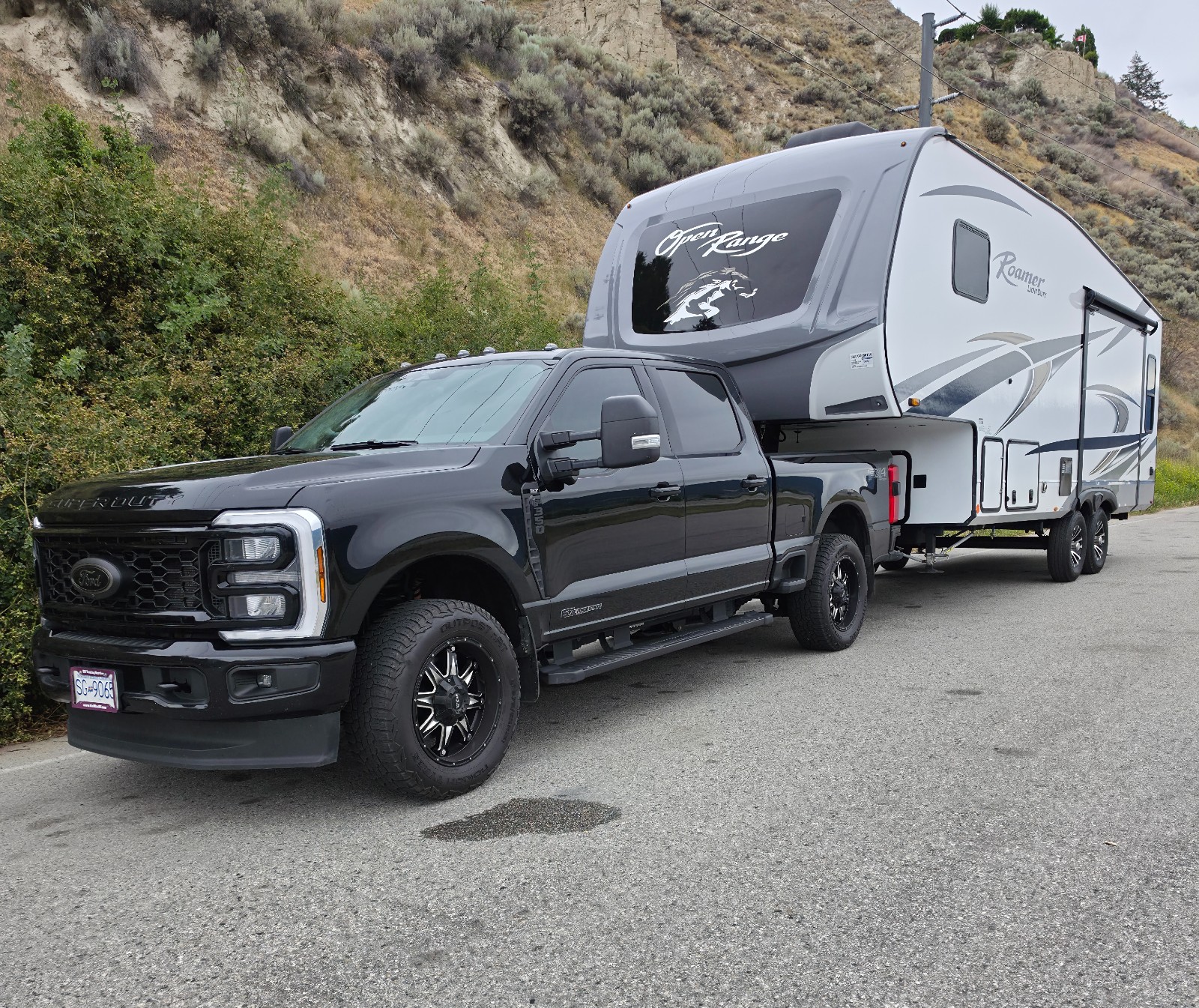
A new travel trailer is waiting at the dealership. Your seasonal site is open. Or your fifth wheel needs to get to a service center before the next trip. The RV is ready to move, but you do not own a heavy-duty tow vehicle, do not want the pressure of a long haul, or simply do not have the time. Knowing how to book RV towing service turns that problem into a straightforward plan.
The best bookings are not complicated, but they do require accurate information. A professional hauler needs to know what is being moved, where it is starting, where it is going, and whether either location presents access challenges. Get those details right at the beginning, and the quote, scheduling, and delivery process all go more smoothly.
Start with the RV and route details
A transport provider cannot give a useful quote based only on a city name and a rough description like “a trailer.” Travel trailers and fifth wheels vary widely in length, weight, hitch setup, and loading requirements. Those details affect equipment selection, route planning, and the time needed at each end of the move.
Before requesting service, have the year, make, model, overall length, and approximate loaded weight available. State whether you have a travel trailer or fifth wheel, and confirm the hitch type. If you have the VIN, include it when requested. It helps avoid confusion when a dealership, storage facility, or service center is releasing the RV.
The pickup and delivery addresses matter just as much as the RV specifications. Provide full street addresses, the preferred pickup date, and any deadline at the destination. For example, a campground may have arrival-hour rules, a dealership may only release units during business hours, or a service department may have a specific receiving procedure.
For routes in British Columbia and Alberta, be clear about the actual start and end point, not just the nearest town. A few extra miles on a rural road, a steep driveway, or a tight resort lane can affect the job more than the highway distance does.
Tell the hauler what access is really like
The road route is only part of the job. Access at the pickup and destination often determines whether a move is routine or requires extra planning.
Describe the approach honestly. Mention narrow driveways, sharp turns, low branches, soft ground, steep grades, gated communities, construction zones, and tight storage rows. If possible, send current photos showing the RV, the hitch area, and the route in and out. A quick set of photos can answer questions that an address cannot.
This is especially useful when an RV is parked at a seasonal site. Campground roads can be narrow, and neighboring units, trees, utility posts, and parked vehicles may limit turning room. The goal is not to make the job sound difficult. It is to let the operator arrive with a realistic plan instead of discovering an obstacle after the scheduled pickup time.
Ferry travel also needs to be discussed early if the move involves Vancouver Island or another ferry-dependent route. Sailing schedules, reservation availability, RV dimensions, and seasonal demand can all affect timing and cost. A ferry-inclusive transport plan should be built into the quote rather than treated as a last-minute detail.
Request a quote with complete information
Once you have the RV and location details, request a written quote. A dependable quote should reflect the actual move, not an overly simple mileage estimate that leaves major items unanswered.
When comparing providers, ask what is included in the price and what could change it. The answer may depend on ferry costs, difficult site access, waiting time at a dealership or service center, special routing, or changes to the requested dates. The lowest number is not always the lowest final cost if the quote does not account for the real conditions of the move.
You should also confirm that the provider is properly licensed and insured for commercial RV transport. Your travel trailer or fifth wheel is a significant investment. The company moving it should be prepared to explain its coverage and operating credentials clearly.
A company that specializes in towable RVs will also ask practical questions rather than rushing to schedule. That is a good sign. Questions about length, hitch type, access, and destination instructions show that the job is being planned, not guessed at.
Choose dates with some room to work
Timing is one of the biggest variables when booking RV towing service. Summer weekends, long weekends, ferry seasons, dealership delivery periods, and the spring and fall campground rush can all tighten scheduling. If your date is fixed, book as early as you can. If it is flexible, provide a date range and ask about availability within that window.
Flexibility can be particularly useful for longer western Canadian moves. A return-haul opportunity may offer better timing or pricing when a hauler already has a planned route in the right direction. It depends on the schedule, so it is worth asking rather than assuming a one-way trip is the only option.
Do not schedule too close to a hard deadline if you can avoid it. Weather, road conditions, ferry delays, and site access issues can affect travel days. Building in a buffer is practical, especially when the RV is headed to a service appointment, a campground reservation, or a property closing.
Prepare the RV before pickup day
A professional operator handles the transport, but the owner still has a few responsibilities before the RV leaves. Preparation protects the unit and prevents delays at pickup.
Inside the RV, secure loose items, latch cabinet doors, close windows and roof vents, and make sure slide-outs are fully retracted. Remove or properly secure anything that could shift during travel. Check that exterior storage compartments are latched and that steps, awnings, stabilizers, and leveling equipment are fully stowed.
Confirm that the hitch area is accessible and that no personal items, locks, or accessories will prevent connection. If the RV has a specific operating quirk, such as an unusual breakaway cable location or a battery disconnect that must remain on, tell the hauler ahead of time.
It is also smart to photograph the RV before pickup. Take clear photos of each side, the front cap or A-frame, the rear, wheels, and any existing cosmetic marks. This is not about expecting trouble. It is simply good recordkeeping whenever a valuable asset is being transported.
At the destination, make sure someone can grant access if needed. Provide gate codes, site numbers, contact names, and instructions for where the RV should be placed. If you will not be there in person, make the delivery instructions specific enough that the hauler is not left guessing.
Confirm the booking in writing
Before the scheduled date, review the final booking details. Confirm the RV description, pickup address, destination address, contact numbers, requested dates, price, payment terms, and any special conditions. If ferry travel, campground access, or service-center hours are involved, make sure those items are included in the plan.
It also helps to identify one decision-maker at each end of the move. The pickup contact should be able to release the RV or coordinate with the dealership, storage facility, or site manager. The delivery contact should be reachable in case access conditions change or the operator needs placement confirmation.
Avoid making assumptions about arrival times. A professional hauler can provide scheduling expectations and updates, but exact timing can depend on road conditions and loading realities. Clear communication is more useful than a promise that ignores what can happen on a long route.
What a good RV transport booking should feel like
You should finish the booking knowing who is moving your RV, what information they have, what the move costs, and what you need to do before pickup. If you are still unsure whether the hauler understands the RV, the route, or the destination access, ask the question before committing.
GoMax RV works with travel trailer and fifth wheel owners who want the transport handled without buying a large tow vehicle or taking on the road stress themselves. The right plan begins with the details, then leaves you free to focus on meeting your RV at the destination and enjoying the reason you own it in the first place.
Comments are closed