

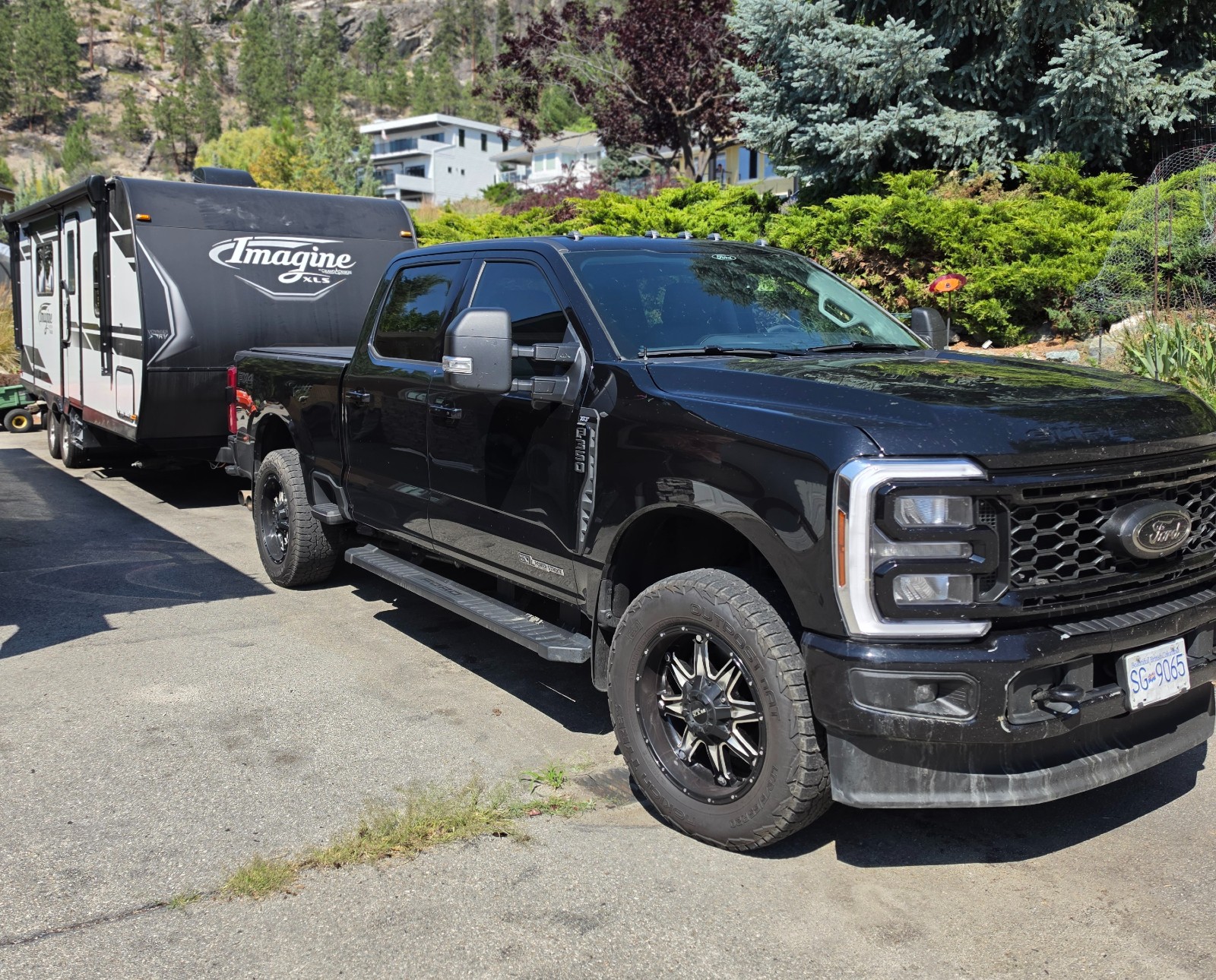
The real question behind RV transport company vs towing yourself is not just cost. It is whether you want to spend your time managing a heavy trailer on unfamiliar roads, or have it delivered where it needs to go without turning the trip into a job.
For some owners, towing their own RV makes perfect sense. If you already own the right truck, tow regularly, and are comfortable with long grades, tight fuel stops, backing into awkward sites, and route planning, doing it yourself can be the right call. But for many people, especially new buyers or owners moving a trailer only once or twice a year, professional transport is the cleaner and safer option.
RV transport company vs towing yourself: what really changes?
On paper, both choices get the RV from point A to point B. In practice, they are very different experiences.
Towing yourself means you are responsible for everything. That includes having the right tow vehicle, checking ratings, setting up the hitch correctly, planning fuel and rest stops, watching weather, handling mountain driving, and arriving with enough energy left to park the trailer where it belongs. If the route involves ferry timing, narrow roads, or urban traffic, the workload goes up fast.
Hiring an RV transport company shifts that burden to someone who does this work on purpose. The value is not only in pulling the trailer. It is in understanding weight, clearance, brake control, route selection, timing, and delivery logistics. That matters when you are moving a travel trailer or 5th wheel that represents a major purchase.
Cost is not as simple as it looks
A lot of owners start by assuming towing yourself is automatically cheaper. Sometimes it is. Often it is not.
If you already own a properly equipped heavy-duty truck and use it regularly, then self-towing may have a lower direct cost for a single trip. But many RV owners do not have that setup. Buying or upgrading to a tow-capable truck just to move a trailer a few times a year changes the math quickly. Add fuel, wear on the truck, extra insurance considerations, hitch equipment, overnight stops, and the value of your time, and the savings can disappear.
There is also the cost of mistakes. A rushed turn, poor backing angle, missed clearance, or unstable loading situation can become expensive in a hurry. Even if nothing goes wrong, towing a large trailer over distance puts real wear on tires, brakes, suspension, and drivetrain.
With professional transport, you are paying for a specific service with a defined purpose. For many owners, that is more cost-effective than maintaining a truck and towing setup they do not really want or need. This is especially true for dealer pickups, seasonal moves, transport to service appointments, or one-way relocations.
Safety depends on experience, not confidence
This is where RV transport company vs towing yourself becomes less theoretical.
A lot of people feel comfortable towing until they hit the first strong crosswind, steep descent, crowded fuel station, or tight campground entrance. Travel trailers and 5th wheels do not forgive inexperience. Weight distribution, braking distance, trailer sway, and turning radius all matter, and they matter more when road conditions are poor.
Professional transport is not magic, but experience counts. A licensed and insured hauler who spends real time moving towable RVs is more likely to spot issues before they become problems. That includes tire condition, hitch setup, loading concerns, route suitability, and delivery access.
If you are new to RV ownership, this can be one of the smartest reasons to hire out the move. Plenty of people are happy to camp in a trailer they do not want to tow themselves, and that is a practical decision, not a weakness.
Convenience is where professional transport usually wins
The biggest reason many owners hire transport is simple. They do not want the towing part of RV ownership.
That is common when buying a new trailer from a dealership, moving to a seasonal site, sending the RV in for repairs, or relocating between homes. In those situations, you may not want to borrow a truck, coordinate a friend, or spend your weekend hauling something you would rather already have set up at the destination.
Professional transport lets you drive your own everyday vehicle, arrive separately, and keep the trip manageable. That can be a major relief for families, retirees, and anyone dealing with long distances or unfamiliar roads.
In places like British Columbia and Alberta, convenience also includes local realities. Mountain routes, variable weather, ferry coordination, and long travel days can turn a basic move into a logistical exercise. If your trailer is headed to a site and staying there, there is a strong argument for letting a specialist handle the road work.
When towing yourself makes sense
There are good reasons to do it yourself, and not every owner needs a transport company.
If you tow often, know your equipment, and have the right truck, self-towing gives you flexibility. You can leave on your schedule, stop where you want, and build confidence as an owner. For frequent campers who move their trailer regularly, towing is part of the lifestyle.
It also makes sense when the trip is short, the route is familiar, and the delivery setup is straightforward. If you are moving a trailer across town or to a nearby campground and you have the proper experience, doing it yourself may be the practical option.
The key is being honest about your setup and skill level. Wanting to save money is reasonable. Pretending a half-prepared plan is good enough usually is not.
When an RV transport company is the better choice
There are situations where hiring a pro is not just easier, but the smarter move.
A new RV purchase is one of the most common. Many buyers are excited about the unit but not ready to tow it home from the lot, especially if it is their first travel trailer or 5th wheel. A professional delivery gives you time to learn the RV itself without adding towing stress on day one.
Seasonal site moves are another. If the trailer is going to a permanent or semi-permanent spot, there may be no reason to invest in a truck just to get it there. The same goes for service-related moves, winter storage transfers, and one-way relocations.
Long-distance hauling is also where experience matters more. The farther the route, the more chances there are for weather changes, fatigue, route restrictions, and access issues at the destination.
Insurance, licensing, and liability matter more than people think
This is one part many owners overlook until the last minute.
If you tow the RV yourself, you need to understand what your insurance actually covers while towing, during transit, and during any incident tied to hookup or maneuvering. You also need to be confident that your vehicle, hitch, and trailer combination meets legal and safe operating requirements.
When you hire a professional RV hauler, licensing and insurance should be part of the conversation from the start. That is not paperwork for its own sake. It is part of protecting a high-value asset during transport.
A company like GoMax RV builds trust by focusing on exactly that kind of work – towable RV transport, practical route planning, and insured delivery handled by someone with real towing experience. For owners who want the job done right without guessing, that matters.
The best choice depends on how you use your RV
If towing is a regular part of your travel routine, then learning to do it well can make sense. If your RV mostly stays parked once it arrives, professional transport is often the more efficient choice.
That is why RV transport company vs towing yourself should be decided based on your actual use, not just the price of one trip. Think about how often you move the trailer, whether you already own the right truck, how comfortable you are with long-distance towing, and what your time is worth.
There is no prize for doing it the hard way. If you enjoy towing and are equipped for it, great. If you would rather have your RV delivered safely and spend your energy on the part you actually enjoy, that is a smart way to own one too.
The right decision is the one that gets your RV where it needs to go without adding risk, stress, or unnecessary cost to the experience.
Comments are closed