

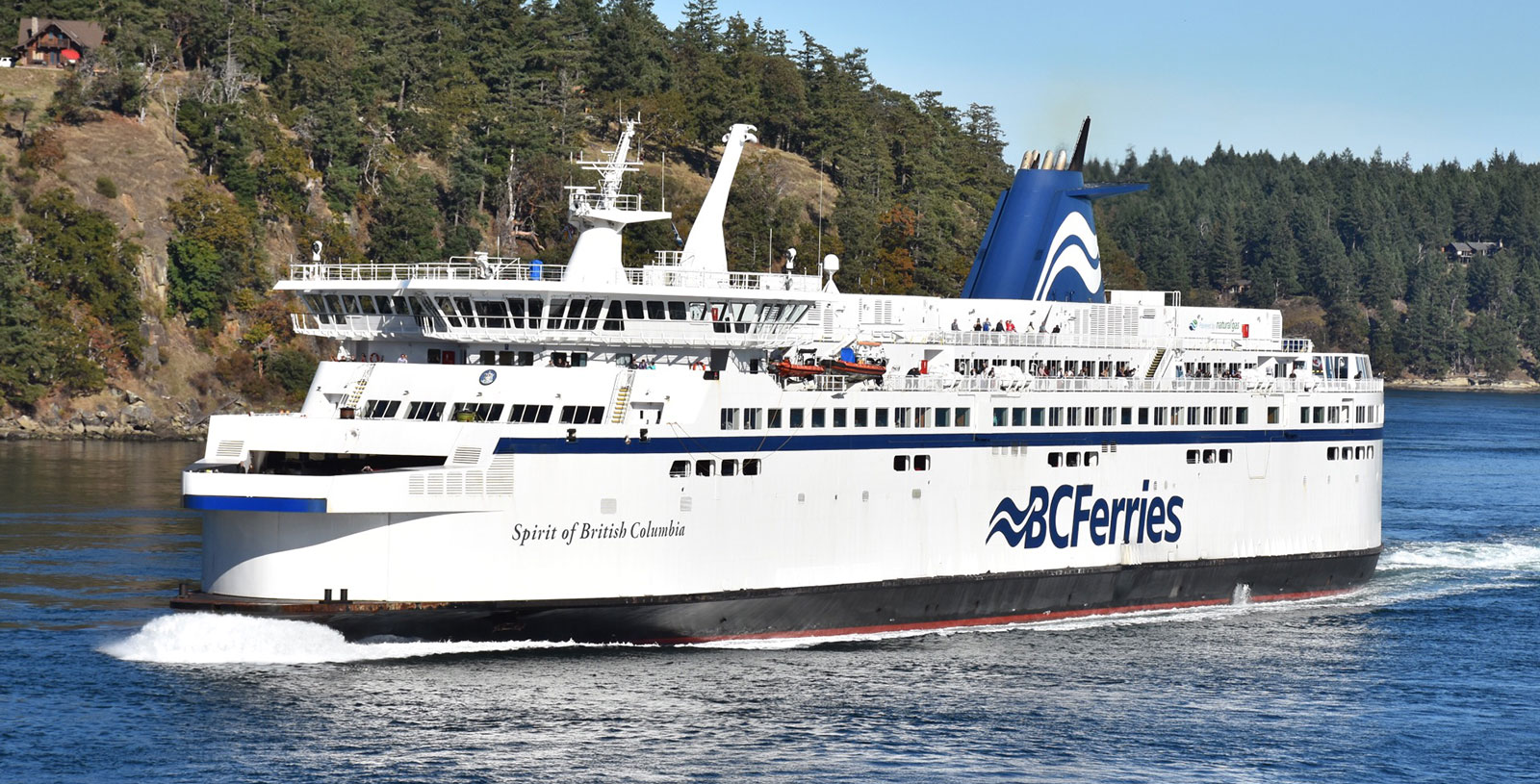
Buying a trailer on the mainland sounds easy until you start thinking about the ferry, terminal traffic, highway grades, and backing into a tight site after a long day. That is where vancouver island rv transport stops being a nice extra and starts looking like the practical way to get the job done.
For a lot of RV owners, the issue is not whether the trailer can be moved. It is whether they want to deal with everything that comes with moving it. A travel trailer or 5th wheel is a big asset. Getting it from a dealership, storage yard, service shop, or seasonal lot to Vancouver Island takes planning, timing, and the right equipment. If you do not already own a properly matched heavy-duty tow vehicle, the math usually gets pretty clear.
When Vancouver Island RV transport makes sense
Some owners call for transport because they just bought a new trailer and do not want their first trip to be a long haul involving ferry reservations and unfamiliar handling. Others are moving an RV to a seasonal site and would rather arrive in their own SUV or family vehicle without the stress of towing.
There is also the service side of ownership. Maybe the unit needs warranty work, repairs, or seasonal maintenance. Maybe you are relocating and the trailer needs to move with the rest of your household. In all of those cases, professional transport is less about convenience alone and more about reducing risk, time loss, and avoidable headaches.
That matters even more on Vancouver Island routes. Ferry schedules create fixed windows. Loading procedures are not the same as a normal road trip. Weather can shift plans. Terminal traffic can turn a simple day into a very long one. Experience matters because the route is only part of the job. The coordination around the route is what trips people up.
What makes Vancouver Island RV transport different
Moving a towable RV on or off the Island is not just a matter of hooking up and driving. The ferry piece changes the whole job.
A properly planned move has to account for the RV length, the tow setup, sailing availability, check-in times, terminal procedures, and the delivery point on the other side. If the pickup runs late, the whole day can change. If the trailer dimensions are not communicated correctly, you can run into booking issues or delays. If the destination is a campground, storage compound, or seasonal pad with narrow access, that needs to be factored in before the trip starts, not after arrival.
This is where people often underestimate the value of hiring a specialist. Towable RV transport is its own lane. Travel trailers and 5th wheels have different handling characteristics, hitch requirements, turning needs, and site access concerns. A transporter who deals with those details every week will usually spot problems before they become expensive ones.
The real cost question
A lot of owners start by asking whether they should just move the RV themselves. Fair question. Sometimes it can make sense, especially if you already have the right truck, enough towing experience, and the time to manage the trip properly.
But many people are comparing a transport quote against a best-case self-tow scenario that does not include the full picture. If you need to buy or upgrade a truck, add towing equipment, cover ferry costs, fuel the whole route, and give up a full day or two, the savings can disappear fast. That is before you factor in wear on your own vehicle or the stress of handling a large trailer through terminals, traffic, and unfamiliar roads.
Professional transport is often the cheaper option when the move is occasional rather than routine. It also gives you the freedom to meet the RV at its destination in your own vehicle instead of turning the whole trip into a towing exercise.
What to look for in an RV transport provider
Licensing and insurance should be the first checkpoint, not the last. If someone is moving your trailer, you want to know they are set up to do it properly and legally. That is basic, but it matters.
After that, look at specialization. There is a big difference between a general hauler and a company that focuses on travel trailers and 5th wheels. Specialized operators understand weight distribution, hitch setup, tire and brake checks, route planning, and destination access. They also know that an RV is not just cargo. It is a major purchase, and owners want confidence that it will arrive in the same condition it left.
Regional experience also counts. Vancouver Island transport is not the place for guesswork. Ferry coordination, seasonal demand, terminal timing, and site delivery all benefit from someone who knows how these moves actually work in the field.
That is why customers often choose a company like GoMax RV. The value is not just that the trailer gets moved. The value is that the trip is planned with the right equipment, the right paperwork, and a clear understanding of towable RV transport from pickup to delivery.
How to prepare your trailer for transport
Good transport starts before departure. The trailer should be ready to move, not just ready to camp.
Make sure tires are in serviceable condition and inflated correctly. Confirm that wheel bearings, brakes, lights, and breakaway systems are working as they should. Secure loose items inside the RV, latch doors and compartments, and retract awnings and stabilizers fully. If the trailer has any known issues, mention them up front. Small mechanical details are easier to manage before pickup than at a ferry terminal.
It also helps to be clear about dimensions and pickup conditions. Provide the exact trailer type, length, and destination details. If access at either end is tight, mention slope, gate width, tree clearance, soft ground, or any site restrictions. Those details are not minor. They affect equipment choices, timing, and whether same-day delivery is realistic.
Timing, delays, and why flexibility helps
RV transport does not happen in a vacuum. Ferries can fill up. Weather can affect travel. Dealerships and service locations can run behind. Campgrounds may have limited arrival windows.
That does not mean your move becomes unpredictable. It means experienced scheduling matters. A good transporter builds around those realities instead of pretending they do not exist. Sometimes the fastest-looking plan is not the best one if it leaves no room for delays. Sometimes paying for the first available date is worth it. Other times a little flexibility gets you a better rate or a smoother handoff.
If your move is tied to a campground opening, a possession date, or a service appointment, book early. Vancouver Island demand can tighten up during peak RV season, and ferry capacity is not unlimited.
Delivery is more than getting to the address
One thing owners appreciate after the fact is that delivery is not just highway miles. It is often the last 100 feet that takes the most skill.
Backing a travel trailer into a narrow site, placing a 5th wheel in a storage compound, or maneuvering through a seasonal resort with strict space limits takes patience and experience. This is where professional transport saves more than time. It avoids the damage that can happen when an already long day turns into a rushed setup.
If you are arranging a move, ask about the final placement. Some deliveries are straightforward. Others require a closer look at site access and turning room. The better that conversation is at the start, the smoother the delivery tends to be.
The best use of professional transport
For most owners, the best use of vancouver island rv transport is simple. Use it for the moves that are inconvenient, stressful, or equipment-heavy enough that doing it yourself stops making sense.
That could be a dealer pickup. A seasonal relocation. A move to or from storage. A trip for service work. A relocation between communities. It does not have to be complicated to justify professional help. If the move saves you buying a bigger truck, taking extra time off, or worrying through every ferry checkpoint and turn, the value is already there.
The right transport job should feel straightforward from your side. You know the pickup point, the destination, and the timing. The operator handles the logistics needed to get the trailer there safely and efficiently. That is the whole point.
If your RV needs to get to or from Vancouver Island, the smartest move is usually the one that keeps the trip simple for you and safe for your trailer.
Comments are closed