

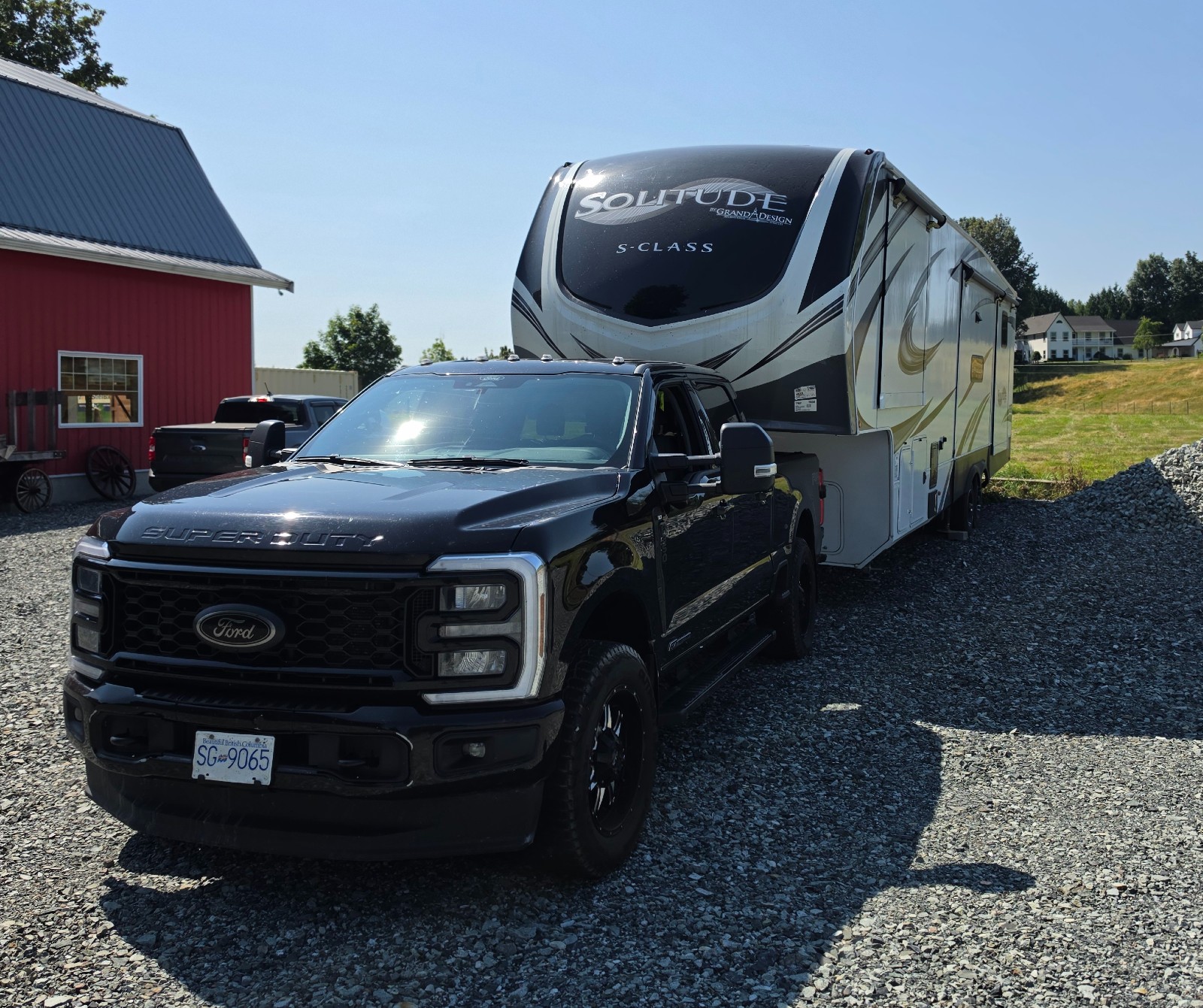
A fifth wheel is not a small purchase, and moving one is not a casual favor to ask of a friend with a pickup. The right insured fifth wheel movers give you a professional way to get your RV from a dealership, storage site, service center, or seasonal lot without taking on the stress and expense of doing it yourself.
Insurance is one of the first things owners ask about, and for good reason. But “insured” should mean more than a line in an ad. Before you hand over your fifth wheel, you should understand what protection is in place, what information the mover needs from you, and how a professional transport is planned from pickup through delivery.
Why insurance matters when moving a fifth wheel
A fifth wheel can be long, tall, heavy, and full of systems that do not like rough handling. Slide-outs, landing gear, awnings, roof seals, appliances, batteries, and suspension components all need consideration before a move begins. The risk is not limited to highway miles. Tight campground lanes, dealership lots, ferry terminals, fuel stops, steep grades, and a difficult final placement can all require experienced judgment.
A properly insured mover operates with the understanding that the RV in their care is a valuable asset. Commercial insurance and the right licensing are practical signs that the operator treats transport as a professional service, not an occasional side job.
That said, insurance is not a substitute for careful work. A policy does not prevent a low branch, an unsecured compartment door, or a trailer that was not properly prepared for travel. The best protection is a combination of qualified transport, a sound pre-move inspection, clear communication, and coverage that is appropriate for the job.
What insured fifth wheel movers should be able to explain
You do not need to become an insurance expert before arranging a move. You do need straight answers. A professional operator should be comfortable discussing their licensing, commercial insurance, service area, and the type of fifth wheels they are equipped to move.
Ask how the transport will be documented at pickup and delivery. A condition check, photos, and notes about existing cosmetic damage help establish a clear starting point. If there is a concern during the route, you should know who will contact you and how decisions will be handled.
It also makes sense to speak with your own RV insurer before the move. Your personal policy may continue to apply to the RV, but policy terms vary. Confirm what your insurer requires when the unit is being transported by a hired professional and whether there are any limits that affect your situation. This is especially worthwhile for newer units, high-value fifth wheels, or RVs carrying personal belongings.
A reliable mover will not make vague promises that every possible issue is automatically covered. Instead, they will explain the process clearly and encourage you to confirm any coverage questions that relate to your own policy.
The questions worth asking before you book
Price matters, but the lowest quote is not always the lowest-risk choice. Fifth wheel transport requires more than hooking up and heading down the road. Before selecting a mover, ask these practical questions:
- Are you commercially licensed and insured for fifth wheel transport?
- What size and length of fifth wheels are you set up to move?
- How do you inspect and document the RV at pickup and delivery?
- What information do you need about the route, access, and destination site?
- How are ferry reservations, route restrictions, or weather delays handled when they apply?
The answers tell you whether the mover has a real operating process. They also help avoid surprises. For example, a fifth wheel parked in a narrow storage compound may need more planning than one waiting on a wide dealership lot. A site on Vancouver Island can involve ferry timing and height or length considerations. A remote seasonal property may require the owner to confirm that gates are open, branches are trimmed, and the pad is accessible.
Preparing your fifth wheel protects the move
Even with a skilled driver and proper insurance, the owner has a role in getting the RV ready. Preparation reduces delays, protects the unit, and gives the mover a safer, cleaner job to perform.
Start by securing the interior. Latch cabinet doors, remove or secure loose items, and make sure heavy belongings are not stored where they can shift unexpectedly. Retract slide-outs fully, secure the entry door, lock exterior compartments, and stow steps, stabilizers, and leveling equipment. Check that the awning is locked in its travel position.
On the outside, inspect tires for visible damage and proper inflation, make sure wheel bearings and brakes are maintained, and confirm that the breakaway system is functional. Landing gear must be in good working order for a safe hookup. If the unit has a known mechanical concern, say so before transport is scheduled. A straightforward conversation early is far better than discovering a problem at pickup.
You should also remove items that could create a problem during transport. That may include unsecured bikes, portable generators, loose cargo racks, or anything stored where it could fall, drag, or obstruct access. If you plan to leave belongings inside the fifth wheel, ask your mover what they recommend and check your insurance terms first.
Route planning is part of protecting your RV
A fifth wheel route is not always the same route you would choose in a personal SUV. Clearance, grade, construction, access roads, seasonal weather, and final-site maneuvering all matter. In Western Canada, mountain conditions, ferry schedules, and changing road work can add another layer of planning.
This is where experience earns its value. An operator who regularly moves towable RVs understands that the last few hundred yards can be as important as the long stretch of highway. They will ask about the entrance, turning room, site slope, and whether another unit or obstacle limits access.
There are trade-offs. A more direct route may not be the best route for a tall or long fifth wheel. A ferry crossing can be efficient, but it needs to be coordinated around available sailings and arrival windows. Weather can also change a plan. A professional mover may recommend adjusting timing rather than forcing a move in conditions that do not make sense.
When professional transport makes the most sense
Hiring a fifth wheel mover is often the practical choice when you have bought a new unit but do not own a heavy-duty pickup, need to move between seasonal sites, or want your RV delivered to a service appointment. It also helps when a long relocation would otherwise require separate travel plans, fuel stops, overnight parking, and a lot of unfamiliar driving.
For many owners, the real benefit is freedom. You can travel in your own car, meet the RV at its destination, and spend your time setting up rather than managing a large fifth wheel on busy roads. That can be especially valuable for first-time owners, families planning a seasonal move, and anyone whose usual schedule does not leave room for a multi-day transport.
GoMax RV focuses on moving towable RVs under 44 feet, with the practical experience needed for dealership deliveries, storage moves, service appointments, and seasonal relocations across British Columbia and Alberta. The details of each move still matter, which is why an accurate quote starts with the RV size, pickup and delivery locations, access conditions, and preferred timing.
Before booking, have your unit’s length, approximate weight, pickup details, destination access information, and target dates ready. A good mover can then assess the job properly instead of giving you a guess. When your fifth wheel is ready to go, choosing an insured professional lets you focus on where you want to camp next, not how you will get there.
Comments are closed