

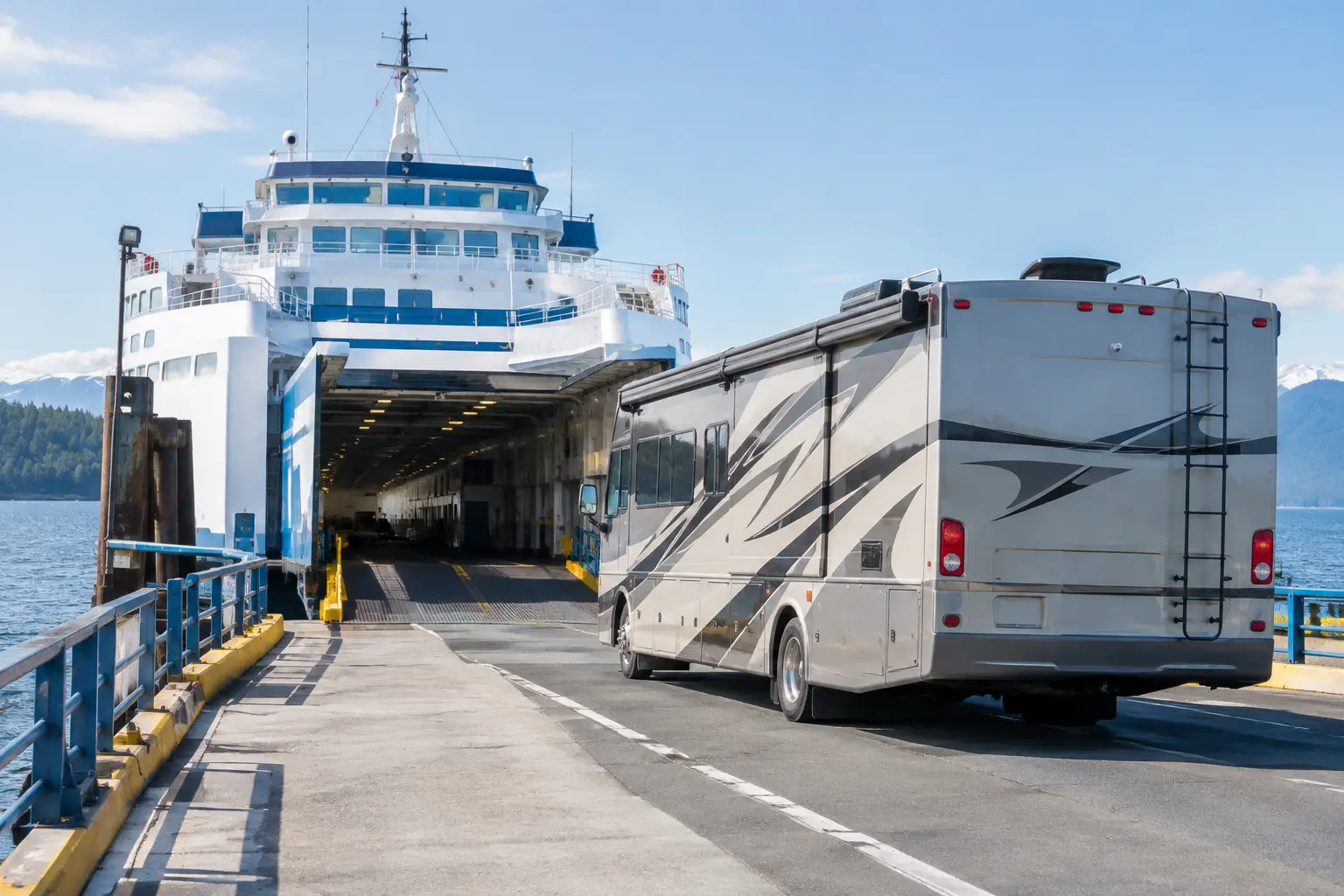
A ferry crossing can be the difference between a straightforward RV move and a job with several moving parts. If you are asking, are ferry costs included in an RV transport quote, the right answer is: they can be, but do not assume they are. The quote should say clearly whether ferry fares, reservation charges, and the driver’s passage are included.
That matters most for RV owners moving a travel trailer or 5th wheel to or from Vancouver Island, the Sunshine Coast, or another ferry-served destination. A professional hauler needs to plan the crossing around the combined length, height, and weight of the tow vehicle and RV, along with the available sailing schedule. Those details affect both the cost and the delivery timeline.
Are Ferry Costs Included in the Quote?
A properly prepared transport quote should identify ferry costs as either included, estimated, or separate. For many ferry routes, the cost is not a simple flat fee. The operator may charge according to vehicle length, the type of unit being moved, the time of travel, and whether a reservation is required.
When ferry-inclusive service is offered, the transport provider builds the anticipated crossing cost into the overall price. That gives you one number to work with and avoids the inconvenience of arranging terminal payment or reimbursement after the fact. It is often the easiest option for owners who want the RV picked up at a dealership, home, storage yard, or service center and delivered to its destination without having to manage the route themselves.
There are situations where ferry charges may be listed separately. This can make sense when sailing availability is uncertain, when a customer has a flexible delivery date, or when the route may change based on weather, terminal congestion, or the receiving site’s access. Separate pricing is not automatically a red flag. It simply needs to be explained before the job is booked.
The key point is simple: get the ferry arrangement in writing. A clear quote prevents surprises and makes it easier to compare transport options accurately.
What Goes Into Ferry Pricing for an RV Move?
The fare for a towable RV crossing is usually based on more than the trailer alone. Ferry operators generally assess the full combination entering the terminal. A 30-foot travel trailer behind a properly equipped tow vehicle does not always price the same way as a 40-foot 5th wheel, even if both are going to the same terminal.
Overall length is one of the biggest factors. A longer combination uses more deck space, and space is limited on busy sailings. Height and weight can also matter on certain routes, particularly if equipment restrictions or special loading requirements apply. The time and day of travel may affect the availability of reservations, although the exact pricing structure depends on the ferry operator and route.
The transport quote may also account for the driver’s fare, reservation fees, and the time required to check in early enough for an oversized or commercial-style load. That time is part of doing the job properly. Missing a sailing because the unit arrived late at the terminal can delay delivery by hours or, on a busy day, longer.
Why Reservations Matter
An RV transport job should not be treated like a last-minute drive to the terminal. Larger RV combinations need a realistic plan, especially during summer weekends, holidays, and the start or end of the camping season.
A reservation can provide more certainty, but it may come with an added cost and still requires the hauler to meet the check-in requirements. If the pickup is delayed because the RV is not ready, access is blocked, or paperwork is missing, the booked sailing may no longer be practical. In that case, a new sailing and additional charges may be necessary.
This is why accurate pickup information matters. Before pricing the job, a professional transport provider should know the RV’s make, model, length, approximate weight, pickup address, destination, and preferred delivery window. For ferry routes, it also helps to know whether dates are fixed or whether there is room to work around a less busy sailing.
When Ferry Charges Can Change After the Quote
Most moves go as planned when the information provided at booking matches the actual job. Costs can change when the scope changes. That is true on land and it is especially true when a ferry is involved.
A quote may need to be revised if the RV is longer or heavier than described, if the ferry route changes, or if the destination requires a different terminal than originally planned. Last-minute changes to pickup or delivery dates can also affect reservation availability and fare levels.
Site access is another practical issue. A trailer may be fully transportable, but a narrow driveway, steep seasonal site, low branches, or an inaccessible storage row can add time or require a different plan. Those issues do not necessarily change the ferry fare itself, but they can affect the total transport cost and the sailing that can be reached.
Weather is worth considering too. High winds, rough water, or operational interruptions can cause ferry delays or cancellations. A reliable hauler can coordinate the next practical step, but no transporter can guarantee a crossing when the ferry operator has suspended service. Allowing a little flexibility in the delivery schedule is smart when an island crossing is involved.
What to Confirm Before You Book
You do not need to become a ferry logistics expert. You do need a few clear answers before handing over your RV for transport. Ask whether the quoted amount includes the ferry fare for the tow vehicle, RV, and driver. Confirm whether a reservation is included and whether the price is based on a specific route and travel date.
Also ask what happens if the booked sailing is missed because of a delay outside your control, such as a ferry cancellation. The answer should explain how schedule changes and additional costs are handled. Good communication here is more valuable than a vague promise of an all-in price.
Make sure the hauler has the correct RV details. Provide the exact model if possible, along with any modifications that affect length or height. If the unit is stored behind a gate or at a campground with restricted access hours, share that information up front. A transport company can plan around real constraints. It cannot plan around details it does not know.
Before pickup, have the RV ready to travel. Secure loose items, close and latch exterior compartments, retract slides and awnings, and make sure the unit is accessible for hookup. If the RV needs a service issue addressed before the move, handle that before the transport date whenever possible. Mechanical readiness protects the schedule and reduces the chance of missing a reserved crossing.
Ferry-Inclusive RV Transport Makes Planning Easier
For owners moving an RV between the mainland and Vancouver Island, an inclusive quote can remove a lot of hassle. Instead of coordinating a terminal arrival, calculating a large-unit fare, and worrying about whether the RV will fit the sailing plan, you have one transport provider managing the route.
That does not mean every job should be priced the same way. A seasonal move with flexible dates may be handled differently than a dealer pickup that has to arrive at a campground before a specific weekend. The best approach is the one that matches the route, the RV, and your timeline without leaving important costs unclear.
GoMax RV coordinates towable RV moves with the road, ferry terminal, and destination access in mind. If your travel trailer or 5th wheel needs to cross water as part of the trip, ask for a quote that states exactly how the ferry portion is handled. Clear details at the start make for a calmer handoff at pickup and a better chance of having your RV where you want it, when you need it.
Comments are closed