

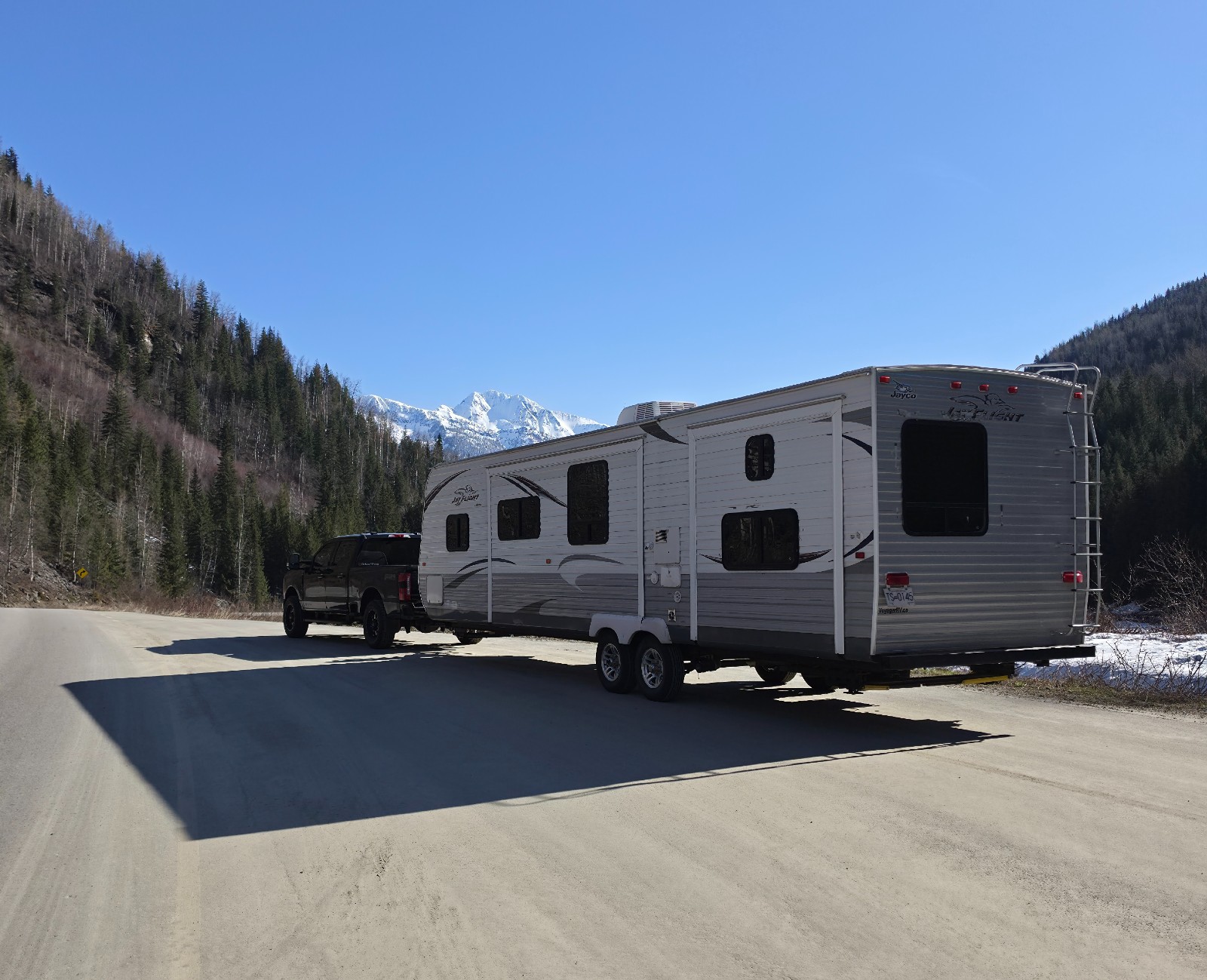
A fifth wheel can turn a summer property, campground lot, or cross-province trip into something worth looking forward to. Getting it there is another matter. Alberta fifth wheel delivery gives owners a practical way to move a large RV without buying a heavy-duty pickup, adjusting their travel plans around towing, or taking on a difficult drive themselves.
For many owners, the need is simple: the unit is ready at a dealership, it needs to reach a seasonal site, or it has to go to a service center before the next trip. The logistics are rarely simple. Fifth wheels are large, heavy, and sensitive to route planning, weather, access conditions, and proper equipment. Professional delivery is about handling those details before they become your problem.
When Alberta Fifth Wheel Delivery Makes Sense
The most obvious situation is a new or used fifth wheel purchase. You may be ready to enjoy the RV, but not ready to purchase the truck required to pull it safely. A professional hauler can pick up the unit from the dealership and deliver it to your home, storage location, or seasonal site while you make the trip in your own vehicle.
Seasonal moves are another common reason to book delivery. A fifth wheel may spend the summer at a lake lot, family property, or long-term campground, then need to be moved for winter storage or brought back in the spring. If the route involves mountain grades, city traffic, unfamiliar roads, or a long highway run, handing off the transport can save a full day or more of work and stress.
Service appointments matter too. A large RV may need warranty work, repairs, inspections, or seasonal preparation at a shop that is not close to where it is parked. Instead of organizing a borrowed truck, finding someone comfortable with a fifth wheel hitch, and losing time to the trip, owners can arrange point-to-point transport.
Relocations are the fourth major scenario. Moving from British Columbia to Alberta, changing campgrounds, or relocating to a new home can involve enough moving parts without adding a large RV to the driving plan. Delivery lets the RV travel separately while you focus on your household, work schedule, and personal vehicle.
A Fifth Wheel Is Not Just Another Trailer
Fifth wheels place substantial weight in the bed of the tow vehicle through the hitch connection. That creates a stable setup when the tow vehicle, hitch, trailer weight, and loading are properly matched. It also means that transporting one calls for the right truck, proper fifth wheel equipment, and an operator who understands how the combination handles on grades, turns, fuel stops, and narrow access roads.
Length matters as well. A fifth wheel that looks manageable in an open campground can be challenging at a tight storage yard, a dealership lane, or a rural property with trees and sharp turns. The final part of the trip is often where experience counts most. A delivery plan should account for site access, gate width, turning room, surface conditions, and whether the unit can be positioned where you want it.
Weather is a real Alberta consideration. Wind can affect handling, while early or late-season conditions can change road surfaces quickly. A good delivery decision is not always about moving the RV on the earliest possible date. Sometimes it makes better sense to schedule around conditions, especially if the route includes exposed highways, steep terrain, or a destination with soft ground.
What to Confirm Before Booking a Delivery
A clear quote starts with clear information. The pickup and delivery addresses are only part of the picture. The more accurate the details, the better the transporter can plan the route, equipment, timing, and destination access.
Before requesting a quote, have the fifth wheel’s year, make, model, length, and estimated weight available. It also helps to know whether it has been prepared for travel. Slide-outs should be fully in, exterior storage doors secured, loose items stowed, landing gear operating properly, and tires in roadworthy condition. If the RV has a battery disconnect, unusual hitch setup, known mechanical issue, or damaged tire, mention it early.
Access details deserve the same attention. Let the hauler know about narrow roads, low branches, locked gates, steep driveways, gravel lanes, construction zones, or campground arrival rules. Some campgrounds have specific check-in windows or restrictions on moving large rigs through the property. A quick conversation before the delivery day can prevent delays at the gate.
You should also be clear about where the fifth wheel needs to be placed. “Deliver it to the lot” can mean different things. Is the goal to park it in a storage row, position it on a pad, back it beside a home, or leave it at a service center? Exact placement may depend on available room, ground conditions, and site layout. A professional operator will assess what can be done safely rather than forcing a risky maneuver.
The Value of Professional Equipment and Coverage
Hiring a delivery service is not only about having someone else behind the wheel. It is about using a setup intended for the job. Fifth wheel transport requires a properly equipped truck, compatible hitch equipment, and a driver who knows the working limits of the combination.
Licensing and insurance should be part of the conversation, not an afterthought. Your fifth wheel is a significant investment, and you should know who is moving it and what coverage applies during transport. Ask direct questions. A professional provider should be able to explain the process clearly and give you confidence that the move is being handled responsibly.
There is also a cost comparison worth making. Buying a capable heavy-duty truck involves more than the purchase price. Fuel, maintenance, insurance, hitch equipment, storage, and depreciation add up. That can make sense for owners who tow frequently and enjoy doing it. For occasional moves, dealership delivery, service runs, or a long relocation, professional hauling is often the more practical choice.
How Delivery Day Usually Works
On pickup day, the hauler verifies the unit, connects it using the proper fifth wheel hitch, and checks the basics needed for safe travel. The RV should be accessible, travel-ready, and free of anything that could shift, open, or create a problem on the road.
Communication is especially useful when the pickup or destination has a time-sensitive handoff. Dealerships, storage compounds, service centers, and campgrounds may have different operating hours and site procedures. Confirm who will release the unit, who will receive it, and whether there are any required documents, keys, or gate codes.
At delivery, the goal is safe placement within the limits of the site. Some locations are straightforward. Others require careful backing, spotter coordination, or a different placement plan than originally expected. Ground can be soft after rain, gravel can shift, and an approach that looked open on a map can be tight in person. Experienced transport means recognizing those conditions and making sensible decisions on site.
Choosing the Right Delivery Partner
Price matters, but it should not be the only question. An unusually low quote may leave out details that affect the actual move, such as distance, scheduling, access challenges, or special routing. A useful quote should reflect the real job rather than an optimistic estimate that changes later.
Look for a provider focused on towable RV transport, with experience moving fifth wheels of similar size and on the type of route you need. Ask how they handle pickup coordination, destination access, scheduling changes, and insurance. If you are moving between British Columbia and Alberta, regional road familiarity is a practical advantage, particularly when the trip crosses long distances or changing terrain.
GoMax RV handles fifth wheels under 44 feet for owners who want the transport work done properly without taking on the drive themselves. Whether the move is from a dealership, a storage location, a service center, or a seasonal site, the best results come from providing accurate information early and allowing enough time to plan the route.
Your fifth wheel is meant to be waiting where your time off begins, not sitting at one end of a complicated transport problem. Arrange the move with the same care you put into choosing the RV, and you can arrive in your own vehicle ready to enjoy the destination.
Comments are closed