

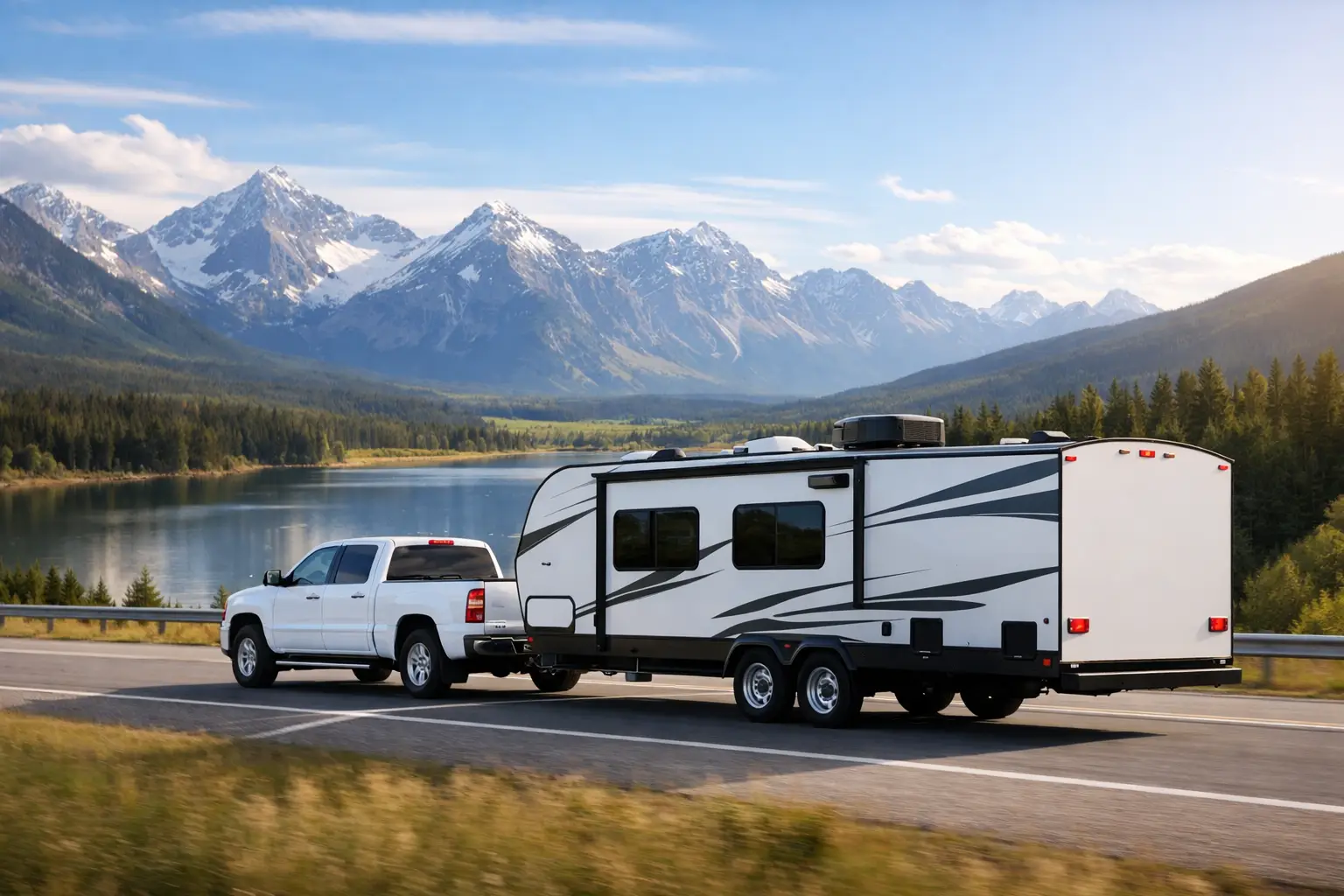
A travel trailer can be ready for the road while its owner is not. Maybe you bought a unit from a dealer several hours away, your seasonal site is opening, or the trailer needs to get to a service center before the busy season. Travel trailer transport Alberta owners arrange professionally solves a simple problem: the RV needs to move, but you do not want to buy, equip, and drive a heavy-duty truck just to make it happen.
For many owners, professional transport is not about avoiding a short drive. It is about avoiding the pressure that comes with hauling a large trailer through city traffic, mountain passes, construction zones, fuel stops, and tight campground roads. A planned point-to-point move lets you drive your own vehicle, keep your schedule manageable, and have the trailer delivered where it needs to be.
When Professional Trailer Transport Makes Sense
The most common request starts with a purchase. A buyer finds the right travel trailer at a dealership in Alberta or British Columbia, but does not own a properly matched tow vehicle. Rather than delay the purchase or make a rushed truck decision, they arrange delivery directly to home, storage, or a campground.
Seasonal moves are another practical reason. A trailer may need to leave winter storage and go to a lake lot, an RV resort, or a family property. At the end of the season, the same unit may need to return to storage or go to a service appointment. These are predictable moves, but they still require the right equipment, experience, and route planning.
Service-related transport also matters. A trailer with a suspension concern, brake issue, or other problem should not be treated as a casual weekend tow. A professional hauler can assess the pickup details, confirm the destination requirements, and plan the move around the unit’s condition. That does not mean every trailer can be moved in every condition. It means the transport decision is made with the right questions asked upfront.
Relocations are a fourth common scenario. When a household moves between communities or provinces, the trailer can become one more major item to coordinate. Having it transported separately gives the owner room in their schedule to manage the home move, travel in a personal vehicle, and meet the trailer at its destination.
What Affects Travel Trailer Transport Alberta Pricing
There is no useful flat rate for every trailer move. A 20-foot unit traveling on clear highways is different from a 40-foot trailer going to a remote seasonal site with limited access. A proper quote starts with the real details, not a guess based only on the distance between two towns.
Trailer length, weight, hitch type, and overall condition all matter. The pickup and delivery locations matter just as much. A dealership yard with staff, wide lanes, and daytime access is usually straightforward. A narrow rural driveway, a storage compound with restricted hours, or a campsite with sharp turns may require more planning.
Route conditions can affect cost and timing as well. Alberta weather changes quickly, especially in spring and fall. Construction, road restrictions, high winds, and mountain conditions on routes connecting Alberta and British Columbia can all influence the safest departure window. The cheapest-looking route is not always the best route for a large RV.
The time of year matters too. Spring delivery dates fill quickly as seasonal sites reopen. Late fall can be busy with storage moves and winterizing appointments. If your date is fixed, request a quote early and provide a reasonable pickup or delivery window. Flexibility can be especially helpful when a return-haul opportunity is available.
Get Your Trailer Ready Before Pickup
Good transport begins before the hauler arrives. The trailer should be accessible, ready to connect, and clear of loose items that could shift during travel. A few minutes of preparation can prevent delays at pickup and protect the unit on the road.
Start by confirming that the trailer is empty of anything that could move around. Secure cabinet doors, close and latch windows, retract steps, and make sure slide-outs and awnings are fully in. Remove loose outdoor furniture, portable fire pits, and gear stored around the trailer. If you have items in exterior compartments, make sure they are secured and the compartment doors are locked.
Check that the tires are in serviceable condition and properly inflated. The wheel bearings, brakes, breakaway system, lights, coupler, and safety equipment should be in working order. A transport provider can flag obvious concerns at pickup, but basic maintenance remains the owner’s responsibility. If the trailer has known issues, disclose them when requesting the quote. Surprises at the pickup location are how simple moves become complicated ones.
You should also confirm the destination access. Ask the campground, storage facility, dealership, or service center where the trailer should enter, whether there are gate codes or check-in procedures, and who will be available to receive it. Some locations have limited arrival hours. Others need advance notice before a large unit can be placed on a site.
The Details That Make Delivery Go Smoothly
A professional RV hauler needs accurate information to plan the trip properly. Provide the year, make, model, length, and approximate weight of the trailer. Share clear pickup and delivery addresses, along with photos if access looks tight or unusual. Mention steep grades, low branches, narrow gates, soft ground, or sharp turns before the move is booked.
Be specific about the delivery expectation. Is the trailer simply being dropped in a driveway or storage area? Does it need to be backed into a defined campsite? Will someone be there to guide placement? These details affect the time required and help prevent avoidable problems after arrival.
Communication is also part of a well-run move. Confirm the preferred contact person at both ends, keep your phone available on the scheduled day, and make sure the receiving location knows the trailer is coming. If a storm, site closure, or mechanical concern changes the plan, early communication gives everyone more options.
Why Experience and Coverage Matter
Travel trailers are large, valuable, and sensitive to poor handling. Safe transport is not just a matter of attaching a hitch and heading down the highway. It requires an operator who understands trailer tracking, braking distance, turning clearance, load behavior, changing road conditions, and how to approach difficult access points without forcing the situation.
Insurance and proper licensing should be part of the conversation before the move is booked. Ask what coverage applies during transport and make sure the provider is clear about the work being performed. A professional should be comfortable discussing the process, the route considerations, and any limitations that could affect your move.
GoMax RV focuses specifically on travel trailers and fifth wheels under 44 feet, with more than two decades of personal towing experience behind the service. That specialization matters when your trailer is more than equipment. It is your weekends, family trips, seasonal plans, and a significant investment.
Plan the Move Around Your RV Season
Do not wait until the campground opens tomorrow or the service appointment is already overdue. The best transport arrangements start with a clear destination, a prepared trailer, and enough lead time to account for weather, route conditions, and facility schedules.
When you request a quote, share the full picture rather than only the addresses. The more accurately the move is planned, the easier it is to get your trailer where it belongs and get back to enjoying the reason you bought it in the first place.
Comments are closed