

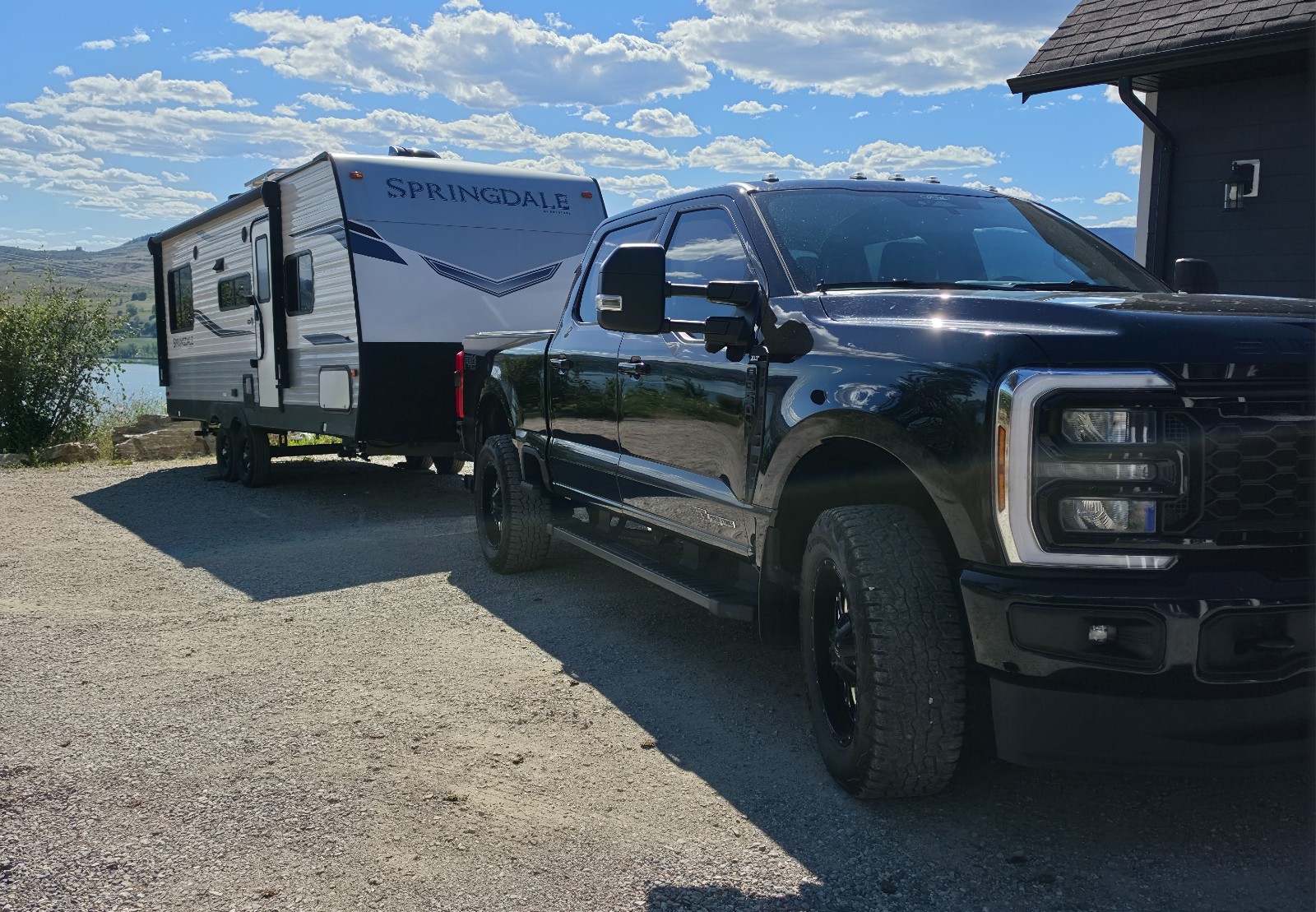
Handing over your travel trailer or 5th wheel to a transport company usually comes with one big question before anything else: who pays if something goes wrong on the road? That is exactly why a clear guide to RV transport insurance coverage matters. If you are arranging delivery from a dealership, moving to a seasonal site, or sending your RV in for service, you need to know what is covered, what is not, and what to confirm before the trip starts.
Insurance gets talked about a lot in this industry, but not always clearly. Some owners assume their own RV policy covers everything during transport. Others assume the transporter’s policy handles every possible situation. Neither assumption is safe. The real answer depends on the type of policy in place, how the RV is being moved, and what the contract says.
What RV transport insurance is supposed to cover
At a basic level, transport insurance is there to protect against loss or damage while your RV is being moved by a hired professional. That sounds simple, but coverage can be split between different policies and responsibilities.
A professional transporter should carry commercial insurance that applies to the work they are doing. That can include liability coverage for damage arising from their operations and, depending on the setup, cargo-related protection or other forms of coverage that apply while the RV is in their care, custody, and control. The exact policy structure varies by company, which is why asking for proof of insurance is only the start. You also want to know what that insurance is intended to cover in plain language.
Your own RV insurance may still matter during transport. Some owner policies continue to provide physical damage protection, such as collision or comprehensive coverage, even when the unit is being moved by someone else. Some have exclusions or conditions. If you do not ask your insurer ahead of time, you can end up with a bad surprise after a claim.
Guide to RV transport insurance coverage: where confusion starts
Most confusion starts with the phrase fully insured. It sounds reassuring, but it is too vague to be useful on its own. A company can be insured and still have limits, exclusions, deductibles, or policy terms that leave you exposed in certain situations.
For example, you may be covered for damage caused by an at-fault highway incident but not for pre-existing issues that worsen during transit. There may be questions about tire failures, roof damage linked to prior deterioration, unsecured contents inside the RV, or aftermarket accessories that were never declared. Insurance is not a blanket promise that every issue gets paid without debate.
That does not mean you should expect trouble. It means you should treat insurance the same way you would treat brakes, hitch setup, or tire condition – as something worth checking properly before the trip.
What to ask a transporter before booking
The right questions are usually simple. Is the company licensed for the work they perform? Do they carry commercial insurance for RV transport? What are the policy limits? Does the coverage apply specifically to towable RVs such as travel trailers and 5th wheels? If there is damage during transport, how is a claim reported and handled?
You should also ask whether there are requirements on your side before pickup. Some transporters want photos taken before departure. Some may require that loose items inside the RV be secured or removed. Some may note existing cosmetic damage on a condition report. These steps protect both sides and reduce arguments later.
If a company answers these questions clearly and directly, that is a good sign. If the answers stay vague, or if they seem annoyed that you asked, keep looking.
The role of your own RV policy
A lot of owners make the mistake of focusing only on the transporter’s insurance. Your own policy is part of the picture too, especially if your RV has significant value or custom equipment.
Call your insurer and ask a very specific question: does my policy provide physical damage coverage while my RV is being transported by a hired professional? Then ask about deductibles, exclusions, and whether any endorsements are required. If your unit has solar equipment, upgraded awnings, generators, or expensive accessories, confirm those are listed properly.
This is also the time to ask about personal property inside the RV. Many policies draw a line between the RV itself and the belongings stored in it. If dishes, tools, electronics, or camping gear are damaged in transit, the coverage may be different from damage to the trailer structure.
What is commonly excluded or limited
A practical guide to RV transport insurance coverage should also cover the parts people do not like hearing about. Insurance often has gray areas, and those gray areas matter most when a claim happens.
Wear and tear is a common issue. If a seal was already failing or a panel was already loose, an insurer may argue the transport did not cause the original problem. Damage related to poor maintenance can also lead to disputes. The same goes for undisclosed prior damage.
Contents inside the RV are another common weak spot. If cabinets were packed loosely and items shifted or broke during travel, that may not be treated the same as structural damage to the RV. Tire and wheel issues can also become complicated if there is evidence the tires were aged out or underinflated before pickup.
Timing matters too. If damage is reported long after delivery, it becomes harder to prove when and how it happened. That is why inspection at handoff is not just a formality.
Why documentation matters more than people think
Good documentation makes claims easier and false assumptions less likely. Before transport, take clear, time-stamped photos of all sides of the RV, the roofline if possible, the hitch area, wheels, windows, awnings, and any existing dents, scrapes, or cracks. Take photos of the interior if there are higher-value built-ins or features you are concerned about.
At delivery, do the same walkaround before the transporter leaves. If something looks off, note it immediately. Waiting until the next day can create a dispute over whether the issue happened during transport or afterward.
Documentation is especially important for long-distance routes, rough-weather travel, or ferry-involved moves where schedules, staging, and handling conditions can add complexity. Experienced operators know this and should not have any problem with thorough condition reporting.
Insurance is only one part of risk reduction
Strong insurance matters, but it should not be the only reason you hire a transport company. A licensed, experienced RV hauler reduces the chance of a claim in the first place. That means understanding weight balance, route planning, height and width awareness, weather judgment, tire checks, brake controller setup, and safe delivery procedures at homes, dealerships, storage lots, and campgrounds.
That is where experience shows. A company that regularly moves travel trailers and 5th wheels is more likely to spot issues before departure, communicate clearly about pickup and delivery, and avoid the preventable mistakes that create claims. Insurance is your backstop. Competence is what helps keep you from needing it.
Red flags to watch for
If a quote is unusually cheap, ask why. Lower pricing can be legitimate if a company is filling a return route, but it can also mean corners are being cut. No clear proof of insurance, no explanation of coverage, no condition reporting process, or no familiarity with RV-specific transport are all warning signs.
Another red flag is broad reassurance without details. If you hear don’t worry, you’re covered, but no one can explain covered by what, that is not enough. You are trusting someone with a major asset. Clear answers are part of the job.
For owners in places like British Columbia and Alberta, route conditions can vary quickly with terrain, weather, ferry timing, and seasonal demand. That makes professionalism and planning just as important as the insurance certificate itself.
The smart way to protect yourself before transport
The best approach is straightforward. Verify the transporter’s licensing and insurance. Review your own RV policy. Ask what is expected before pickup. Remove or secure loose items. Photograph the unit carefully. Inspect it again at delivery.
None of this is overkill. It is what practical owners do when they want fewer surprises and a smoother move.
If you are hiring a company to move your RV, insurance should give you confidence, not confusion. The right transporter will be clear about coverage, realistic about limits, and organized enough to document the job properly from start to finish. That kind of clarity is worth a lot before the wheels ever start rolling.
Comments are closed