

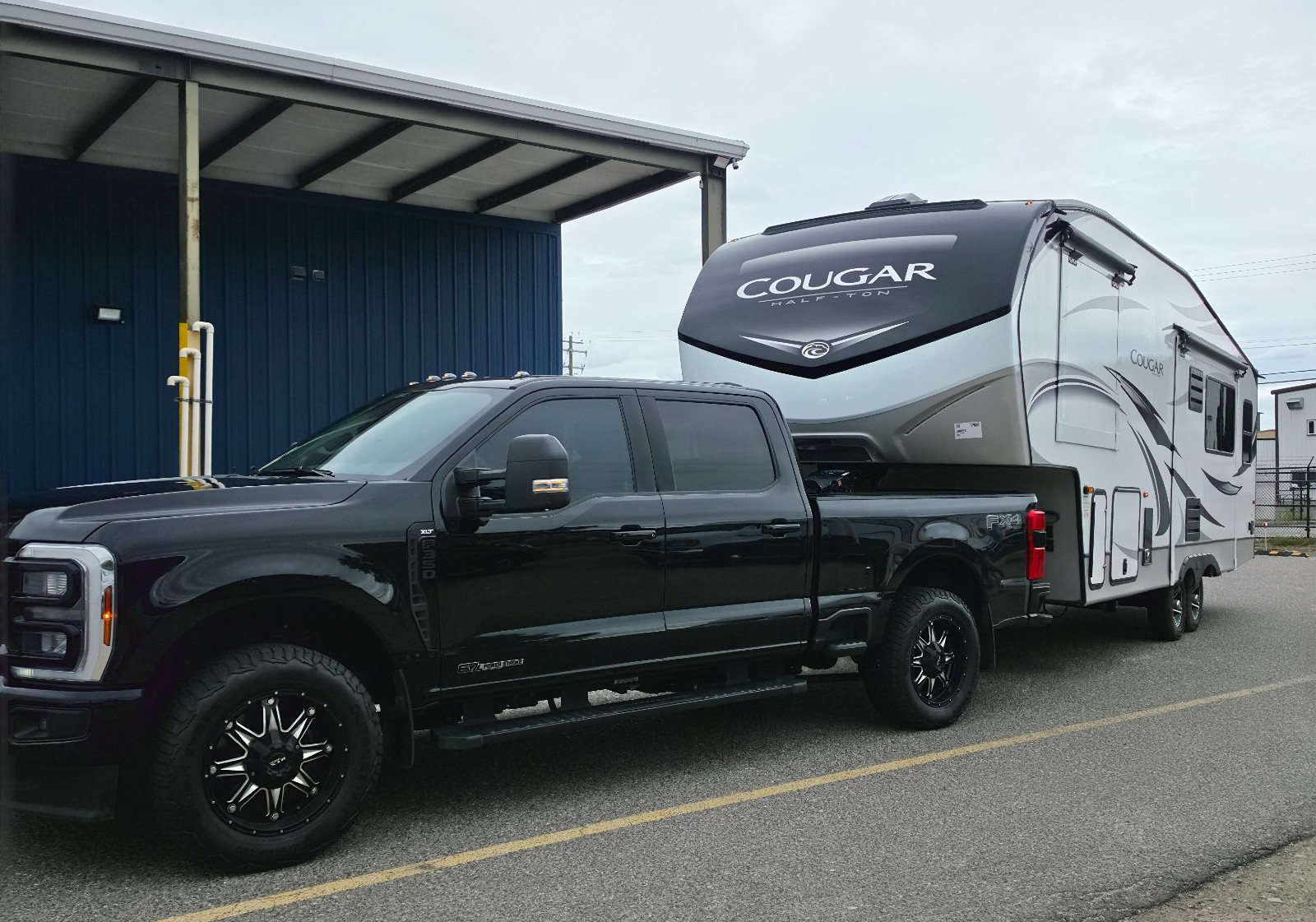
The biggest problems with RV transport usually start before the trailer ever moves. A cabinet door swings open, a battery is left connected, a slide is not fully seated, or the pickup location is too tight for safe loading. If you are figuring out how to prepare an RV for transport, the goal is simple: make the unit safe to move, easy to inspect, and ready for a clean handoff.
That matters whether you are picking up a new trailer from a dealer, moving a fifth wheel to a seasonal site, or sending your RV to a service shop. Good prep saves time, avoids damage, and makes the whole job smoother for everyone involved.
How to prepare an RV for transport without last-minute problems
Start with the basics inside the unit. Anything that can shift, bounce, or swing open on the road needs attention. Even a well-built RV flexes in transit, and what feels secure at a campsite may not stay that way over a few hundred miles.
Remove or firmly secure loose items from countertops, tables, bunks, and floors. Kitchen gear, coffee makers, small appliances, and décor should be packed away. If you leave items in cabinets, make sure they are not stacked in a way that can break or force doors open. Heavy objects should sit low and stable, not in overhead storage.
Next, lock down moving components. Close and latch all cabinet doors, drawers, shower doors, and interior sliding doors. Stow the TV if it is on an adjustable mount. Lower antennas and confirm roof vents, skylights, and windows are fully shut. If your RV has retractable steps, awnings, or stabilizers, bring them in completely.
Slides deserve extra attention. They need to be fully retracted and sealed. If a slide is even slightly out of position, it can create clearance issues, stress seals, or let water in if weather turns during transport. If you have any doubt, check the manufacturer instructions or have the slide operation verified before moving day.
Check the running gear before transport day
A lot of owners focus on the inside and overlook the parts that actually carry the load. Tires, wheels, bearings, lights, brakes, and suspension matter more than almost anything else when a towable RV is headed down the highway.
Inspect the tires for cracks, bulges, uneven wear, and age. Tread depth matters, but old tires can be a problem even when the tread looks fine. If the tires are aged out or questionable, replace them before scheduling the move. Set tire pressure to the manufacturer recommendation for transport conditions, not just whatever looks right by eye.
Wheel lug nuts should be properly torqued. If the RV has been sitting for a season, or longer, this is not a detail to guess on. Bearings and brakes should also be in serviceable condition. If you already know a hub is running hot, a brake is dragging, or an axle issue exists, deal with it before transport. Professional hauling helps reduce stress, but it does not cancel out neglected maintenance.
Make sure all exterior lights work, including brake lights, running lights, and turn signals. If the trailer has a battery disconnect, know how the lighting system is set up so the transporter is not troubleshooting preventable electrical issues at pickup.
Fluids, propane, and battery setup
One of the most common questions is what to do with tanks and utilities. The short answer is this: keep things simple and reduce unnecessary weight.
Empty the freshwater, gray, and black tanks unless there is a specific reason not to. Full or partly full tanks add weight and can shift during travel. That extra weight affects handling and puts more strain on the suspension and tires. A small amount of clean water may be fine in some cases, but a full load is usually not worth it.
Turn off propane at the cylinders. Make sure the cylinder valves are closed and the tanks are secured in place. If you have removable bottles, confirm the mounts and cover are tight. You do not want anything loose at the front of the trailer.
For the battery, it depends on the trailer setup and the transport plan. In many cases, disconnecting the battery is the safest move, especially if there are concerns about parasitic drain or systems powering on during transit. That said, some lighting or breakaway setups may rely on battery condition, so this is one of those areas where it pays to confirm expectations ahead of time rather than assume.
Secure the exterior and watch your clearances
Walk around the RV and look at it like it is about to handle wind, weather, vibration, and fuel stops. Because it is.
Check baggage doors, propane covers, front storage lids, and rear access panels. Lock them if they have working locks. If a latch is weak or damaged, fix it before transport. Temporary tape jobs rarely hold up the way people expect, especially over longer runs.
Take off or secure accessories that can catch wind or bounce. Portable generators, coolers, bike racks, cargo trays, and aftermarket add-ons should be removed if they are not solidly mounted and approved for road travel. The same goes for loose spare parts, hoses, and leveling blocks.
Height and width matter too. Most standard travel trailers and fifth wheels fall within normal transport dimensions, but rooftop accessories can change that fast. Satellite domes, aftermarket racks, solar accessories, and AC shrouds should be checked for condition and clearance. If the unit has any unusual modifications, mention them before the move. Surprises are what slow jobs down.
Paperwork and handoff details
Transport day goes better when the paperwork is ready and the pickup contact knows what is happening. That sounds basic, but it is where a lot of unnecessary delays show up.
Have registration, plate information if required, and any pickup or drop-off instructions organized in advance. If the trailer is coming from a dealership, service center, storage yard, or seasonal site, make sure access has been approved and that the right people know the timing. Locked gates, limited office hours, and site restrictions can turn an easy handoff into a long wait.
It also helps to document the RV condition before transport. Take clear photos of all sides, the roofline if practical, the hitch area, wheels, and any existing marks or cosmetic damage. This protects everyone and keeps expectations clear.
If you are not meeting the transporter in person, leave a concise contact sheet with your phone number, destination contact, gate codes, and any known quirks. If the front jack is slow, the battery switch is hidden, or one storage latch sticks, say so upfront.
Prepare the pickup and delivery locations
The RV may be road-ready, but the location can still be the problem. Tight driveways, soft ground, low branches, and narrow lot roads are common issues.
Look at the pickup site from the road in. Is there enough room to line up, hitch, and pull out safely? Are there steep transitions, overhead obstacles, or mud that could complicate the move? If the answer is maybe, raise it before the appointment. The same goes for delivery.
This is especially relevant for seasonal sites, storage lots, and rural properties. A transporter can handle a lot, but there are times when a nearby meeting point is the smarter option. It depends on the unit size, road access, and ground conditions. Being realistic about site access prevents frustration on both ends.
A few things owners forget
There are always a few details that get missed. Refrigerator doors should be latched. Toilets and shower doors should be secured. Keys should be available for entry doors, storage compartments, and wheel locks if installed. Hitch components specific to the unit should be discussed ahead of time, especially with fifth wheels.
It is also smart to check that the VIN is visible and that the plate, if applicable, is mounted properly. If the RV has been in storage for a while, look for rodent damage to wiring or underbelly components. A trailer that has sat untouched can hide problems you will not notice until moving day.
For owners in British Columbia or Alberta, ferry schedules, mountain routes, and long-distance weather can add timing considerations. That does not change the preparation steps, but it does make good coordination more valuable. A company like GoMax RV plans around those realities every day, which is exactly why many owners choose professional transport instead of handling the move themselves.
Preparing an RV for transport is really about removing avoidable risk. When the unit is cleaned up, secured, mechanically ready, and easy to access, the move is faster and far less stressful. Do the simple things well, communicate the details that matter, and the whole transport process tends to go the way it should.
Comments are closed