

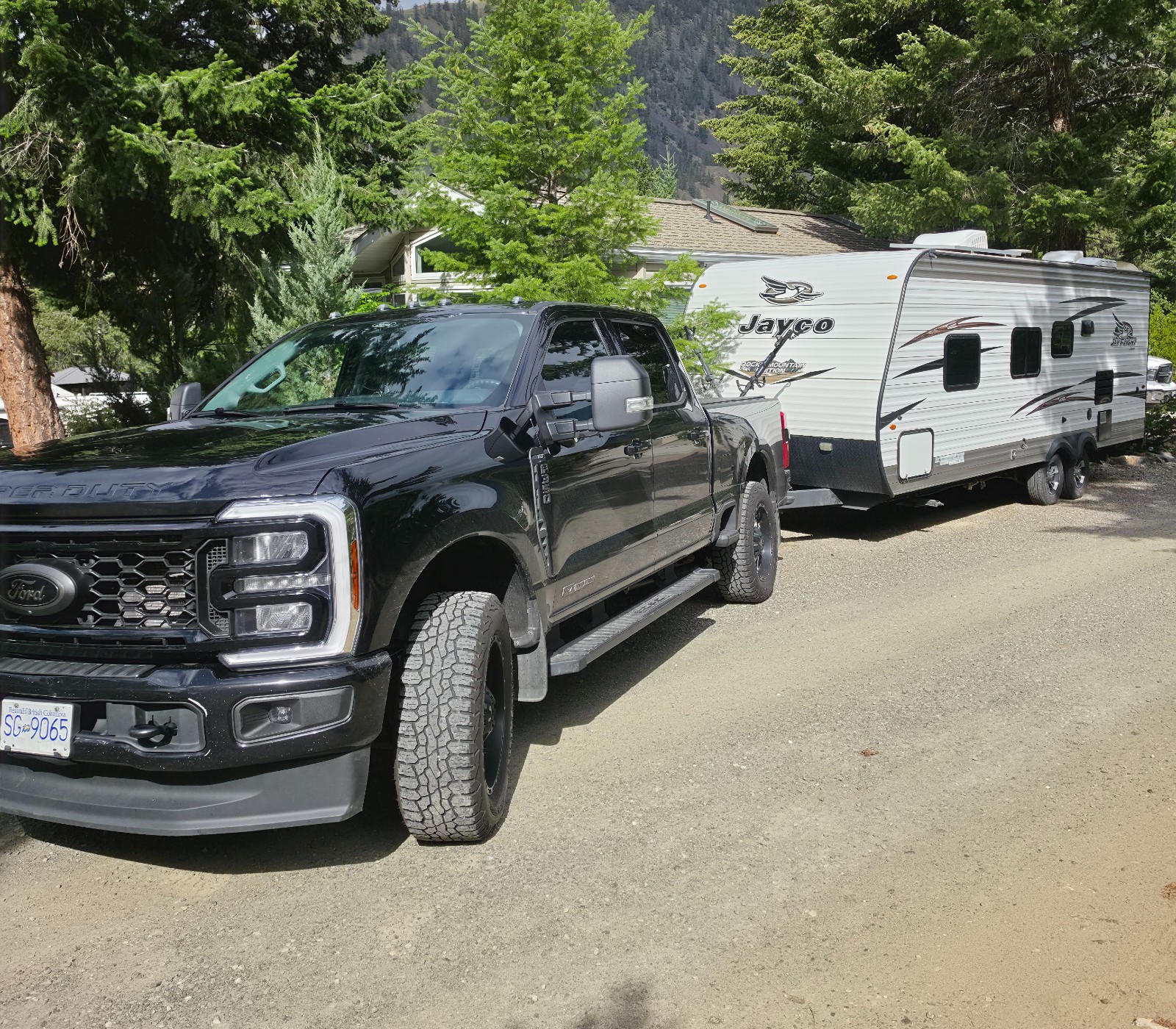
You sign the paperwork, get the keys, and then the real question shows up fast – how to transport an RV after purchase without turning delivery day into a stressful, expensive problem. For a lot of buyers, the issue is not buying the RV. It is getting it from the dealer, seller, or storage yard to the place it actually needs to be.
That matters more than many first-time buyers expect. A travel trailer or 5th wheel may be ready to go on paper, but moving it safely takes the right equipment, the right experience, and a clear plan for pickup and delivery. If you do not already own a properly equipped tow vehicle, trying to figure it out at the last minute can get costly in a hurry.
How to transport an RV after purchase without headaches
The first step is simple. Figure out whether you are transporting the RV yourself or hiring a professional transporter. That decision affects everything else, including insurance, timing, dealership coordination, and what kind of equipment is needed.
If you already have a truck with the right towing capacity, brake controller, hitch setup, and mirrors, self-transport may be reasonable for a shorter and familiar route. But even then, it depends on the size of the RV, your comfort level, and where it needs to go. A straight highway run is one thing. Tight city streets, mountain grades, ferry schedules, or backing into a seasonal site are something else entirely.
If you do not already have the right setup, hiring a professional is usually the more practical choice. Buying or renting a heavy-duty truck for a one-time move rarely makes financial sense. The same goes for learning how to handle a large towable RV on delivery day.
Start with the RV itself
Before transport is booked, confirm the exact specs of the unit. You want the overall length, weight, hitch type, and whether it is a travel trailer or a 5th wheel. Do not rely on rough estimates. Transport planning depends on real numbers.
This is especially important when buying from a dealership or a private seller. Ask for the VIN, make, model, and any notes about aftermarket add-ons that affect height, width, or weight. A front storage rack, upgraded batteries, a generator, or cargo loaded inside can all change how the move should be handled.
You should also confirm that the RV is road-ready. That means the tires are in usable condition, the wheel bearings and brakes are serviceable, the breakaway system is working, and the lights are operational. If the unit has been sitting for a while, this step matters even more. A sold RV is not always a ready-to-haul RV.
Dealer pickup is usually easier if you plan ahead
A lot of transport issues happen because pickup is treated like a quick errand instead of a scheduled handoff. If the RV is coming from a dealership, coordinate the timing early. Dealers often need prep time, paperwork clearance, and notice before release.
Ask what has to happen before the unit can leave the lot. Is the pre-delivery inspection complete? Are plates or temporary permits required? Will the batteries be installed and charged? Are loose items secured inside? If the RV is being delivered directly to a campsite, storage location, or your home, make sure the dealer knows that from the start.
Professional delivery also helps if you cannot be at the dealership in person. In those cases, it is worth confirming who will sign release paperwork, what condition photos will be taken, and whether there are set pickup windows. Clear communication prevents delays and avoids the usual last-minute confusion.
Insurance and licensing are not small details
When people think about how to transport an RV after purchase, they often focus on the route and forget the legal side. That is a mistake. Before the RV moves, you need to know how insurance applies during transport and who is responsible while it is in transit.
If you are moving it yourself, speak with your insurer before pickup day. Do not assume the RV is fully covered just because you bought it. Coverage may depend on when the policy starts, where the unit is being moved from, and whether the trip is personal pickup, seasonal relocation, or delivery from a seller.
If you are hiring a transporter, ask direct questions. Are they properly licensed for the work they do? Do they carry insurance for RV transport? What kind of documentation can they provide? A serious operator should be able to answer that quickly and clearly.
That matters even more with larger units and longer routes. Experience is not just about being able to pull a trailer down the road. It is about handling pickup logistics, paperwork, site access, road conditions, and the kind of small problems that come up on real jobs.
Route planning depends on more than distance
The shortest route is not always the best route for an RV move. Road grades, fuel access, lane widths, weather, ferry timing, and destination access can all affect how the trip should be planned.
For example, a route that looks fine on a map may include narrow service roads, steep campground approaches, or low-clearance concerns near the final destination. If the RV is being dropped at a seasonal lot, it also helps to confirm arrival instructions in advance. Some parks have restricted check-in hours, assigned access roads, or site conditions that make delivery easier at certain times of day.
In western Canada, route planning can get more complicated when mountain travel or ferry coordination is involved. That is where working with an operator who regularly moves towable RVs can save time and prevent bad surprises. Timing, staging, and destination access all matter just as much as the drive itself.
When hiring a professional makes the most sense
There are a few situations where professional transport is usually the better call. One is when the buyer does not own a suitable tow vehicle. Another is when the trip is long enough that fuel, lodging, rental costs, and travel time start adding up.
It also makes sense when the RV is going somewhere awkward – a seasonal site, a storage compound, a service center, or a ferry-served destination. Those moves are not impossible to handle yourself, but they are easier when the person doing the hauling has dealt with those conditions before.
A lot of owners also choose professional transport simply because they want the convenience. They would rather drive their own SUV or family vehicle and meet the RV at the destination than spend a day or two managing a large trailer on unfamiliar roads. That is not laziness. It is just a practical decision.
For buyers in British Columbia or Alberta, this often comes up right after a dealership purchase or before a seasonal move. Companies like GoMax RV are built around that exact need – moving travel trailers and 5th wheels safely, efficiently, and without forcing the owner to solve the whole logistics problem alone.
What to have ready before delivery day
Whether you hire a transporter or not, good prep makes the move smoother. The unit should be cleared for release, insured as needed, and ready to travel. Keys, paperwork, gate codes, site instructions, and contact numbers should all be organized ahead of time.
It also helps to think about what happens after arrival. If the RV is going to a seasonal lot, will someone be there to receive it? If it is being dropped at your home, is there enough access and turning space? If it is headed to storage or service, have you confirmed business hours and delivery instructions?
These are small details, but they affect timing, cost, and whether the delivery goes smoothly. Most transport problems are not caused by the road. They are caused by poor coordination at pickup or destination.
The cheapest option is not always the lowest-cost option
This is where buyers sometimes get tripped up. On paper, self-transport can look cheaper. But once you add truck rental, fuel, hitch setup, time off, possible overnight stays, and the risk of handling a large trailer without much experience, the math can change quickly.
Professional transport has a clear cost, but it also removes a lot of hidden costs. You are not buying equipment for a one-time move. You are not putting yourself in a stressful towing situation. And you are not trying to solve licensing, route planning, and destination access on the fly.
That does not mean hiring a pro is always the answer. If you already have the right truck, know the route, and are comfortable with the RV, doing it yourself may work fine. But if any part of that feels uncertain, it is worth pricing out delivery before assuming the do-it-yourself route is the better deal.
Buying the RV is the easy part. Getting it where it needs to go is where a little planning pays off, and the right transport choice can save you a lot more than money.
Comments are closed