

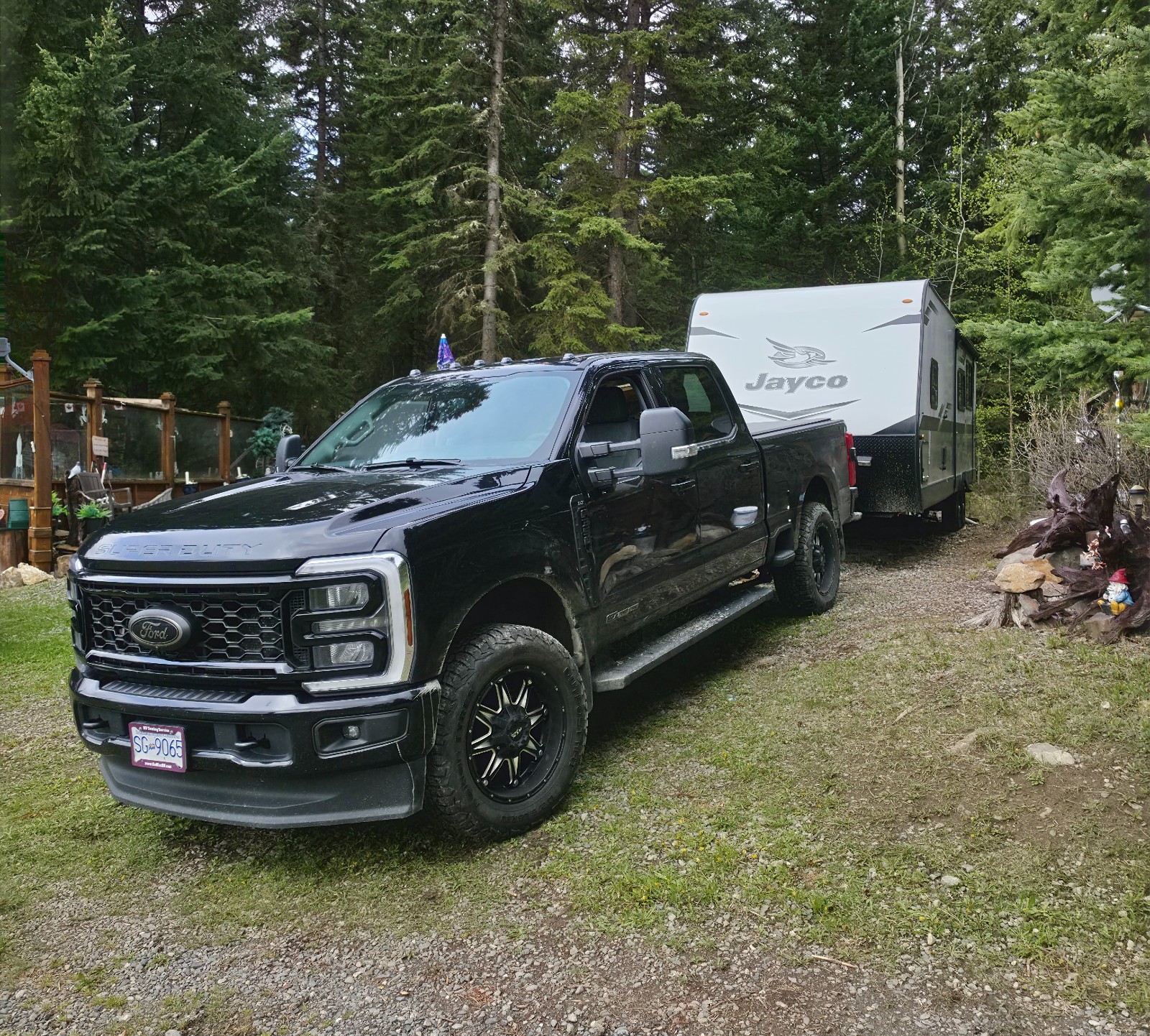
A camper trailer can feel manageable sitting in the driveway. It feels very different when it is hooked up, loaded, and rolling through traffic, mountain grades, fuel stops, and tight campground roads. If you are wondering how to move a camper trailer safely, the real answer starts well before departure. Safe transport depends on matching the trailer to the right equipment, confirming the paperwork, securing the unit properly, and being honest about your experience level.
For many owners, that last part is the one that matters most. Buying the trailer is one decision. Moving it without damage, delays, or road stress is another.
How to move a camper trailer safely starts with the right match
The biggest mistake people make is assuming that if a trailer can be pulled, it can be moved safely by any capable driver with a hitch and a strong enough vehicle. That is not how it works in practice. Published tow ratings are only part of the picture. You also have to account for loaded trailer weight, tongue weight, hitch setup, brake controller function, tire condition, and how stable the combination will be once you are on the road.
A trailer that feels acceptable on a flat local road can become a very different job in crosswinds, on long descents, or in stop-and-go traffic. Weight distribution matters. So does trailer length. So does the fact that many owners are moving a unit only once or twice a year and do not spend enough time on the road to build confidence with backing, lane changes, and braking distances.
If your trailer is near the upper limit of what your setup can handle, that is not a small detail. It is usually the point where risk starts climbing quickly.
Before moving day, inspect the trailer like it is going on a long trip
Even a short move deserves a proper pre-transport inspection. A camper trailer that has been parked for a season can develop issues that are easy to miss until you are already moving. Tires may look fine but have age cracking. Wheel bearings may be overdue for service. Battery connections may be loose. Exterior compartments may not latch as firmly as you think.
Start with the tires. Check pressure when cold and confirm the tire load rating is appropriate for the trailer. Then inspect tread, sidewalls, valve stems, and the date code. Trailer tires often age out before they wear out. That matters on highway runs and especially on warm pavement.
Next, look at the wheels, lug nuts, suspension components, lights, breakaway cable, safety chains, coupler, jack, and trailer brakes. Test the running lights, brake lights, and turn signals. Make sure every exterior hatch, entry door, and window is fully secured. Retract stabilizers and steps. Lock down anything that could shift or swing open.
Inside the trailer, secure loose items, latch cabinets, and put heavier cargo low and balanced over the axles where appropriate. A trailer loaded badly can tow worse than a heavier trailer loaded correctly.
Weight and balance are where safe moves are won or lost
A lot of transport problems come back to one issue: poor loading. Too much weight behind the axles can increase sway. Too much weight on the tongue can overload the hitch or rear axle. Filling every storage compartment without thinking about balance can change how the trailer responds under braking or when a gust hits the side.
You want the load distributed in a way that keeps the trailer planted and predictable. Water tanks are part of this equation too. Depending on the trailer and the trip, traveling with full, partial, or empty tanks can change weight and balance significantly. There is no one-size-fits-all answer. It depends on tank location, total payload, road conditions, and distance.
That is why safe transport is not just about whether the trailer can be moved. It is about whether it can be moved under control, with margin for weather, road conditions, and unexpected stops.
Route planning matters more than most owners expect
People often focus on the hookup and forget the route. The route is where the real work happens. Low clearances, steep grades, tight fuel stations, narrow access roads, ferry schedules, construction delays, and urban traffic can all turn a simple move into a difficult one.
The safest route is not always the shortest. Sometimes a slightly longer route with better turns, wider access, and less congestion is the better call. If the destination is a seasonal site, storage yard, dealer, or service center, access on arrival matters just as much as the highway portion. A difficult final approach is where a lot of stress shows up.
This is especially true in parts of British Columbia, where mountain travel, ferry coordination, and changing weather can make trailer transport more technical than it looks on a map. Timing the trip properly can make a real difference.
Weather changes the safety equation fast
Wind is one of the biggest factors in trailer movement, and it is often underestimated. A large camper trailer has a lot of side area, and even a good setup can feel unsettled in strong gusts. Rain reduces visibility and traction. Heat raises tire risk. Early or late season travel can add frost, snow, or black ice in higher elevations.
Sometimes the safe decision is simply not to move that day. That can be frustrating, especially when delivery timing matters, but pushing ahead in poor conditions is rarely worth it. Experienced haulers know that schedule pressure is one of the fastest ways to create preventable problems.
Experience counts, especially with larger trailers
There is a difference between owning a camper trailer and being prepared to move it safely. If you are new to RV ownership, picking up a unit from a dealer and taking it straight onto busy roads can be a rough introduction. The same goes for moving a trailer into a seasonal site with limited room to maneuver.
Larger travel trailers and 5th wheels require calm, accurate handling. Braking distances are longer. Lane positioning matters more. Backing takes practice. Tight turns can catch curbs, signs, or posts faster than most first-time owners expect.
This is where many owners decide that doing it themselves is not actually the most practical option. If you do not already have the right truck, the right hitch setup, and the towing experience to handle the route comfortably, hiring a professional can be the safer and more cost-effective move.
When professional transport makes the most sense
There are a few situations where handing the job off is usually the smart call. A new purchase is one of them. Another is a long-distance relocation. Seasonal site moves, service appointments, ferry travel, and one-way moves also tend to be better handled by someone who does this regularly.
The benefit is not just avoiding the drive. It is avoiding the full chain of problems that come with trying to make your personal vehicle, your schedule, and your experience level fit a job they were not built for. A professional transporter understands trailer handling, route planning, secure hookup procedures, and arrival logistics. Licensing and insurance matter here too. They are not just fine print. They are part of what protects your trailer and gives you confidence that the move is being handled properly.
For owners who want the trailer delivered while they drive their own SUV or car separately, this option also removes a lot of stress from the day.
A practical checklist for safe camper trailer transport
If you are planning a move, keep the process simple. Confirm the trailer’s actual weight, inspect tires and running gear, test lights and brakes, secure the interior and exterior, review the route, and check the weather. Then ask the harder question: is your equipment and experience truly a good match for this move?
If the answer is maybe, that usually means stop and reassess. Safe trailer movement is about margin, not optimism.
At GoMax RV, this is exactly why many owners choose professional delivery for travel trailers and 5th wheels. They want the unit moved carefully, legally, and without turning the day into a stressful learning experience.
A camper trailer is supposed to get you to the part you enjoy. If moving it feels like the riskiest part of ownership, it is worth choosing the safer path before the trip even starts.
Comments are closed