

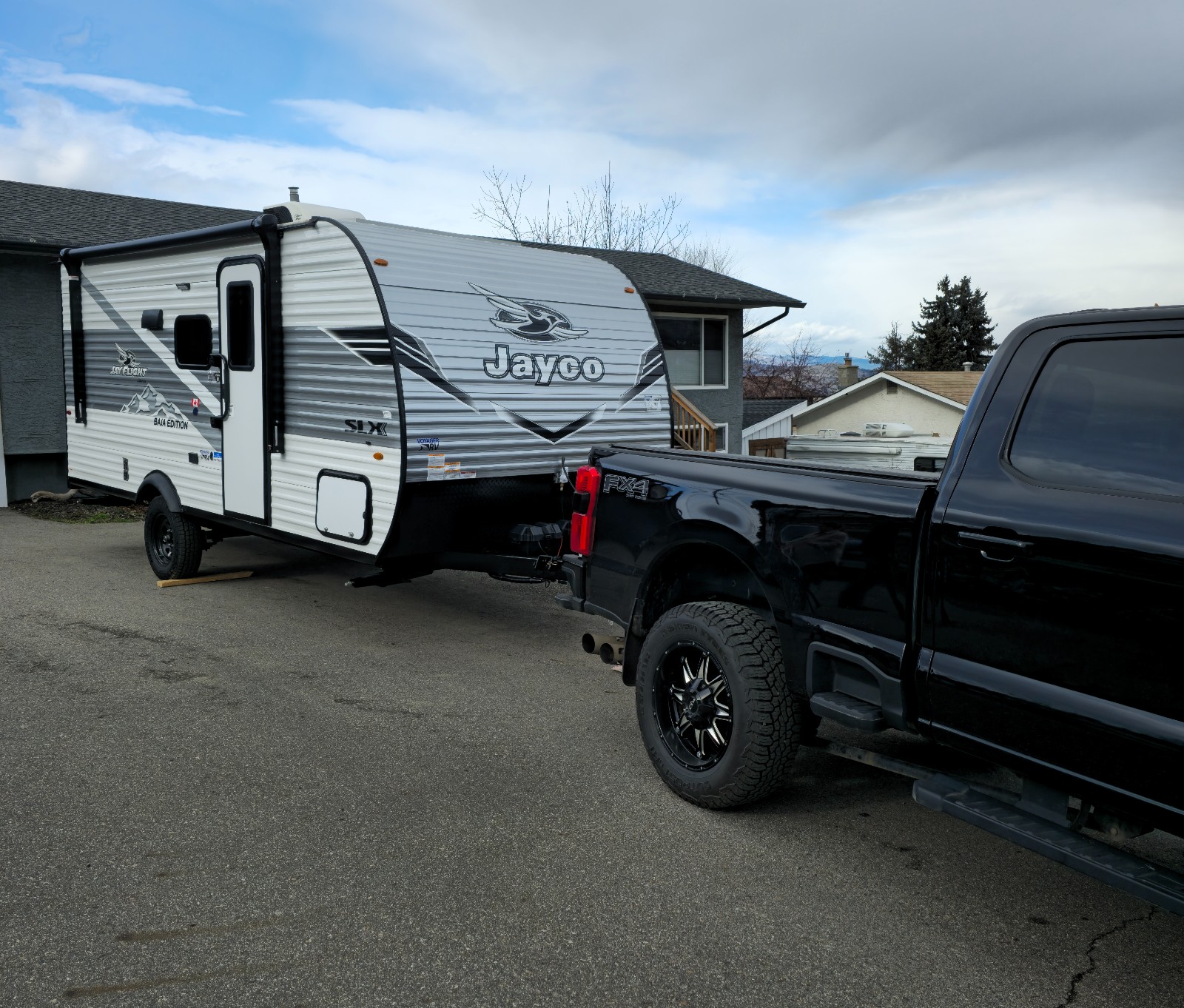
Sticker shock usually hits at the wrong moment – right after you buy the trailer, right before you need it moved, or when your seasonal site opens sooner than expected. RV towing service cost is not one fixed number, and that is exactly why so many owners get frustrated trying to budget for it.
The truth is simple. The price depends on what is being moved, how far it is going, how complicated the route is, and how much coordination the job requires. If you own a travel trailer or 5th wheel and do not want to buy a heavy-duty tow vehicle just to move it a few times a year, paying for professional transport can be the more practical choice.
What affects RV towing service cost
Distance is the starting point, but it is not the whole story. A short move through a tight urban area with difficult access can take more time and planning than a longer, straightforward highway run. That is why experienced haulers look at the full job, not just the mileage.
Trailer type matters too. A lightweight travel trailer is a different assignment than a large 5th wheel with added height, weight, and hitch requirements. Size affects fuel use, equipment, route planning, and sometimes even which roads make sense.
Pickup and delivery conditions also change the price. If the unit is stored in a cramped lot, parked on soft ground, blocked in by other RVs, or heading to a site with narrow internal roads, the move may take more time than expected. A clean, easy hookup at both ends generally costs less than a job that involves delays, repositioning, or extra coordination on arrival.
Timing can also move the number. Peak camping season, long weekends, dealership rush periods, and seasonal relocations all put more pressure on scheduling. If the move is flexible, there may be more room to align timing and route efficiently.
Typical pricing ranges for RV transport
If you are trying to ballpark RV towing service cost, the safest answer is this: local moves are usually priced very differently from regional or interprovincial transport. A short haul may be quoted as a minimum service charge or flat rate, while longer jobs are often built around distance, route complexity, and trailer specs.
For example, moving a trailer across town or from a dealership to a nearby storage site may cost far less than hauling the same unit several hundred miles to a seasonal destination. Likewise, a direct route on major highways is generally more predictable than a route involving mountain travel, ferry coordination, or multiple delivery appointments.
This is why generic online averages are only partly helpful. They can give you a rough idea, but they do not reflect your exact trailer, your route, or the actual pickup and drop-off conditions. For a useful number, you need a real quote based on the move itself.
Why distance alone does not tell the whole story
Owners often assume that pricing should work like a simple per-mile calculation. Sometimes that is part of the formula, but it is rarely the entire formula.
A 100 KM move with difficult access, waiting time, and site coordination can cost more than a 150-mile move that is straightforward from start to finish. The hauler is not just covering road miles. They are covering time, equipment use, driver planning, scheduling, and the risk involved in transporting a large towable unit safely.
That matters even more with travel trailers and 5th wheels. These are not small loads, and they are not all the same. Weight distribution, overall length, road conditions, and destination access all affect how the move gets priced.
Extra factors that can raise the quote
Some jobs are easy. Others come with added logistics that increase the final cost.
Ferry travel is one example. If your trailer is headed to or from Vancouver Island, ferry charges, sailing times, and loading schedules can affect both pricing and availability. That is not an unusual situation in this region, but it does require planning.
Seasonal site delivery is another. Some campgrounds and RV parks have check-in windows, escort rules, internal speed restrictions, or limited arrival hours. If access depends on office staff, gate codes, or a site guide, that coordination becomes part of the job.
Service-related transport can also be more involved than owners expect. If the trailer needs to be delivered to a repair shop, warranty center, or inspection location, timing may need to match business hours exactly. A missed handoff can create delays that impact cost.
Then there is trailer readiness. If tires are in poor shape, wheel bearings are questionable, lights are not working, or the unit is not road-ready, those issues need to be addressed before transport. Professional haulers are there to move the RV safely, not gamble with an unsafe unit.
How to compare quotes the right way
The lowest number is not always the best value. With RV transport, a cheaper quote can leave out details that matter once the move is underway.
Ask what is actually included. Does the price cover pickup, delivery, hookup, and basic scheduling coordination? Are there additional charges for waiting time, ferry fees, route changes, or difficult access? Is the transporter properly licensed and insured for the type of RV being moved?
Those questions matter because your trailer is a major asset. Saving a little money upfront does not help if the provider lacks experience with towable RVs, cuts corners on insurance, or is vague about how the move will be handled.
A solid quote should feel clear and grounded in real operating conditions. It should reflect the unit, the route, and the actual work involved.
When paying for transport makes more financial sense
A lot of owners focus only on the transport invoice. That is understandable, but it is not the full financial picture.
If you do not already own the right tow vehicle, the cost of moving the RV yourself can climb fast. There is the truck itself, fuel, added wear, insurance, maintenance, and the time spent handling pickup, road planning, fueling stops, and site maneuvering. For owners who move a trailer only occasionally, that math often points toward hiring the job out.
This is especially true for new buyers. If you just purchased a trailer and do not want the first trip to be a high-stress lesson in towing, professional delivery can be the cleaner option. The same goes for seasonal moves, service appointments, and one-way relocations where convenience matters as much as price.
For many owners, the real value is not just in the haul. It is in avoiding the stress, equipment costs, and logistical headaches that come with doing it themselves.
How to keep your RV towing service cost under control
The easiest way to control price is to make the move simple. Have accurate trailer details ready, including length, type, and pickup and drop-off addresses. Be upfront about access issues, timing restrictions, and anything unusual about the site.
Flexibility helps too. If your dates are not locked in, there may be opportunities to schedule the move more efficiently. Combining timing with an existing route or return haul can sometimes reduce the overall cost, depending on availability.
It also helps to have the unit ready before the transport date. Good tires, working lights, secure contents, and clear access at pickup can prevent delays that turn into added charges.
Most of all, get a quote early. Last-minute transport is sometimes possible, but rushed scheduling usually gives you fewer options.
What to have ready when requesting a quote
The more complete your information, the more accurate the quote will be. At minimum, be ready with the trailer type, overall length, and exact pickup and destination locations. If the site has narrow roads, steep grades, limited turnaround space, or access-hour rules, say so upfront.
It also helps to mention whether the move is from a dealership, storage yard, campground, residence, or service center. Those details shape timing and delivery planning.
Companies that specialize in towable RVs, like GoMax RV, can usually spot the important details quickly, but accurate customer information still makes the process smoother and the pricing more reliable.
The best moves are the ones that are priced clearly, scheduled properly, and handled by someone who knows what they are doing. If you need your trailer moved, the right quote is not just about cost – it is about knowing the job will be done safely, on time, and without turning your day into a mess.
Comments are closed