

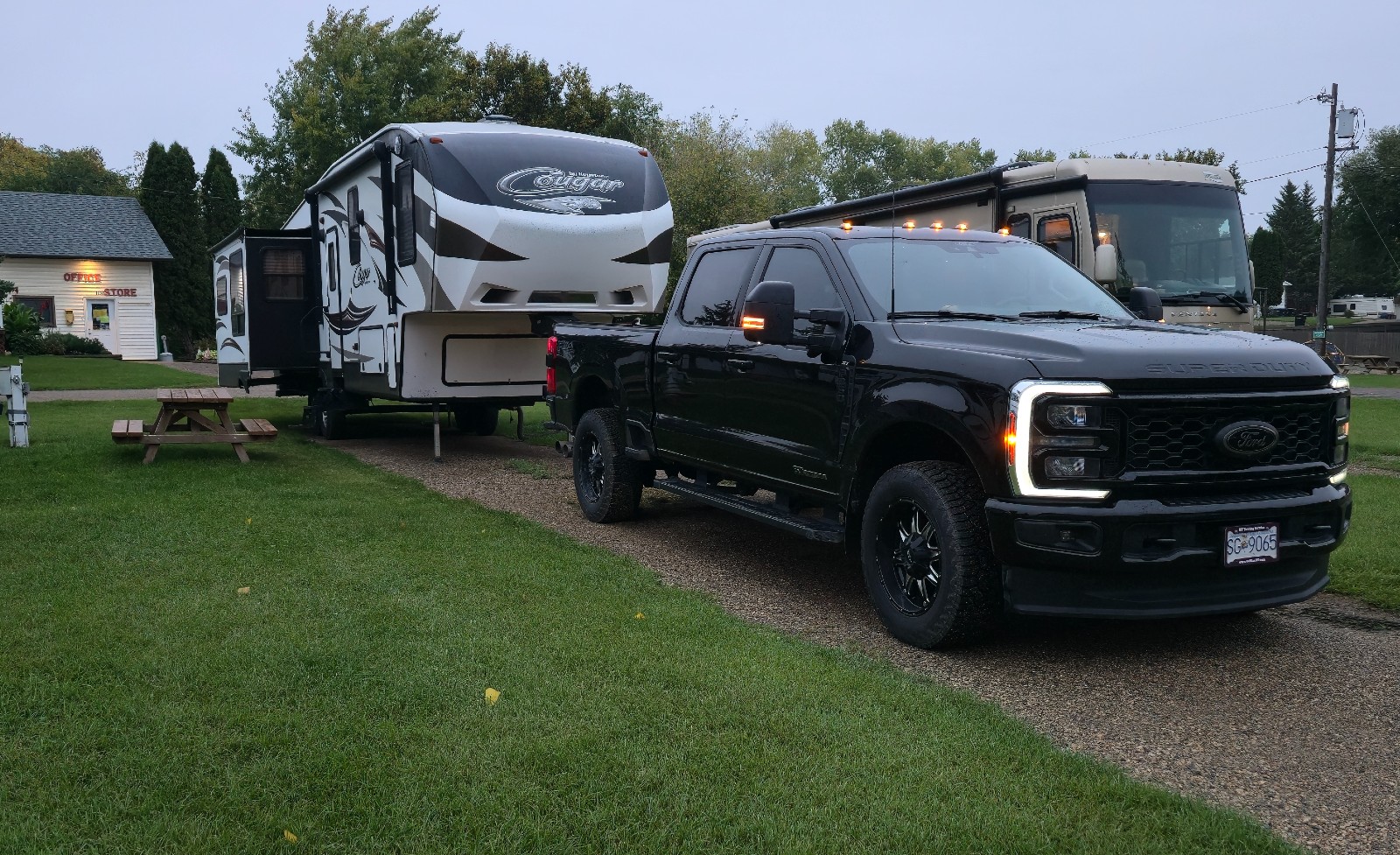
That first move to a seasonal lot usually sounds simple until you start thinking through the actual haul. Seasonal rv site relocation means more than getting a trailer from point A to point B. It means timing, access, site conditions, trailer prep, and making sure the unit arrives without damage or last-minute surprises.
For a lot of owners, the real issue is not whether the RV can be moved. It is whether they want to deal with the truck requirements, route planning, backing into a tight site, fuel stops, or ferry timing if the destination adds another layer of logistics. That is where professional transport makes sense. You keep the RV lifestyle without taking on the hardest part of moving the unit.
What seasonal rv site relocation really involves
A seasonal move is different from a casual weekend tow. In many cases, the RV is going to a fixed site for months at a time, which means the delivery matters more. If the trailer arrives late, the site may not be ready. If the unit is not set up properly for transport, small problems can turn into repairs. If access is tight, getting the trailer placed correctly on the first attempt saves time and frustration.
Owners often underestimate how many moving parts are involved. Campgrounds and private seasonal lots may have check-in windows, road restrictions, soft ground after rain, narrow internal roads, or rules about delivery timing. Some sites are easy pull-throughs. Others require careful backing and a driver who understands trailer swing, slope, and clearance.
That is why seasonal RV site relocation is usually less about mileage and more about execution. A short move can be more complicated than a long one if the site is difficult to access.
Why owners hand this job off
The biggest reason is simple. Not everyone owns the right tow vehicle, and plenty of RV owners do not want one. Buying and maintaining a heavy-duty truck for a few trips a year rarely makes sense if the main need is a spring move in and a fall move out.
There is also the stress factor. Towing a travel trailer or 5th wheel is not hard for everyone, but it is a different skill set than everyday driving. Weather, traffic, grades, lane changes, fuel station access, and site placement all add pressure. For newer owners, one bad experience can take the fun out of RV ownership fast.
Professional hauling is often the practical middle ground. You still use your RV the way you want, but you do not have to manage the transport yourself. That matters even more when the unit is valuable, the route is long, or the destination is a seasonal property with limited access.
Planning a smooth seasonal RV site relocation
The best relocations start with good information. Before the move is booked, a transporter needs the basics: RV type, overall length, pickup and drop-off locations, and any known access issues. A 5th wheel headed into a wide resort road is one thing. A travel trailer going into a treed seasonal lot with a sharp turn is another.
Photos help more than most people expect. A few pictures of the trailer, the site entrance, and the final parking area can save a lot of guesswork. If there are low branches, soft gravel, steep grades, or tight corners, it is better to know that before moving day.
Timing also matters. Spring and fall tend to be the busiest seasons for these moves. Waiting until the last minute can limit availability, especially if your preferred date lines up with campground opening weekends or weather windows. If your site has a required delivery schedule, book early and confirm details with the park before transport day.
How to prepare the trailer before pickup
A properly prepared trailer travels better and reduces the chance of delays. Most owners should start with the obvious basics: secure loose items inside, latch doors and compartments, retract awnings and steps, and make sure tires are in good condition. Batteries should be secured, and propane handling should follow transport requirements.
Weight distribution matters too. A trailer packed like it is already parked for the season is not always ideal for the road. Heavy gear should be stored low and secured. Water and waste tanks should be addressed based on transport needs and route conditions. In many cases, traveling with full tanks adds unnecessary weight.
It is also smart to check site-readiness before the unit leaves. If the destination pad is not cleared, leveled, or accessible, the driver may arrive on time and still have nowhere to safely place the trailer. That can turn a straightforward job into a reschedule.
Insurance, licensing, and the details that actually matter
This is where many owners should slow down and ask better questions. Seasonal RV site relocation is not just about finding someone willing to pull a trailer. You want to know the transporter is properly licensed, insured, and experienced with towable RVs specifically.
That matters because RVs are not all the same. Length, height, hitch type, axle setup, and site placement all affect the move. A transporter who understands travel trailers and 5th wheels is more likely to spot issues before they become expensive problems.
Insurance is another area where vague answers are not good enough. If someone is moving your RV, you should understand what coverage is in place during transport. Clear communication on responsibility, scheduling, and delivery expectations makes the whole process cleaner for everyone.
Regional factors that can change the job
In British Columbia and Alberta, route conditions can change the plan quickly. Mountain grades, weather shifts, construction delays, and seasonal road traffic all affect travel time. A route that looks simple on a map may need extra planning in real life.
If a move involves a ferry, that adds another scheduling layer. Ferry reservations, load timing, and terminal procedures can all affect delivery windows. For owners moving to or from Vancouver Island, that is one more reason to work with someone who already understands the process.
This is also where local experience helps. Site relocation is rarely just highway driving. The final stretch might involve narrow park roads, gravel approaches, or backing into a lot with limited room. Getting through that final part safely is what owners remember most.
When a cheaper option is not the better option
Price matters, but it should not be the only filter. A low quote can look good until you realize it does not account for scheduling reliability, insurance, route knowledge, or site access difficulty. Seasonal moves are time-sensitive. If the trailer does not arrive when expected, you may lose site access, setup time, or an entire weekend.
There is also the cost of mistakes. A rushed delivery, poor backing, or lack of prep can lead to body damage, tire issues, or undercarriage problems. Saving a little on the move does not help if the repair bill wipes that out.
A good transport job is usually defined by what did not go wrong. The trailer arrived on schedule. It was handled properly. It was placed where it needed to be. You did not spend the day white-knuckling a tow you never wanted to do in the first place.
Choosing the right hauling partner
If you are comparing providers, look for direct answers. Ask what types of RVs they move, what size limits they handle, how insurance works, and whether they have experience with seasonal lots. If your route includes ferries, mountain travel, or a difficult site, bring that up early.
The right company will not treat those details like minor footnotes. They will ask questions, explain what they need, and give you a realistic picture of timing and access. That kind of conversation usually tells you a lot about how the actual move will go.
For owners who want the job handled without guesswork, GoMax RV fits that practical need well. The focus is straightforward transport for travel trailers and 5th wheels, with the kind of route and site awareness that matters when the move is more than just a highway trip.
Seasonal camping should start with arriving at your site ready to enjoy it, not recovering from the stress of getting there. If the move is the part you have been dreading, handing it off is often the smartest part of the plan.
Comments are closed