

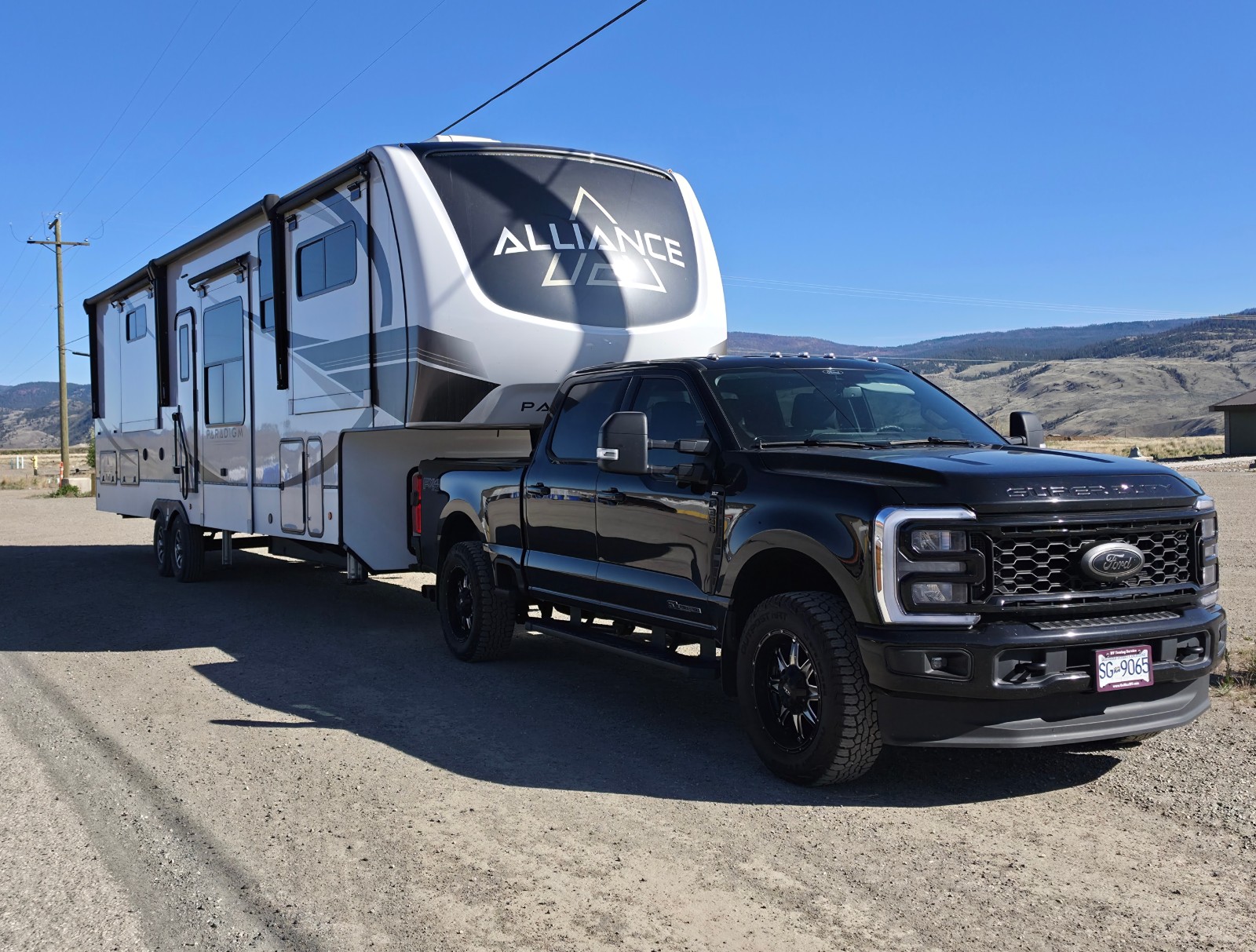
The moment you realize you need your RV towed, the questions pile up fast. Can it be moved from where it sits now? Does the destination have room to receive it? Do you need a heavy-duty truck, special insurance, or ferry planning? For most owners, the issue is not whether the RV can be moved. It is whether they want to deal with the time, equipment, and stress of doing it themselves.
That is usually where professional RV transport makes the most sense. If you own a travel trailer or 5th wheel and you are not set up to tow it properly, hiring an experienced hauler is often the simpler and safer option. It saves wear on your own vehicle, avoids expensive equipment decisions, and removes a lot of the road logistics that can turn a straightforward move into a long day.
When you need your RV towed
Some situations are obvious. You bought a new trailer at a dealership and do not own the right truck yet. You are moving to a seasonal site and would rather arrive in your own SUV with the family than spend the day hauling a long trailer through traffic. Or your unit needs to go to a service center for repairs, winterizing, or inspection.
Other situations are less dramatic but just as common. Maybe you are relocating to another city. Maybe the trailer has been sitting in storage and now needs to be moved to a campsite or private property. Maybe you are comfortable towing short distances, but not through mountain routes, busy urban areas, or ferry terminals. Those are all valid reasons to bring in a professional.
There is also the cost angle. A lot of owners do the math and realize buying a tow-capable truck for occasional use makes little sense. Once you add the purchase price, fuel, maintenance, hitch setup, and insurance, professional transport starts to look like the more practical option.
Why professional RV towing is different
Moving a towable RV is not just a matter of hooking up and driving away. Trailer length, axle condition, pin weight, hitch type, route planning, and delivery access all matter. A 5th wheel has different requirements than a travel trailer. A move from a dealership lot is different from pulling a unit out of a tight storage yard. A delivery to a rural seasonal site can involve soft ground, narrow roads, or limited turnaround space.
That is why experience matters. An operator who handles towable RVs regularly knows what to look for before the trip starts. They check the practical details that owners often do not think about until the last minute, like tire condition, clearance issues, battery status, and whether the receiving site can actually take the unit on the day of delivery.
Insurance and licensing matter too. If you are handing over a valuable trailer or 5th wheel, you want to know the move is being handled properly. That means working with someone who is set up for RV transport, not someone making guesses with a pickup and a promise.
What affects the cost if you need your RV towed
Price depends on more than mileage. Distance is a big factor, but it is not the only one. The type of RV matters, because a 5th wheel and a travel trailer require different towing setups. The size of the unit matters too, especially as length and weight increase.
Pickup and drop-off conditions can change the quote. Easy highway access is one thing. A tight residential street, a muddy seasonal lot, a steep driveway, or a storage compound with restricted hours is another. Timing matters as well. If the move needs to happen around dealership schedules, campground check-in windows, service appointments, or ferry reservations, that coordination becomes part of the job.
In some cases, the cheapest quote is not the best value. If a low price comes with vague insurance details, poor communication, or no clear understanding of your trailer type, it can cost more later in delays or damage risk. Most owners are better off focusing on whether the move will be handled safely, on schedule, and by someone who actually specializes in towable RVs.
How to prepare before the RV is moved
A smooth tow starts before the driver arrives. The more accurate the information, the easier it is to plan the move properly. That means knowing the RV make, model, length, and hitch type. If there are any known issues with tires, brakes, lights, landing gear, or suspension, mention them upfront.
It also helps to confirm what is inside the unit. While basic contents are common, an overloaded trailer can create safety problems. Loose items should be secured, slide-outs should be retracted, compartments should be latched, and site accessories should be packed away before pickup. If the destination has any limitations, like gate codes, tight access, soft ground, or restricted arrival times, that should be shared early.
A good transport provider will ask practical questions because those answers affect the route and the equipment needed. That is a good sign, not a hassle. It means the move is being planned instead of improvised.
Need your RV towed from a dealership, storage lot, or campsite?
These are some of the most common moves, and each one comes with its own challenges. Dealership pickups often require timing around paperwork, lot access, and handoff procedures. Storage lots may have narrow lanes or limited hours. Campsites and seasonal lots can be the trickiest because access conditions change with weather, site layout, and park rules.
This is where local route knowledge helps. In places like British Columbia and Alberta, terrain and travel conditions can shift quickly. Mountain roads, ferry schedules, weather changes, and remote site access all add variables. If the person moving your RV understands those realities, the job tends to go much smoother.
That regional experience is especially valuable for owners who do not want to deal with ferry coordination or long-haul towing across Western Canada. Companies like GoMax RV build their service around exactly those moves, which is different from treating RV transport like a side job.
When doing it yourself makes less sense
There is nothing wrong with towing your own RV if you have the right truck, the right experience, and a route you are comfortable with. But a lot of owners are not in that position. Some are new to RV ownership. Some only move the unit once or twice a year. Some are fine towing locally but do not want to handle a long trip, a major highway corridor, or an unfamiliar delivery site.
That is where it helps to be honest about the trade-offs. Doing it yourself can look cheaper at first, but the real cost includes fuel, setup, your time, and the stress of managing the whole trip. If you are buying a truck just to move the RV occasionally, the numbers get even harder to justify.
Hiring a professional is not about giving up control. It is about deciding where your time and money make the most sense. For many owners, the better choice is to let a specialist handle the move while they travel comfortably in their own vehicle and meet the RV at the destination.
What to ask before you book
Before you commit, ask direct questions. Make sure the company regularly transports travel trailers or 5th wheels like yours. Ask how insurance is handled. Ask what information they need for an accurate quote. If your route includes ferry travel, remote access, or seasonal site delivery, bring that up right away.
You should also ask about scheduling. Some moves are simple point-to-point runs. Others need coordination with dealers, service departments, property managers, or campground offices. Clear communication matters because a well-planned delivery avoids wasted time at both ends.
If the answers are vague, keep looking. A professional operator should be able to explain the process in plain language and spot potential issues before they become your problem.
When you need your RV towed, you do not need a sales pitch. You need someone who understands the unit, the route, and the handoff, and who can move it safely without turning a simple transport into a complicated project.
Comments are closed