

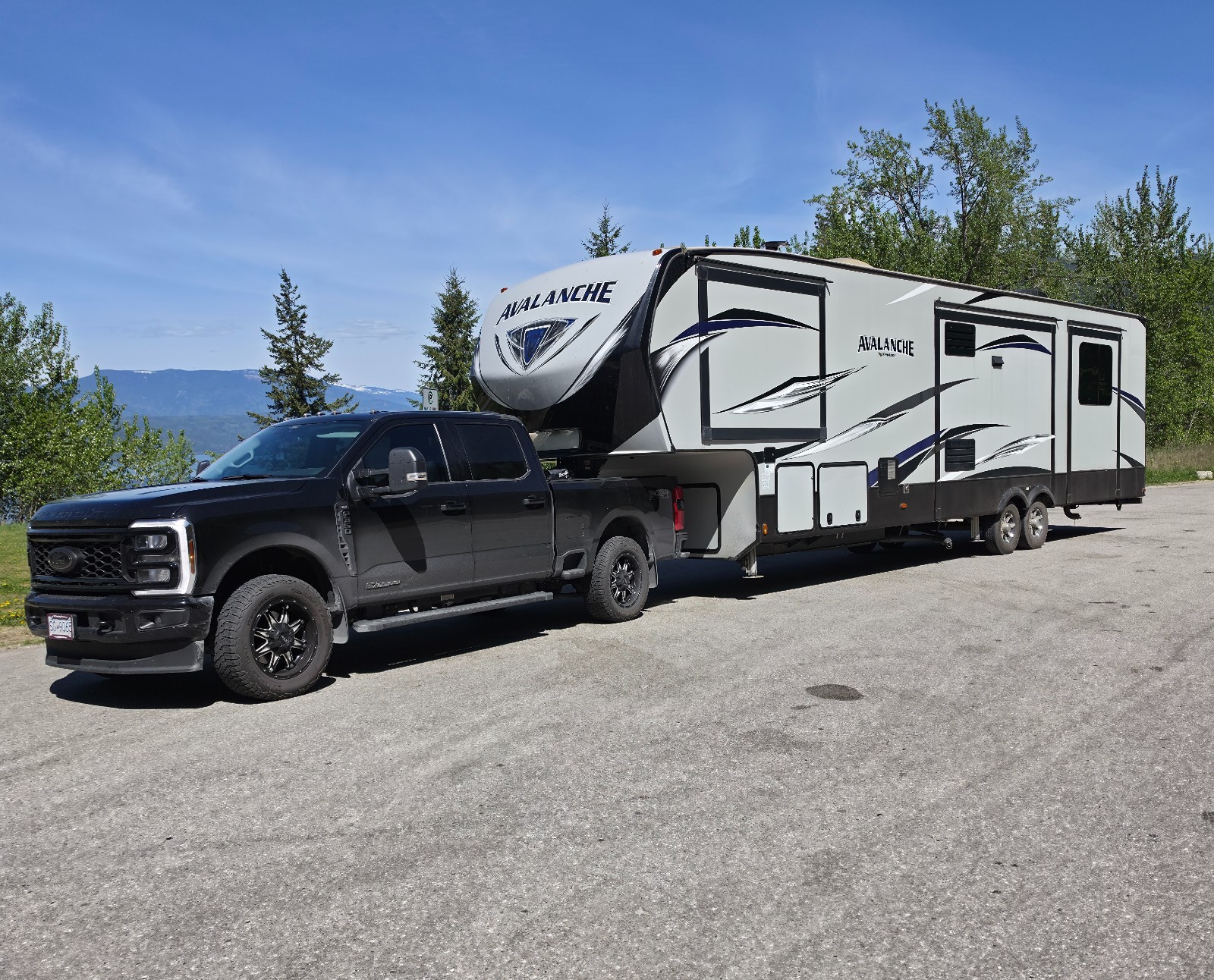
A new trailer is ready at the dealership. Your seasonal site opens Friday. Or the service center has called to say repairs are complete. The question is usually the same: when can the RV actually be moved? This guide to RV delivery timelines gives owners a practical way to plan transport without relying on guesswork or leaving every detail until the last minute.
RV delivery is not a parcel shipment with a guaranteed two-day window. A travel trailer or fifth wheel needs the right tow setup, a qualified driver, safe road conditions, a confirmed pickup, and a destination that is ready to receive it. On some routes, ferry schedules, mountain weather, dealer hours, and seasonal demand can all affect timing.
What sets an RV delivery timeline
The distance between pickup and drop-off matters, but it is only one part of the schedule. A short move can be delayed if the trailer is blocked in at storage or the receiving site does not allow arrivals until a certain time. A longer route may go smoothly when both locations are organized and the driver has a clear route and flexible access.
For most owners, the timeline has three stages: arranging the job, preparing the RV for pickup, and completing the actual transport. Treating these as separate steps makes the process much easier to manage.
Scheduling starts with the details
A transport provider needs the RV type, overall length, pickup and destination addresses, preferred dates, and the condition of the unit. Fifth wheels and travel trailers have different hookup requirements, and a trailer with low tires, a damaged jack, weak battery, or inoperative lights may need attention before it can safely leave.
Access details are just as useful. Let the transporter know about tight driveways, steep grades, gated storage compounds, construction, low branches, restricted site roads, or narrow campground lanes. A few clear photos can prevent a surprise on pickup day and help establish whether a standard delivery window is realistic.
If a dealer is involved, confirm that the paperwork is complete and that the RV has passed any required pre-delivery work. A trailer can be physically on the lot but still unavailable for release. That is a common reason delivery dates slip.
How far ahead should you book RV transport?
For a flexible local or regional move, booking one to two weeks ahead is often a sensible starting point. More notice is better when the date matters, the route is long, or the delivery involves a ferry crossing. If you are purchasing an RV from a dealer, request transport pricing as soon as you know the unit you want, not after you have signed and expect it at your site the next day.
Seasonal demand changes the answer. Spring brings dealership pickups and moves to campgrounds. Fall fills the calendar with winter storage and return deliveries. Long weekends, school breaks, and popular campground opening dates can also create pressure. During those periods, a few weeks of lead time gives you more scheduling options and reduces the chance that you will need to accept an inconvenient delivery date.
A faster turnaround can sometimes be possible, particularly when a driver has a return-haul opportunity on the right route. It depends on where the RV is located, where it needs to go, and whether pickup and destination access line up with the available schedule. It is worth asking, but owners should avoid building a major trip around a same-day request until transport is confirmed.
The real transit time is usually shorter than the planning time
Once the RV is picked up, the driving portion is normally straightforward to estimate. However, safe delivery does not mean running long days simply to meet an arbitrary clock. Traffic, roadwork, weather, fuel stops, required rest, and route conditions all have to be handled responsibly.
A point-to-point move within British Columbia or Alberta may be completed in a day when the route and access are simple. Longer western Canadian moves can take multiple days, particularly when the route crosses mountain passes or the delivery point is far from major corridors. Ferry service to Vancouver Island adds another layer, since sailing availability and terminal timing must be coordinated around the delivery plan.
The practical approach is to ask for a delivery window rather than demanding a minute-by-minute arrival promise. A professional transporter should communicate the expected pickup date, likely transit period, and any known factors that could change the schedule. That gives you enough certainty to organize your plans while leaving room for real road conditions.
A practical guide to RV delivery timelines before pickup
The fastest way to lose time is to have an RV that is not ready to roll. Before the scheduled pickup, make sure the trailer is accessible, keys are available, and all compartments are secured. Remove or properly stow loose outdoor furniture, bikes, portable steps, and anything that could shift or blow out on the road.
Check tire condition and pressure, wheel lug nuts, breakaway system, trailer lights, coupler or fifth-wheel pin area, landing gear, and battery charge. The transporter will perform their own connection and safety checks, but owner preparation helps prevent delays caused by an issue that could have been handled earlier.
At the destination, arrange for someone to be present if the site requires gates, directions, payment, or a decision about final placement. A campground or storage manager may have limited arrival hours. If the RV is going into a tight seasonal lot, identify the preferred orientation for slide-outs, utilities, and doors before delivery day. Repositioning a large trailer after it arrives can be difficult, especially when neighboring sites are occupied.
Factors that can change the delivery date
Some delays are avoidable. Others are simply part of moving a large towable RV safely across real roads. The best plans account for both.
Weather is the obvious factor, especially on mountain routes. High winds can make towing conditions unsafe, while snow, ice, heavy rain, wildfire closures, or reduced visibility may require a route change or a later departure. Waiting for a safer window protects the RV, the driver, and everyone sharing the road.
Ferries need special attention. Booking a crossing is not the same as guaranteeing that every part of the day will run on schedule. Terminal traffic, sailing changes, and load restrictions can affect timing. For Vancouver Island deliveries, build a buffer into campsite reservations, service appointments, and travel plans.
Mechanical readiness can also alter a schedule. If an RV has a tire issue, brake concern, lighting problem, or damage that makes it unsafe to transport, it should be addressed before departure. This may feel frustrating when you are eager to get the unit moved, but forcing a questionable trailer onto the road is not a shortcut.
Finally, pickup and drop-off availability matter. Dealers, repair facilities, storage compounds, and campgrounds all operate on their own hours. A driver arriving after a gate closes or before staff can release the RV may need to wait or reschedule. Confirming these details early is one of the simplest ways to keep the job moving.
Plan around a window, not a single deadline
If you need the RV at a campsite for a family weekend, arrange delivery before the day you plan to arrive. If the trailer is going to a service center, avoid booking the first appointment of the morning immediately after a long-distance move. Give yourself room for a weather delay, a ferry adjustment, or a site-access issue.
This buffer is not wasted time. It is what keeps a normal transport variable from becoming a costly disruption. Owners who plan one or two days of flexibility usually have a much smoother experience than those trying to coordinate closing dates, campground check-in, personal travel, and delivery within a narrow few-hour window.
Get a clearer delivery estimate
The most useful quote request is specific. Share the RV year, make, model, length, pickup and destination locations, preferred dates, site-access conditions, and whether a ferry crossing is required. Mention any deadline, but also say whether you have flexibility before or after it. That lets a provider give you an honest estimate instead of a vague promise.
At GoMax RV, clear information helps match the move to the right schedule and route, whether the job is a dealer pickup, a seasonal relocation, or transport to a service facility. Licensed, insured RV transport is about more than getting the trailer from one address to another. It is about planning the move so it arrives safely and without adding another problem to your week.
The best time to arrange delivery is when your plans are taking shape, not when every other commitment is already locked in. Give the move enough lead time, prepare the RV and destination properly, and leave a little room for the realities of the road. That is how delivery day stays a practical handoff instead of a last-minute scramble.
Comments are closed