

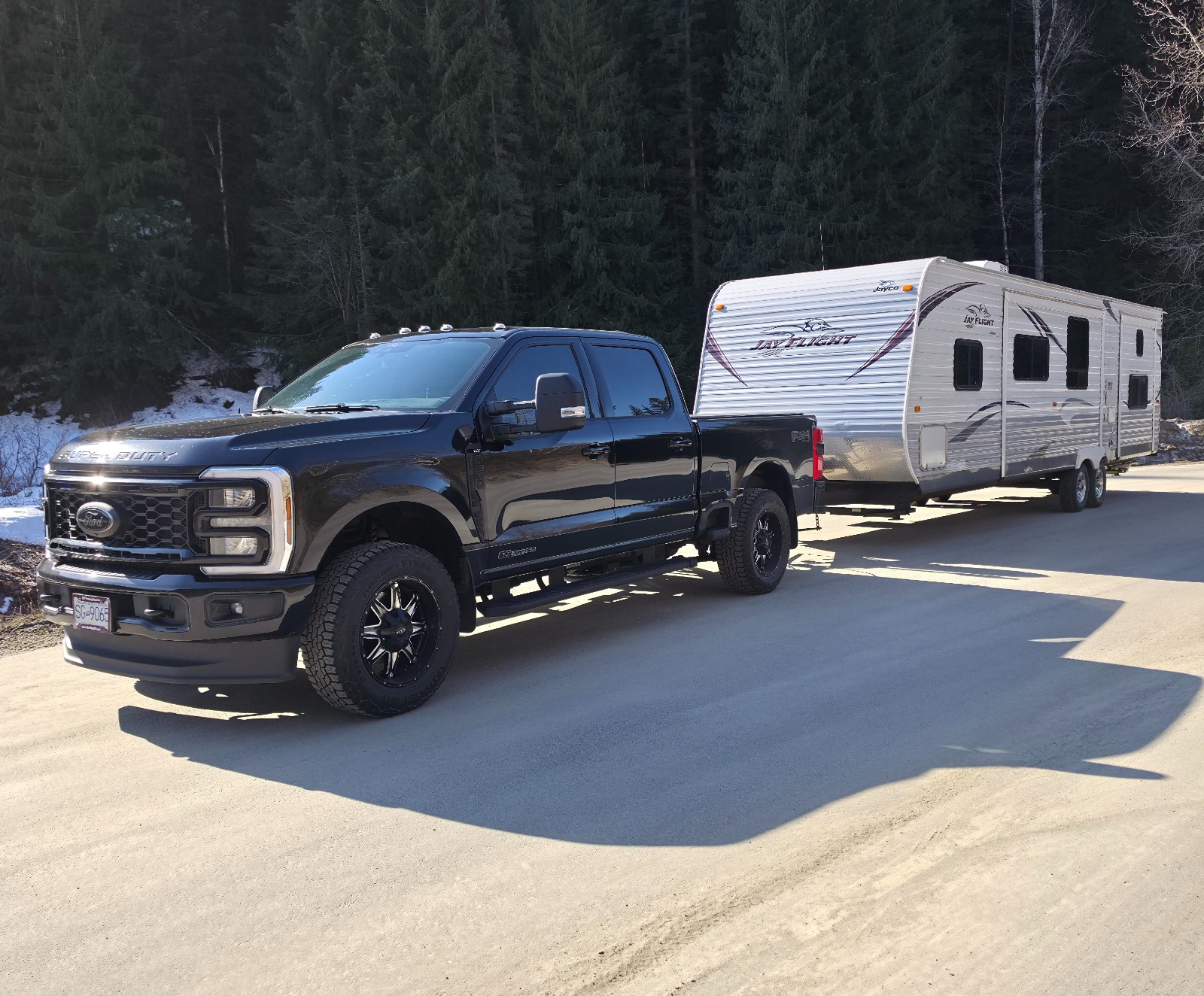
A trailer can be ready to move long before the move itself is ready to happen. The seasonal site may have a fixed opening date, the dealer may have limited pickup hours, or a service center may need the unit delivered before a booked appointment. Good RV transport scheduling brings those moving parts together early, so your travel trailer or fifth wheel gets where it needs to go without last-minute pressure.
For owners who do not want to buy, maintain, and drive a heavy-duty pickup, professional RV transport removes a major part of the job. But timing still matters. A realistic schedule protects your plans, gives the hauler room to account for road and weather conditions, and helps ensure that both pickup and delivery locations are actually ready.
Start RV transport scheduling before your dates are fixed
The best time to request transport is when you know the general moving window, not when every detail is finalized. A quote request can begin with the pickup city, delivery city, RV type, approximate length, and the dates you are considering. From there, the transport provider can identify what is practical and what may need adjustment.
A fixed date is helpful, but a flexible window is often better. If your trailer needs to arrive at a seasonal lot sometime during a three-day period, say so. That flexibility can make it easier to coordinate a return-haul opportunity or fit the move into an existing regional route. It may also reduce the cost compared with a rush move on one exact day.
This does not mean leaving your plans vague. It means separating the dates that truly cannot move – such as a service appointment, ferry reservation, campground access date, or possession date on a new RV – from the dates where you have some room. That distinction gives everyone a better chance of building a workable plan.
The details that determine your transport date
Distance is only one part of scheduling. A short move can take more coordination than a long highway route if access is tight or timing at either end is restricted. When requesting a quote, provide the practical information that affects the job.
The RV itself matters. A travel trailer and a fifth wheel require different hookup arrangements, and the overall length, condition, and any aftermarket equipment can affect planning. Towable RVs under 44 feet are generally straightforward to assess when accurate information is provided upfront. Include the make, model, year, length, hitch type, and any known issues that could affect safe movement.
Pickup and delivery access matter just as much. A storage compound may have office hours, gate codes, or a requirement that the owner be present. A residential driveway may require careful maneuvering around parked vehicles, trees, or narrow streets. At a campground, the destination site may not be available until after checkout time, even though you want the trailer moved that morning.
Give clear contact information for anyone who controls access at either end. If the unit is at a dealership, storage yard, repair facility, or seasonal property, confirm who can release it and who can receive it. A few phone calls before the transport date are far easier than having a driver arrive at a locked gate.
Weather, roads, and ferry timing
Western Canadian routes can change quickly with the season. Mountain conditions, construction, high winds, and ferry capacity can all affect the day a trailer moves. A professional schedule accounts for those realities rather than promising a timeline that only works if every condition is perfect.
Vancouver Island moves deserve special attention. Ferry travel is part of the transport plan, not an afterthought. The RV dimensions, sailing availability, terminal timing, and the distance from the terminal to the final destination all need to be considered. Ferry-inclusive coordination can save owners from trying to piece together separate arrangements around a fixed sailing.
Spring and fall are often busy because many owners are moving units into or out of seasonal sites. Dealer deliveries can also create demand around the start of camping season. If your move falls during a high-demand period, advance notice gives you more options. If the trailer must move quickly because of a service issue, explain the deadline clearly so the schedule can be assessed honestly.
Prepare the trailer before pickup day
A scheduled transport date only works if the RV is ready when the hauler arrives. Preparation is not complicated, but it should be completed before pickup time rather than while the driver waits.
Start by securing the interior. Close and latch cabinets, secure loose items, and make sure nothing can shift during travel. Retract slides, steps, awnings, antennas, and stabilizers. Disconnect shore power, water, sewer, and any site-installed accessories. If your trailer has a cover, remove it unless the transport provider has specifically confirmed otherwise.
Check that tires are properly inflated and in serviceable condition, and make sure the brakes, lights, breakaway system, hitch, and safety equipment are functional. Report any concern in advance. A worn tire, damaged jack, low battery, or brake issue may not automatically stop the move, but surprises on pickup day create delays and can change what is safely possible.
For a fifth wheel, make sure the front landing gear operates correctly and there is enough clearance to hitch safely. For a travel trailer, have the coupler accessible and remove locks only when the authorized transport provider is present. Keep keys, registration, insurance details, and any required access instructions organized in one place.
It is also smart to photograph the RV before pickup. Take clear photos of all sides, the roofline if practical, wheels, hitch area, and any existing cosmetic damage. This is a sensible record for any valuable asset being transported and helps everyone start with the same understanding of the unit’s condition.
Build time into pickup and delivery
Owners often focus on the driving time between two locations. The more useful question is how long the entire move takes from arrival at pickup to final placement at delivery. Hookup, inspection, access, loading out of a tight site, fuel stops, ferry procedures, and placement at the destination are all part of the work.
Do not schedule an RV service appointment too tightly against the expected arrival time. If the service center closes at 4 p.m., aiming to arrive at 3:55 p.m. leaves no margin for traffic, site access, or an unexpected delay. The same applies when a campground requires check-in, when a storage yard closes its gates, or when a family member needs to meet the driver.
At delivery, think about the final position before transport day. Is the pad level? Is there enough room to turn and back in? Are branches trimmed, gates open, and other equipment moved out of the way? If the site is difficult, send photos ahead of time. An experienced RV hauler can often spot access issues early and recommend a better approach.
Choose certainty or flexibility based on the move
Every schedule involves a trade-off. A firm date gives you predictability, which is valuable for dealer pickup, booked repairs, property possession, and campground reservations. A broader window can provide more routing flexibility and may be the better fit for a seasonal relocation or a move between storage locations.
The right choice depends on what happens if the date shifts. If you are flying in to meet the trailer, need it delivered before family arrives, or must clear a site by a specific deadline, communicate that clearly. If the unit can move any time next week, say that too. Straight information allows the transport provider to recommend the right plan instead of forcing a one-size-fits-all answer.
Licensed, insured RV transport is about more than having the right equipment. It is about knowing how to plan a move around real roads, real access constraints, and real deadlines. GoMax RV applies more than 20 years of towing experience to travel trailers and fifth wheels across British Columbia, Alberta, and other western routes.
When you are ready to move, gather the RV details, confirm access at both ends, and request a quote as early as you can. A well-planned transport date gives you the freedom to focus on where you want to camp, live, service, or store your RV – not on how you are going to get it there.
Comments are closed