

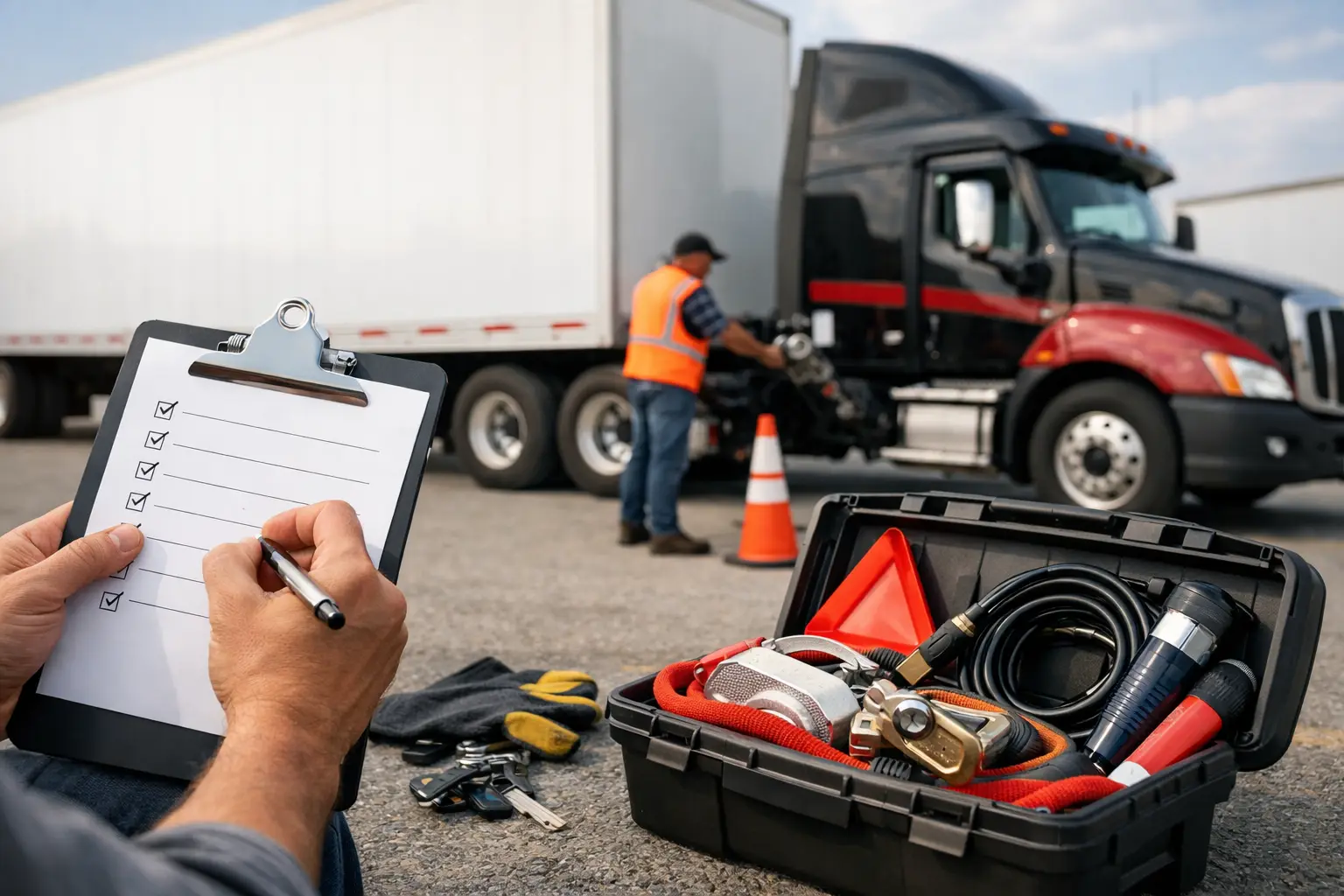
A professional RV delivery starts well before the pickup truck arrives. The best trailer delivery preparation essentials protect your unit, prevent avoidable delays, and give the driver a clear path from pickup to destination. Whether your travel trailer is leaving a dealership, storage yard, service center, or seasonal site, a little preparation makes a real difference.
This is not about making the trailer perfect. It is about making it road-ready, accessible, and safe to handle. A good transport company will confirm the key details with you, but the owner is still the best person to identify quirks, access issues, and equipment requirements before moving day.
Trailer Delivery Preparation Essentials Before Pickup
Start with the basics: the trailer must be legal and safe to move on public roads. Confirm that registration, insurance, and any required documentation are current. Keep relevant paperwork available and let the transport provider know in advance if there are special instructions for the unit, such as a nonstandard hitch, an electronic leveling system, or a battery disconnect that must remain on.
Your trailer should also be reasonably clean around the hitch, pin box, tongue jack, and breakaway cable. Dirt is normal. Heavy mud, ice buildup, or stored gear around these areas can slow down the hookup and make it harder to inspect the equipment properly.
If the trailer has been parked for an extended period, do not assume it is ready because it was fine when it was stored. Tires lose pressure, batteries drain, and small leaks or mechanical issues can develop without anyone noticing. A quick inspection before transport is far less stressful than dealing with a problem after the driver has arrived.
Check tires, brakes, lights, and bearings
Roadworthy running gear is the foundation of a safe move. Check tire pressure against the manufacturer’s specifications, inspect sidewalls for cracking, and look for uneven wear, bulges, or embedded debris. Tires that look acceptable at a campsite may not be suitable for a long highway run, particularly in hot weather or over mountain routes.
Test running lights, brake lights, turn signals, and marker lights. If one light is out, address it before pickup rather than expecting the driver to diagnose an electrical problem at the site. For a trailer that has been sitting for months, check the brake battery and breakaway system as well.
Wheel bearings are another area worth attention. If you are overdue for bearing service, have noticed heat at a hub, or have any doubt about the condition of the running gear, arrange service before delivery. A professional hauler can manage the transport, but they cannot make worn components dependable once the trailer is on the road.
Secure the exterior and roofline
Walk around the trailer slowly and look for anything that could move, open, or catch wind. Close and lock all exterior compartments, windows, doors, vents, and slide-out rooms. Retract awnings fully and make sure the arms are secured. A loose awning or unsecured compartment door can become a major problem at highway speed.
Remove or secure portable items such as bike racks, loose propane covers, outdoor mats, steps, satellite dishes, and decorative accessories. If you have solar panels, roof accessories, or a rear cargo system, tell the delivery provider. Those details affect clearance, overall length, and route planning.
Check the roof if it is safe to do so. Look for loose vent covers, damaged seals, or branches caught around air conditioners and antennas. You do not need to perform a full roof inspection before every move, but a visible issue is easier to address while the trailer is stationary.
Prepare the Interior for Road Movement
The inside of an RV experiences more vibration than many owners expect. Cabinets can open, drawers can slide, and heavy items can shift. A trailer that is carefully arranged for a seasonal site is not necessarily packed for a highway move.
Latch every cabinet, pantry door, drawer, and refrigerator door. Secure the television, microwave turntable, coffee maker, and any other loose appliance or countertop item. Take down wall-mounted items that are only lightly secured. Close blinds and make sure interior doors cannot swing freely.
Use common sense with weight. Heavy tools, canned goods, and outdoor equipment should be low, secured, and distributed sensibly. Avoid loading a large amount of cargo at the front or rear just before delivery. The trailer’s condition and balance matter, especially on longer routes or roads with grades and crosswinds.
Drain holding tanks when practical. Carrying full fresh, gray, or black tanks adds substantial weight and puts unnecessary stress on the trailer. There are exceptions, such as a unit being delivered directly to a site without water access, but that should be discussed ahead of time. For most moves, empty tanks are the safer choice.
Make the Pickup Site Easy to Access
A trailer may be ready for the road but still difficult to collect if access has not been planned. The driver needs room to back in, line up, connect, and pull out safely. This matters at homes, storage compounds, crowded campgrounds, dealerships, and rural properties with narrow gates.
Before the scheduled pickup, clear vehicles, garbage bins, patio furniture, firewood, and other obstacles from the route to the trailer. Confirm gate codes, site numbers, operating hours, and any rules for commercial access. If a storage facility requires proof of authorization, provide it before the driver arrives.
Low branches, tight turns, soft ground, and steep driveways should be disclosed early. These conditions do not always prevent delivery, but they may require a different pickup plan. Photos and clear measurements can be very helpful when access is questionable.
For fifth wheels, ensure the landing gear is operating and that the pin box area is clear. For travel trailers, make sure the coupler, safety chains, jack, and breakaway cable are accessible. If the trailer is blocked in or positioned nose-in against an obstacle, move it beforehand if possible.
Share Details That Affect the Quote and Route
Accurate information is part of trailer delivery preparation, not paperwork for its own sake. The driver needs the correct year, make, model, length, approximate weight, hitch type, pickup address, destination address, and preferred schedule. Do not estimate dimensions if you have the manufacturer’s information available.
Mention modifications and unusual features. Lift kits, extended racks, oversized air conditioners, rooftop cargo, low-hanging rear bumpers, and extra-wide steps can affect clearance. If your RV is close to 44 feet, say so clearly. A few feet can change the best route, available turn space, and ferry planning.
In British Columbia, island deliveries also require careful coordination. Ferry reservations, terminal requirements, and trailer length all affect timing and cost. The same is true for mountain routes, remote seasonal lots, and destinations with limited access. Giving those details early helps prevent a rushed decision on moving day.
It is also wise to tell the provider about any known issue, even if it seems minor. A stiff jack, weak battery, intermittent light, or leaking tire may be manageable with advance notice. Surprises at pickup are where schedules get disrupted.
Know What to Keep With You
Do not leave irreplaceable or high-value personal items in the trailer during transport. Keep passports, medication, jewelry, cash, critical documents, laptops, and sentimental items with you. This is sensible even when the RV is being handled by an insured, experienced professional.
Before handoff, take dated photos of the exterior, hitch area, tires, and major interior spaces. Photos create a clear record of the trailer’s condition and help both parties if there is a question later. Then provide a reliable phone number and make sure someone can answer during pickup and delivery windows.
At the destination, arrange for access in advance. Confirm the site is open, utilities or obstructions are not in the way, and the person receiving the trailer understands where it should be placed. Exact positioning depends on ground conditions, space, and safe turning room. A driver can place the trailer carefully, but no one should be expected to force a large RV into an unsafe spot.
A prepared trailer lets the delivery focus on what it should be: a safe, efficient move from one location to the next. If you are unsure about your unit, access, or route, raise the question when requesting a quote. GoMax RV can help you plan the practical details before moving day, when changes are easiest to make.
Comments are closed