

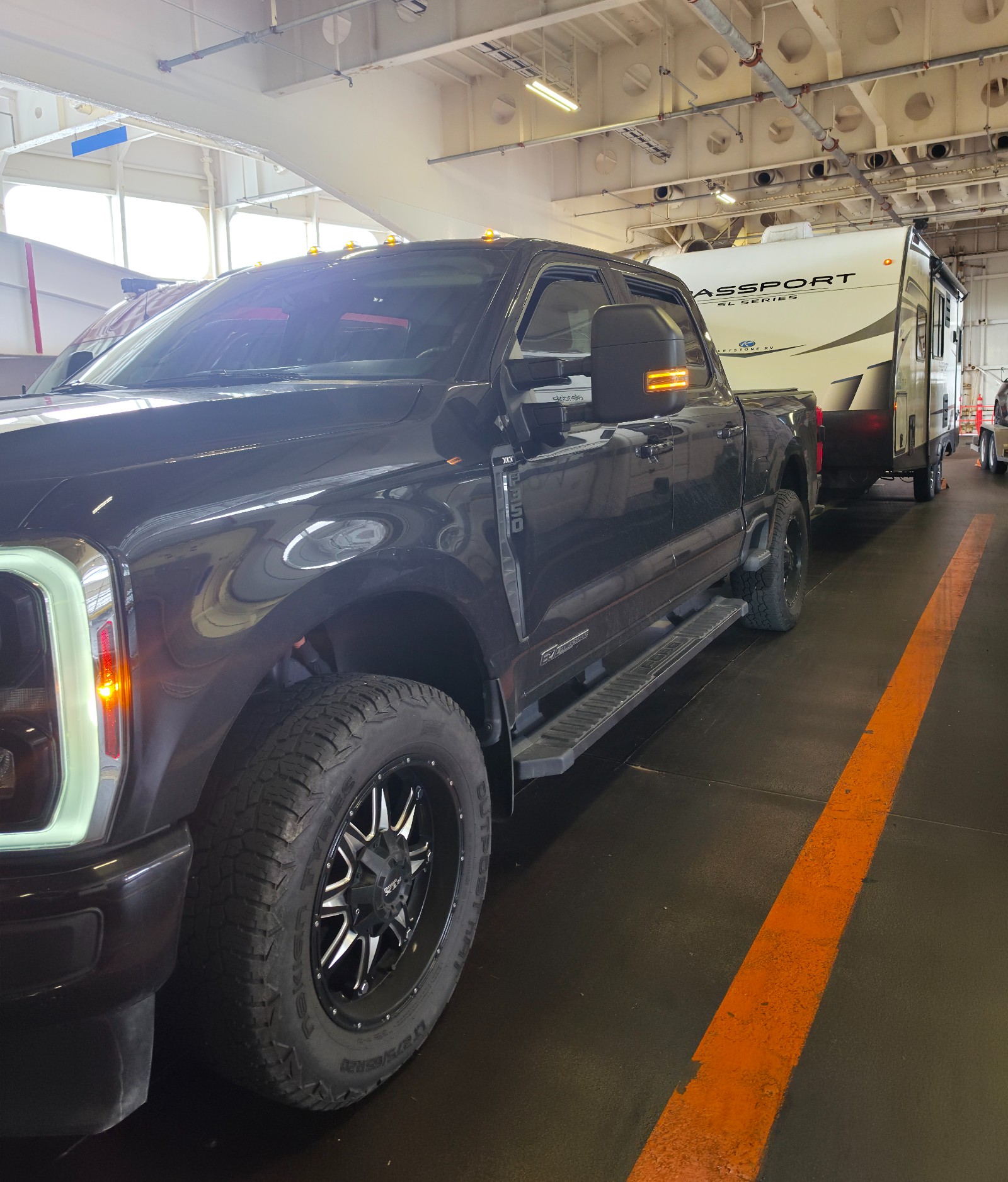
That first pickup day looks simple on paper. Sign the paperwork, get a walk-through, hitch up, and head out. In real life, dealer RV delivery vs self pickup usually comes down to one question: do you want your first trip with a new trailer to be a learning experience under pressure, or do you want it handled for you?
For many RV buyers, especially first-time owners, the dealership is not the hard part. The hard part is getting a large travel trailer or 5th wheel from the lot to your driveway, storage yard, campsite, or seasonal site without turning the day into a white-knuckle drive. The right choice depends on your tow setup, your confidence level, the route, and how you plan to use the RV after it arrives.
Dealer RV delivery vs self pickup: what really changes
The biggest difference is not just who moves the RV. It is who takes on the risk, time, and logistics.
With self pickup, you are responsible for arriving with the right truck, proper hitch equipment, brake controller, mirrors, payload capacity, and enough towing experience to handle the route home. You also need to be comfortable with turns, fuel stops, traffic, backing, lane changes, and crosswinds. If the RV is your first towable unit, that can be a lot to manage on day one.
With dealer delivery or professional transport, the RV is moved for you by someone set up to do the job. That means you can focus on the purchase, the walkthrough, and getting familiar with your unit instead of immediately taking on a long tow. For many owners, that is not a luxury. It is the practical option.
When self pickup makes sense
Self pickup can be the right call if you already own a suitable tow vehicle, know your numbers, and have real towing experience. If the dealership is close by and the route is simple, the cost savings may be worth it. Some buyers also prefer towing the unit themselves right away because they want hands-on experience from the start.
That said, self pickup works best when the setup is already in place. Not when you are rushing to buy mirrors, install a brake controller, or figure out whether your truck is actually rated for the trailer you just bought. A lot of problems start when people assume towing capacity tells the whole story. Payload, hitch weight, passengers, cargo, and the trailer’s loaded weight all matter.
There is also the simple issue of fatigue. A dealership orientation can take hours. By the time you finish paperwork, inspection, and final questions, you may already be mentally full. Starting your first tow after that is not always the smartest time to learn.
When dealer delivery is the better option
Dealer delivery tends to make the most sense when the RV is large, the route is long, or the owner does not want to buy a heavy-duty truck just to move the unit a few times a year. That is common with seasonal campers, first-time buyers, and owners who plan to leave the trailer parked for most of the season.
It is also a strong option when the route includes mountain highways, tight urban traffic, ferry coordination, or unfamiliar roads. Those details matter more than people think. A trailer that feels manageable on a flat, open highway can feel very different in wind, rain, steep grades, or congested areas.
Professional delivery also helps if your destination is a storage facility, campground, service center, or seasonal site where backing and placement matter. Getting the RV there is one part of the job. Getting it positioned properly is another.
Cost is not as simple as it looks
A lot of buyers look at dealer RV delivery vs self pickup and focus only on the delivery fee. That is understandable, but it is not the full math.
Self pickup may look cheaper until you add up hitch equipment, brake controller installation, fuel, extra insurance questions, your time, hotel stays if the unit is far away, and the cost of owning a truck capable of handling the trailer safely. If you are buying a larger travel trailer or 5th wheel and do not already have the right setup, self pickup can get expensive fast.
There is also the hidden cost of mistakes. A rushed turn, a poor lane change, or trouble backing into a narrow site can turn a money-saving plan into a repair bill. Even small damage is frustrating when the RV is brand new.
Professional delivery has an upfront price, but it can be more cost-efficient when you look at the total picture. That is especially true for owners who only need transport a few times a year and do not want the ongoing cost of owning and maintaining a tow vehicle for those occasional moves.
Safety matters more than pride
A lot of people can tow. Fewer people are truly comfortable towing a long, valuable RV in mixed conditions. There is no shame in that.
New owners sometimes feel they should pick up the RV themselves because it feels like part of ownership. But ownership is not about proving something on pickup day. It is about using the RV in a way that works for your life, your budget, and your comfort level.
If you are not confident towing a long trailer through traffic, over mountain passes, or into a campground with tight access, handing the transport to a licensed and insured professional is a sensible decision. It reduces stress and lowers the chance of damage at the exact moment you should be excited about your new RV.
That is also why many experienced owners use delivery. Not because they cannot tow, but because they know when it makes more sense not to.
The route should influence the decision
Distance changes everything. So does geography.
A short drive from a local dealer to your home is one thing. A several-hour route through hills, weather, or busy highway sections is another. If your destination includes ferry travel, remote access roads, or a seasonal site with limited maneuvering space, that should weigh heavily in the choice.
In Western Canada, for example, route planning is not just about mileage. Timing, road conditions, elevation changes, and terminal schedules can all affect transport. Buyers who have never handled a trailer in those conditions often underestimate how much work it is.
This is where a specialized RV transport company can bring real value. GoMax RV handles towable RV delivery for owners who want the unit moved safely without having to manage the haul themselves, and that is often the difference between a straightforward move and a stressful one.
What to ask before choosing
Before you decide, be honest about four things: your equipment, your experience, your route, and your actual plan for the RV after delivery.
If you already own the proper truck and hitch, tow often, and are picking up from a nearby dealership, self pickup may be perfectly reasonable. If you do not have the right setup, are buying your first larger unit, or plan to leave the RV in one place most of the year, dealer delivery is usually the smarter move.
It also helps to think beyond the first trip. Will you be moving the RV regularly, or do you mainly need it transported to a seasonal lot, storage location, or service appointment once in a while? Many owners realize they do not need to tow it themselves at all. They just need it moved professionally when required.
Which option is better?
There is no universal winner in dealer RV delivery vs self pickup. The better option is the one that matches your real situation, not the one that sounds cheapest or most independent.
If you have the right truck, the right experience, and an easy route, self pickup can work well. If you want to avoid buying a heavy-duty tow vehicle, skip the stress of a first-day tow, or make sure the RV gets where it needs to go without the usual headaches, dealer delivery is often the better choice.
Your first experience with a new RV should be about getting ready to use it, not worrying about every turn, stop, and backing attempt on the way home. If delivery gives you a safer, easier start, that is money well spent.
Comments are closed