

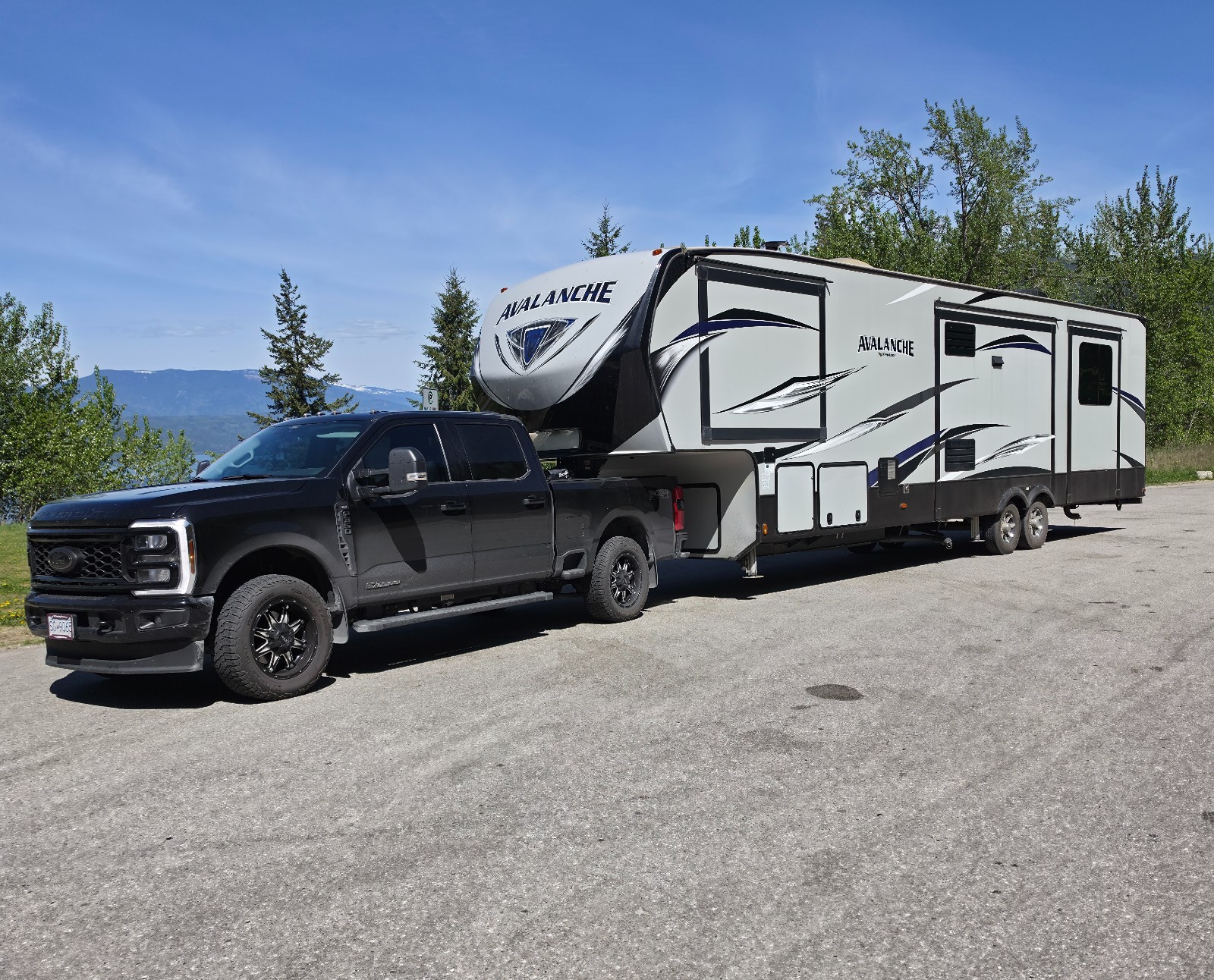
Buying a fifth wheel should feel exciting, not like the start of a towing problem. That is usually the moment people start looking for a 5th wheel travel trailer transport service – when they realize the RV is ready, but the truck, time, route planning, or comfort level is not.
For a lot of owners, the issue is not whether they could move the trailer themselves. It is whether it makes sense. A heavy-duty pickup is expensive to own if you only need it a few times a year. Towing a large RV through mountain passes, busy city traffic, ferry terminals, or tight campground roads is not something everyone wants to take on. If the goal is to get the unit from point A to point B safely, professional transport is often the cleaner solution.
When a 5th wheel travel trailer transport service makes sense
The most common situation is dealer delivery. You buy a unit, the paperwork is done, and then reality sets in. You either do not own a suitable tow vehicle, or you do not want your first trip to be a long haul home with a trailer you have never handled before. Having the RV delivered lets you focus on setup, orientation, and learning the unit without adding the stress of the drive.
Seasonal moves are another big reason people book transport. Many owners move their RV to a spring or summer site, leave it there, and then move it back for storage, winterizing, or service. In those cases, towing it yourself can turn into a full-day job or a full weekend lost to road time. A transport service keeps your schedule intact.
Service-related moves matter too. If a fifth wheel needs warranty work, repairs, or inspection, getting it to the dealer or shop can be a challenge. The same goes for relocation between provinces or cities. Not every move is a vacation. Sometimes you just need the trailer moved safely and on time.
What professional RV transport actually solves
The obvious benefit is that you do not need to own the right truck. That alone can save a lot of money. A capable tow vehicle, insurance, maintenance, fuel, and registration add up quickly, especially if you only move the RV a handful of times per year.
There is also the stress factor. Fifth wheels are not difficult in the hands of an experienced operator, but they do demand attention. Weight distribution, turning radius, braking distance, grades, weather, lane positioning, and fuel stops all matter. Add ferry schedules or unfamiliar roads, and a simple move gets complicated fast.
A professional transporter is there to deal with the logistics, not just the driving. That includes pickup and delivery timing, route planning, and the practical details that owners often underestimate. If the destination is a storage yard, dealership, campground, acreage, service center, or ferry terminal, access and scheduling need to be handled properly.
Choosing the right 5th wheel travel trailer transport service
Not every towing company is the right fit for a fifth wheel. This is a specialized type of transport, and that matters. The equipment has to match the job, but so does the experience.
Licensing and insurance should be clear from the start. That is not a bonus feature. It is basic due diligence. When someone is moving a high-value RV on public roads, you want to know they are operating legally and carrying the right coverage.
Experience with towable RVs also matters more than people think. A company can be good at hauling equipment or general trailers and still not be the right choice for a fifth wheel. RV transport is different because owners care about more than arrival. They care about condition, timing, access, and careful handling at both ends.
Regional familiarity is another practical advantage. In Western Canada, routes can include mountain highways, remote stretches, urban bottlenecks, and ferry coordination. A driver who already understands those conditions is less likely to be surprised by them.
What affects the cost
Transport pricing depends on several moving parts, and distance is only one of them. The size and weight of the trailer matter. So does the pickup point, delivery location, and how easy it is to access both.
A straightforward dealership pickup and delivery to an open lot is one thing. A move that involves tight access, ferry boarding, limited receiving hours, or a remote seasonal site is different. The more planning, time, and route coordination involved, the more that will affect the quote.
Timing can also play a role. Peak seasonal demand often means tighter schedules, especially in spring and early summer when owners are moving units out to campsites and parks. If you know your dates, booking earlier usually gives you better options.
Return-haul opportunities can sometimes reduce cost, depending on the route. If a carrier already has work in your direction, that can make scheduling more efficient. It is not always available, but it is worth asking about.
How to prepare your RV for transport
A good transport job starts before the unit moves. The RV should be ready for the road, even if you are not towing it yourself. That means making sure tires are in good condition, wheel lugs are properly torqued, lights and brakes are functional, and the battery is charged if needed for breakaway and systems.
Inside the trailer, secure loose items. Cabinet doors, shower doors, appliances, and anything that can shift should be locked down or padded. Exterior compartments should be latched properly. A transporter can move the unit, but they should not be expected to repack the contents of the RV because everything was left loose.
It also helps to confirm practical handoff details in advance. Make sure keys, gate codes, site numbers, contact names, and arrival instructions are clear. If the destination has limited access times or special parking rules, those details should be known before the truck arrives.
Why service area knowledge matters in Western Canada
This is one part owners often overlook until something goes wrong. Moving a fifth wheel across British Columbia, Alberta, Saskatchewan, or Manitoba is not just a matter of mileage. Terrain, weather, road conditions, and scheduling all influence how the job should be handled.
A route through the Lower Mainland is different from a run into the Interior. Vancouver Island moves bring ferry timing into the equation. Mountain routes demand experience with grades and changing conditions. Even a short move can become inefficient if the transporter is unfamiliar with local access restrictions, fuel planning, or delivery challenges.
That is why a specialized operator with real regional hauling experience brings value beyond the tow itself. They know where delays usually happen, what kind of timing is realistic, and how to avoid the common mistakes that cost owners time and money.
What a good transport experience should feel like
It should feel clear from the first conversation. You should know what information is needed for the quote, how scheduling works, and what is expected before pickup. If answers are vague or basic questions about insurance, route planning, or delivery conditions get brushed off, that is a warning sign.
A good transporter gives you confidence because they talk like someone who does this work regularly. They ask about trailer length, destination access, timing, and any special conditions. They do not treat your RV like just another trailer in a queue.
That is the difference between generic towing and dedicated RV transport. Companies like GoMax RV are built around that difference – moving towable RVs with the kind of practical experience owners actually need when the trailer is large, valuable, and not something they want to risk on a casual haul.
If your fifth wheel needs to get from a dealer, home, storage yard, service center, or seasonal site to its next stop, the right move is the one that gets it there safely without turning your schedule upside down. Sometimes the smartest part of RV ownership is knowing when not to tow it yourself.
Comments are closed